The Hawaiian Shirt
The Hawaiian shirt, is a style of dress shirt originating in Hawaii, also called the aloha shirt (Hawaiian: palaka aloha). They are collared and buttoned dress shirts, usually short-sleeved and made from printed fabric. They are traditionally worn untucked, but can be worn tucked into the waist of trousers. They are worn casually or as informal business attire in Hawaii. I’ve pulled together a collection of possibly vintage ones, to help tell the story of their remarkable popularity.
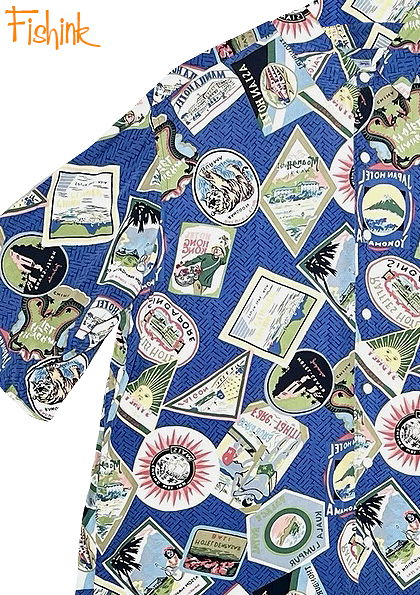
According to some sources, the origin of aloha shirts can be traced to the 1920s or the early 1930s, when the Honolulu-based dry goods store “Musa-Shiya the Shirtmaker” under the proprietorship of Kōichirō Miyamoto, started making shirts out of colorful Japanese prints.
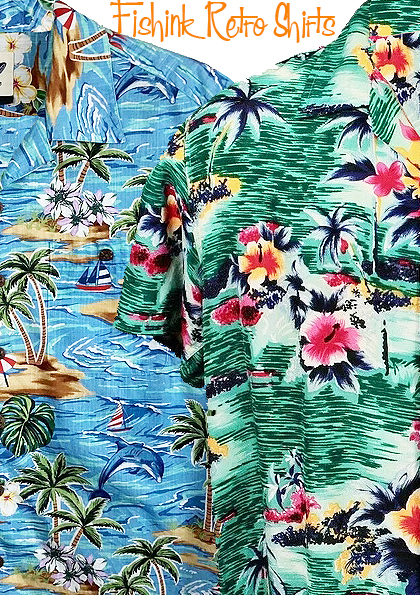
It has also been contended that the aloha shirt was devised in the early 1930s by Chinese merchant Ellery Chun of “King-Smith Clothiers and Dry Goods”, a store in Waikiki. Although this claim has been described as a myth reinforced by repeated telling, Chun may have been the first to mass-produce or to maintain the ready-to-wear in stock to be sold off the shelf.

The name “aloha shirt” appeared later. By 1935 and 1936, the word aloha was being attached to various sorts of Hawaiian products, so calling the garments “aloha shirts” was hardly original. However, Ellery Chun is sometimes credited for coining the term, perhaps in 1933; Chun’s store reportedly carried window signs that said “aloha shirts”.
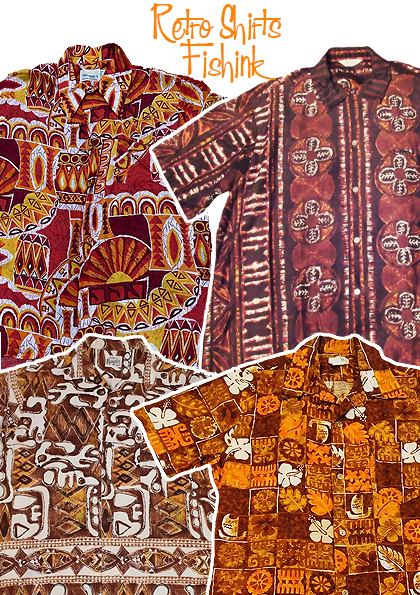
Before the arrival of woven fabrics from China, Japan and the West, native Hawaiians created their clothing from native plants and trees. Men wore a malo, or loin cloth, made of tapa cloth (or Barkcloth), which was fabricated from the inner bark of wauke trees. Tapa material was tough, durable and versatile. It was great for clothing and also made an excellent floor covering. Because it was made from plants and had a relatively flat surface, it was also easy to decorate. Throughout Polynesia, tapa cloth was the artist’s canvas and people hand-painted their tapa creations with beautiful colors and exquisite designs, drawing inspiration from the world around them.
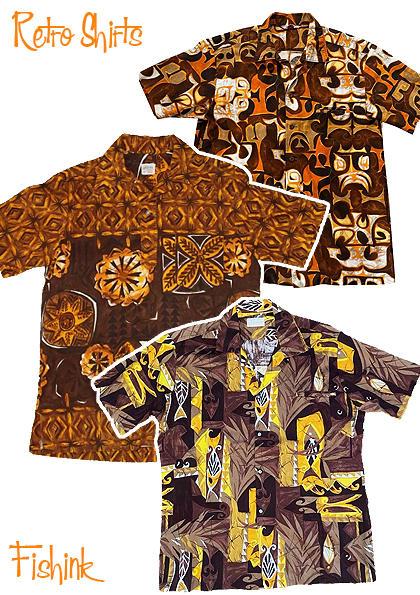
“Tiki Paradise” draws inspiration from traditional Hawaiian tiki culture. The shirt features intricately designed tiki masks and symbols, evoking the spirit of island festivities, like those above.
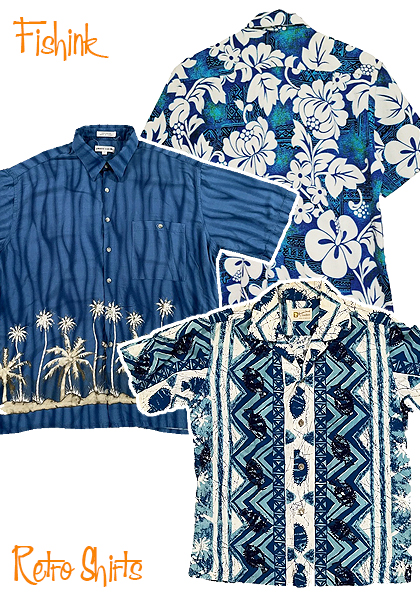

It wasn’t until the mid-1930s that Hawaiian clothing manufacturers decided to produce cloth that was uniquely Hawaiian in design. Watumull’s East India Store led the way by commissioning artist Elsie Das to create fifteen floral designs, leading the way to what we now recognize as a Hawaiian print. Her beautiful hand-painted designs were sent to Japan where they were printed by hand onto raw silk and turned into clothing.

According to Hawaiian fabric designer Elsie Das, a Japanese manufacturer once printed a set of her floral designs on heavy satin by mistake. “These started a vogue in Hollywood. Ginger Rogers, Janet Gaynor and other stars bought bolts of the stuff and had it made into ‘seductive gowns.’ The result was an epidemic of Hawaiian designs, with hibiscus and ginger breaking out on table cloths, napkins and scarves all over the country.” “Elsie Das, Artist Designer,” an article by William Davenport in Paradise of the Pacific, in 1963.

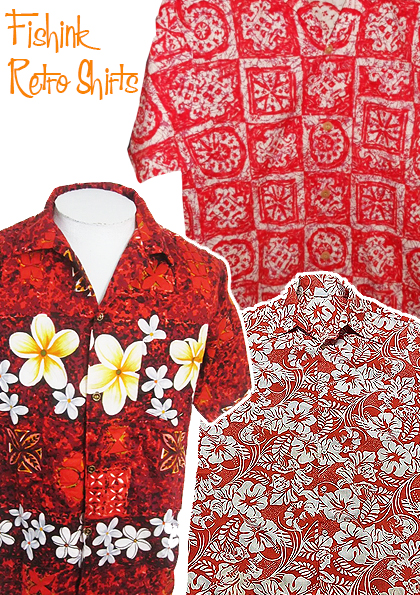

Like all great trends, once Hollywood was involved, movie stars, crooners and politicians did a fine job of promoting Hawaiian clothing, bringing the colorful designs into the mainstream. Montgomery Cliff Burt Lancaster, Ernest Borgnine and Frank Sinatra all wore beautiful Hawaiian shirts in the movie From Here to Eternity. Bing Crosby sported his unique combination of Hawaiian shirt and porkpie hat and Betty Grable did a promo pin-up shot wearing a gorgeous Hawaiian-style swimsuit in the 1940s.

Ross Sutherland was a men’s clothing store in Hawaii with several branches – one in Waikiki, one at Ala Moana and one at Kahala Mall and possibly on the neighbour islands. They closed in the 1990’s. I don’t think they manufactured shirts. I think they purchased shirts and added their label, but in that way they covered a large range of patterns. Other brands like Reyn Spooner helped popularize the shirt from the 1940’s and are still going today.

More designs were also produced with an obviously American slant to cater for the needs of the tourist trade. Cadillacs, surf boards and other memorabilia all helped to connect the Aloha shirt with the largely growing U.S.A and world market demand.


In the 1950s, manufacturers began adding the magical phrase “Made in Hawaii” to their Aloha print garment labels. (The idea allegedly came from a trade commissioner from Los Angeles during a visit to Hawaii in 1950.)
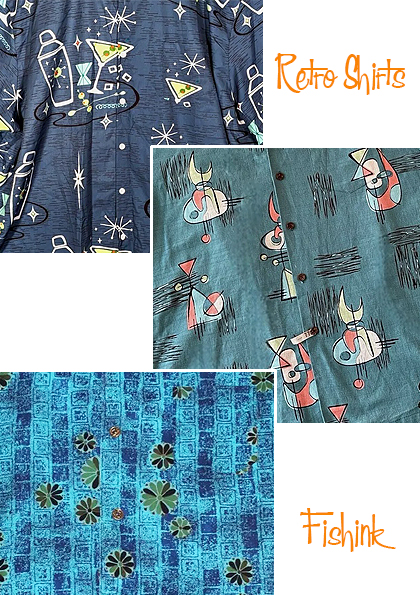
This new label increased the value and desirability of authentic Hawaiian shirts and dresses on the mainland and across the world. “Made in Hawaii” allowed true Aloha wear to stand out in a market that was being flooded by cheap imitations and mail order garments.
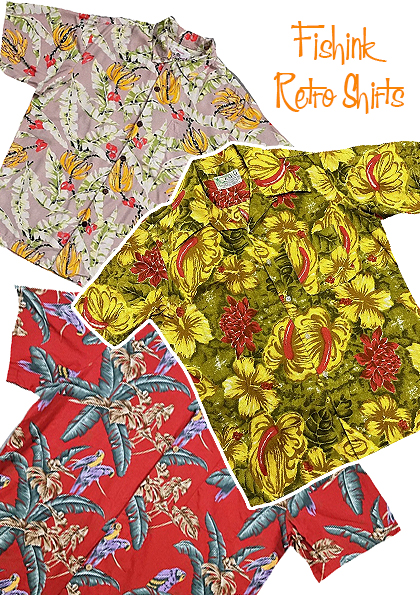
The first annual Aloha Week festival was held in 1947. By 1948’s celebration, the local residents were enthusiastically wearing Hawaiian shirts and dresses to help promote local products. The Hawaiian shirt soon became a symbol of Hawaiian industry and pride.

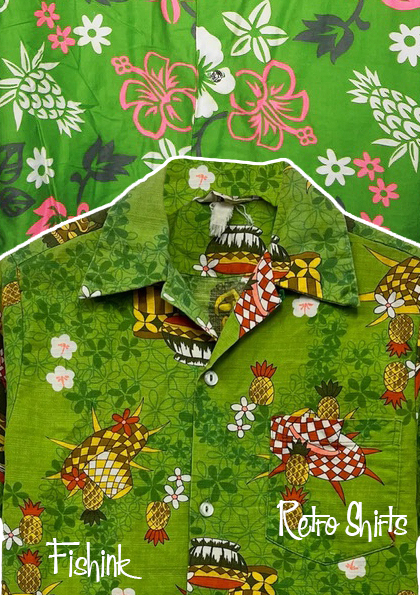
Even today, after more than 50 years, Aloha Week is still going strong throughout the islands. It’s a great excuse to dress up in your favorite Aloha wear, enjoy “ono Hawaiian kine grinds” (local cuisine), and immerse yourself in the music and arts of the islands.
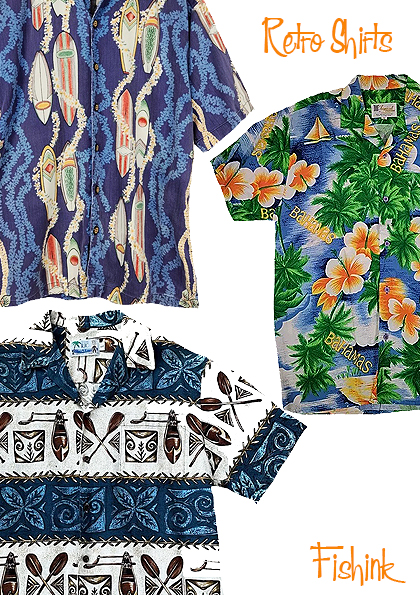
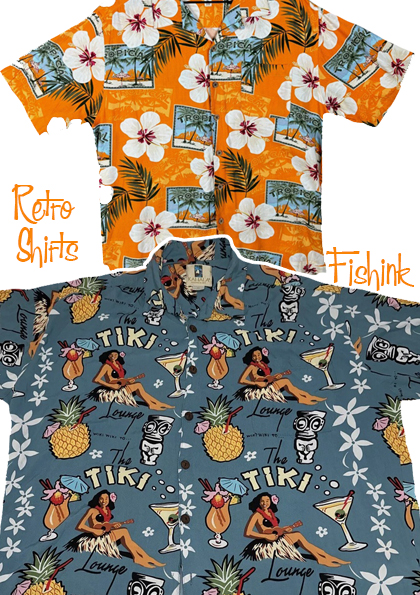
Contemporary brands like Next and Superdry still feature numerous Hawaiian shirts in their yearly collections.
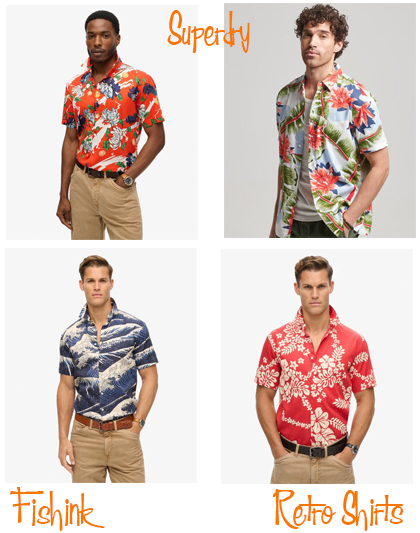
I think this classic shirt design is very much here to stay. However you wear yours.. I hope you enjoy it’s historical sunny references.


 fishinkblog.com
I love this article and I’m so excited that you linked to my blog post about Elsie Das! I’ve been a fan of Fishink for years. Thanks for all the mid-century print design wonderfulness!
-Ann Wilson
Aww how lovely to hear from you and I loved your article too. Thanks Ann for saying hi and being a follower already . Much obliged Craig