Fishink Returns !!
Hey there one and all. I trust this finds you well.
I’m back from a wonderful two week break. The first spent in Edinburgh’s fine city
and travelling a little up the coast and the second spent on Colonsay Island,
situated off the West coast of Scotland. More to show and tell over the next couple of days.
All I can say is that there will be none of this…

or this…

Instead there will be more of this…

and this…

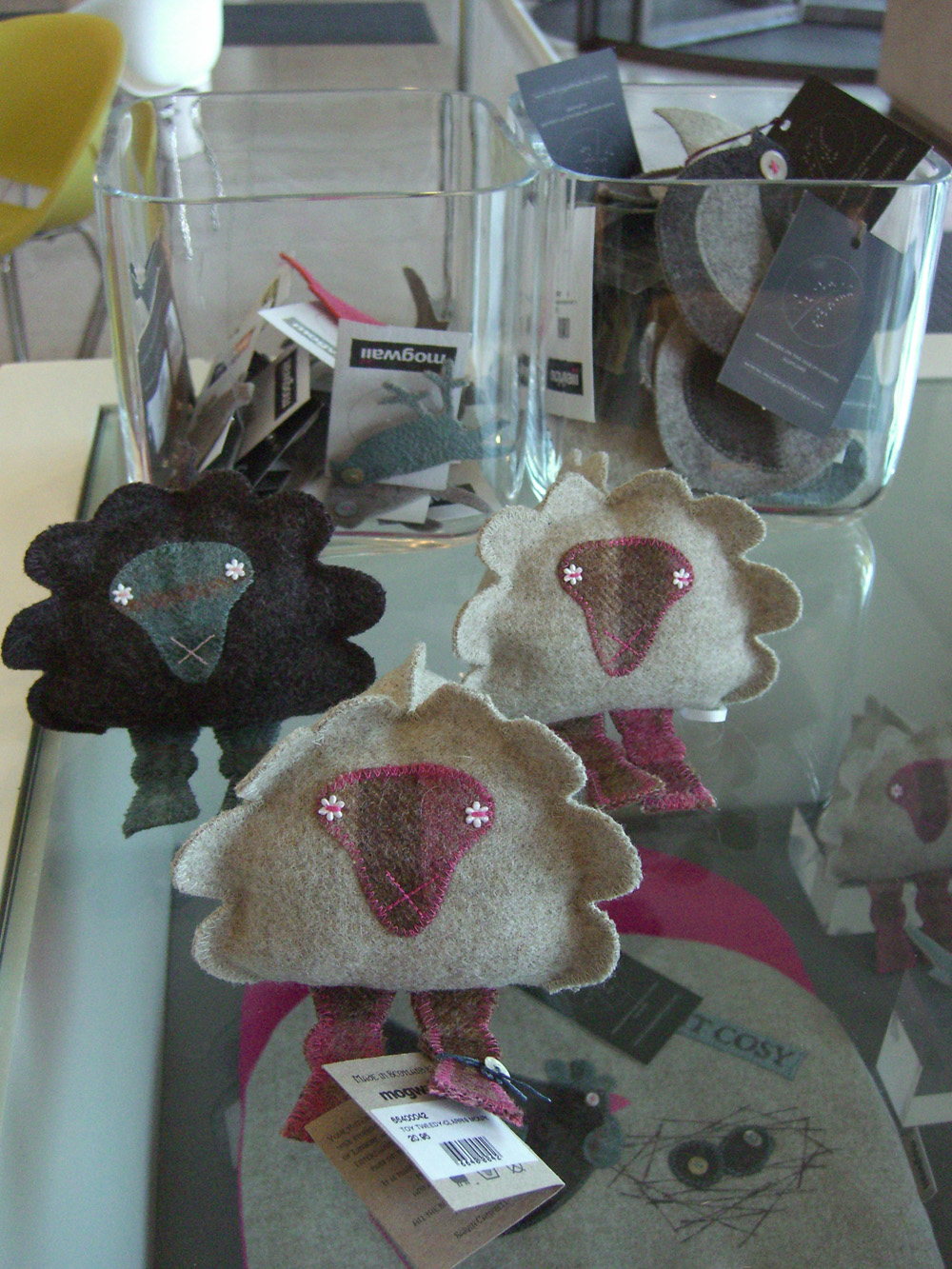
oh and a little bit of this too.
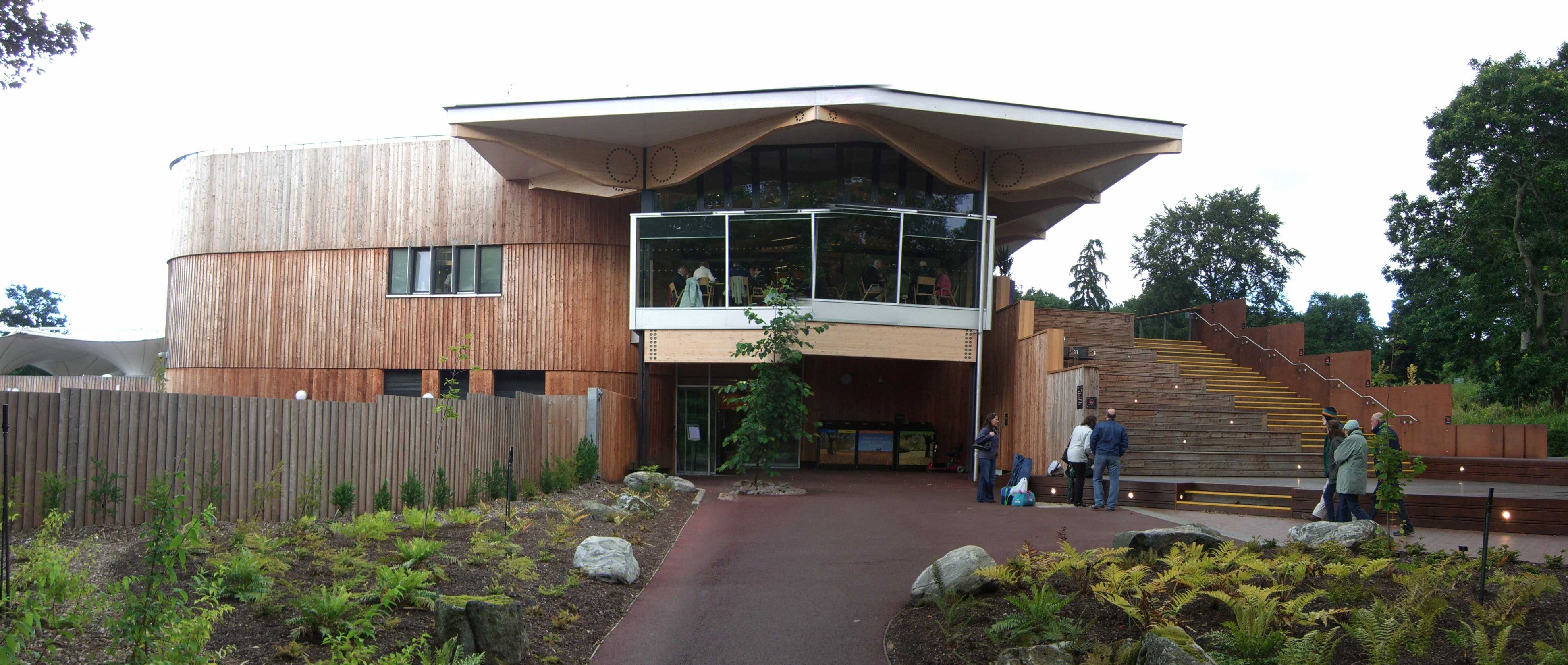
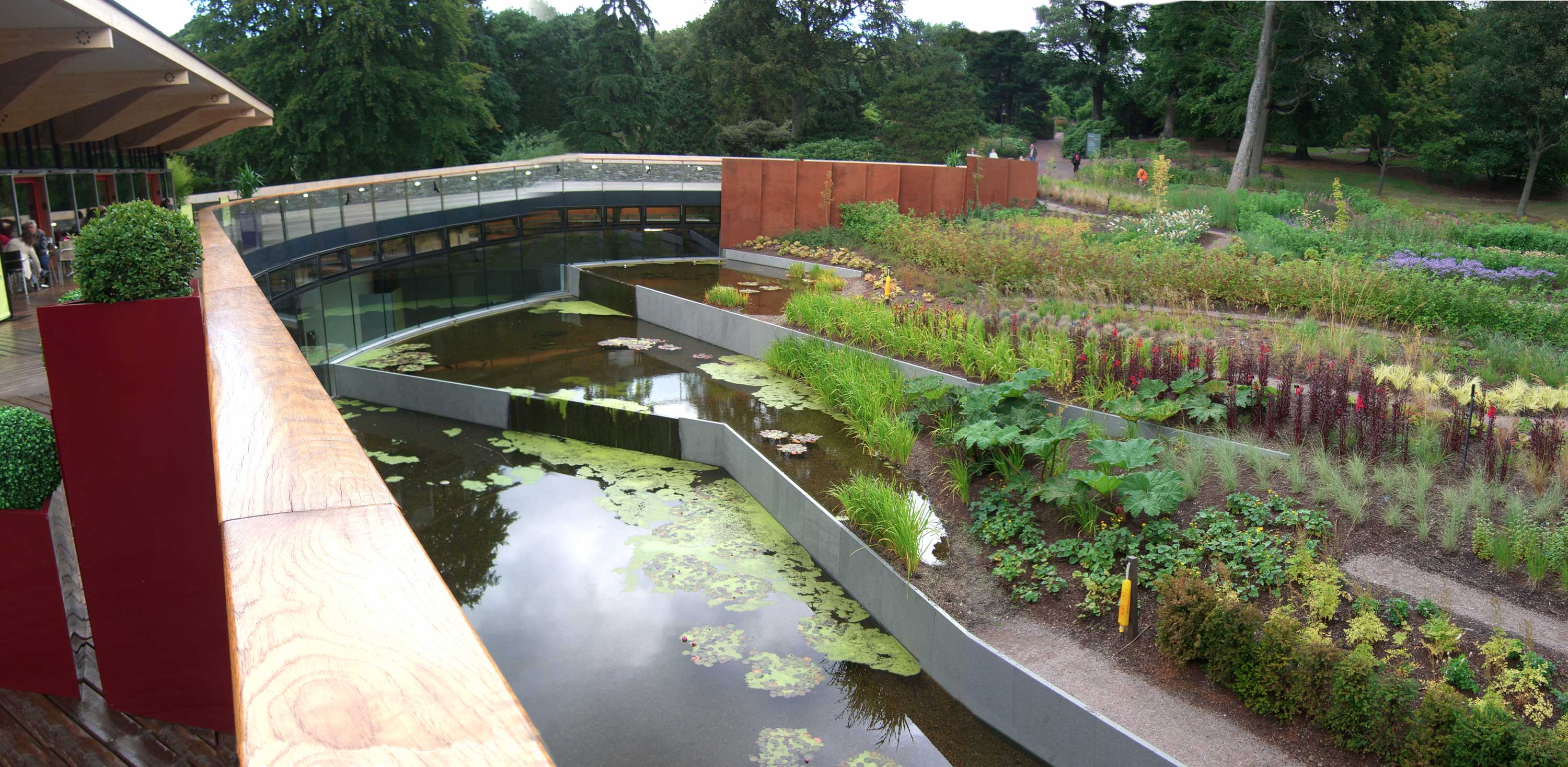
The Royal Botanic Garden Edinburgh

The history of the Royal Botanic Garden Edinburgh (RBGE) dates back to 1670 when it began as
Scotland’s first physic garden on a patch of ground at Holyrood Park no bigger than a tennis court.
In a turbulent age when Scotland was impoverished by centuries of civil war and both Cromwell
and bubonic plague had left their mark on the capital city, Edinburgh still managed to produce the skills,
resources and determination to create one of Britain’s first botanic gardens.
Two adventurous doctors, Robert Sibbald and Andrew Balfour, who met in France
after travelling widely in Europe, leased their first plot near Holyrood Abbey
with the help of local physicians prepared to pay
for the cost of the “culture and importation of foreign plants”.
The collection of plants expanded with the British Empire. From a site at the head of the Nor’ Loch,
now the site of Waverley Station, the Garden relocated out of the city centre in 1763
to a ‘green field’ site on the ancient high road to Leith.
The final move to Inverleith in 1820 took three years and a lot of ingenuity
to deliver the entire collection of plants and mature trees using transplanting machines invented
by the Curator, William McNab.
As the Garden grew,gaining the grounds of Inverleith House for the arboretum and the
former territory of the Caledonian Horticultural Society for the Rock Garden,
so did the wealth of plants collected by Scottish plant hunters
in the 19th and early 20th centuries. In a partnership between botanist and gardener,
the plant hunter George Forrest introduced more than 10,000 specimens between 1905 and 1932
with the support of the then Regius Keepers Isaac Bayley Balfour and William Wright Smith.
Taken from the site about the Botanics here.
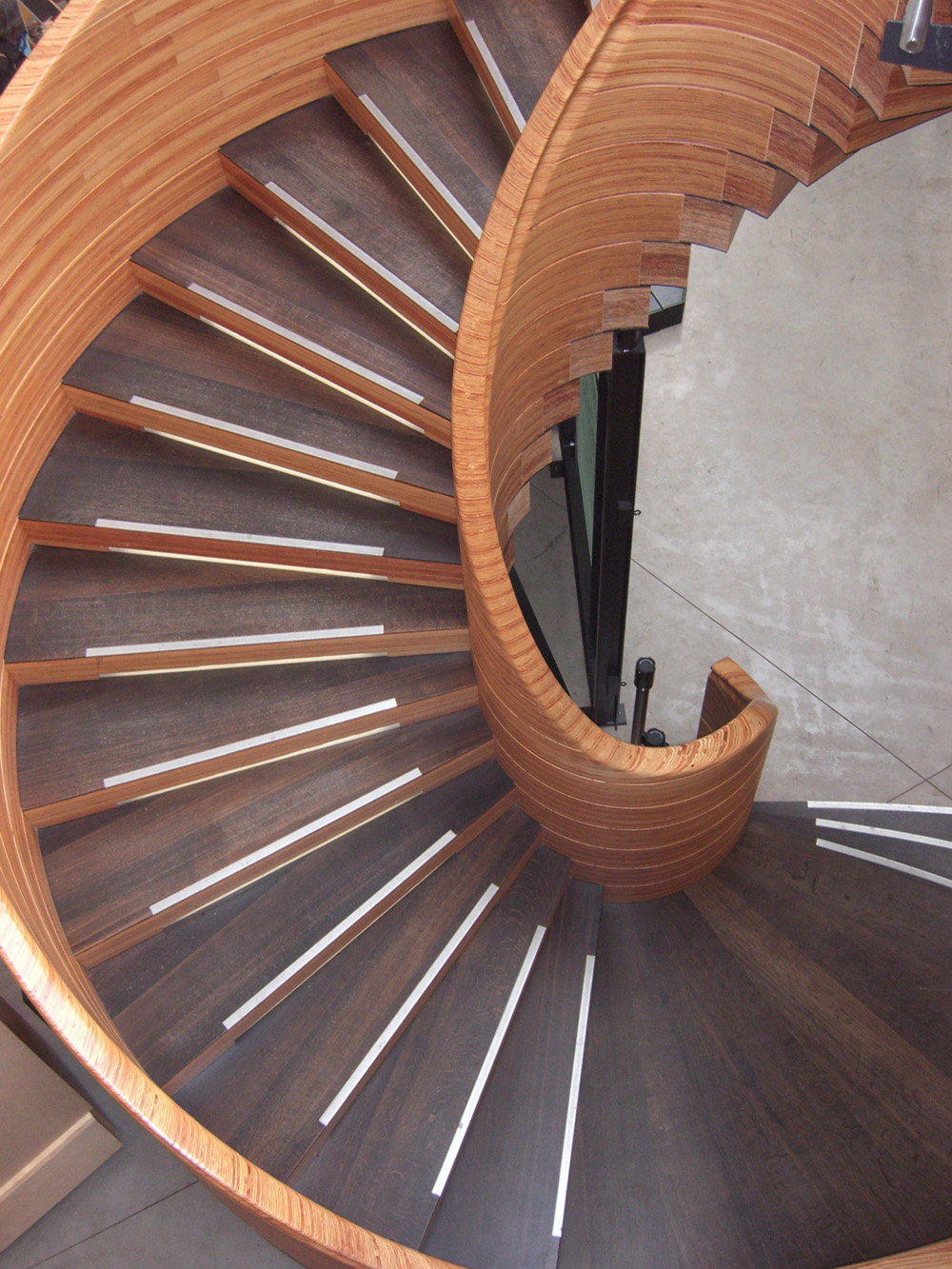
Beautiful staircase inside.

Inlaid wooden panel.
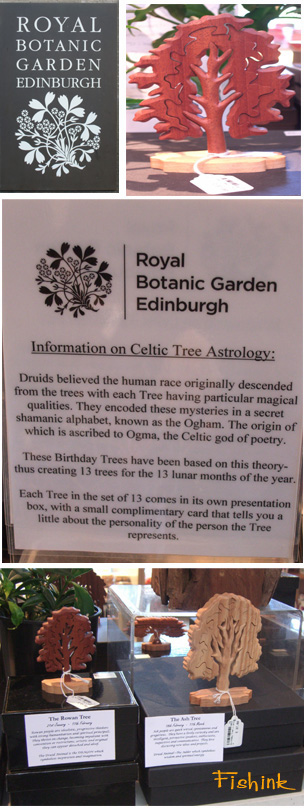
This also made me smile that I came across in an exhibition.


A Flowering shrub… you may think… but upon closer inspection…
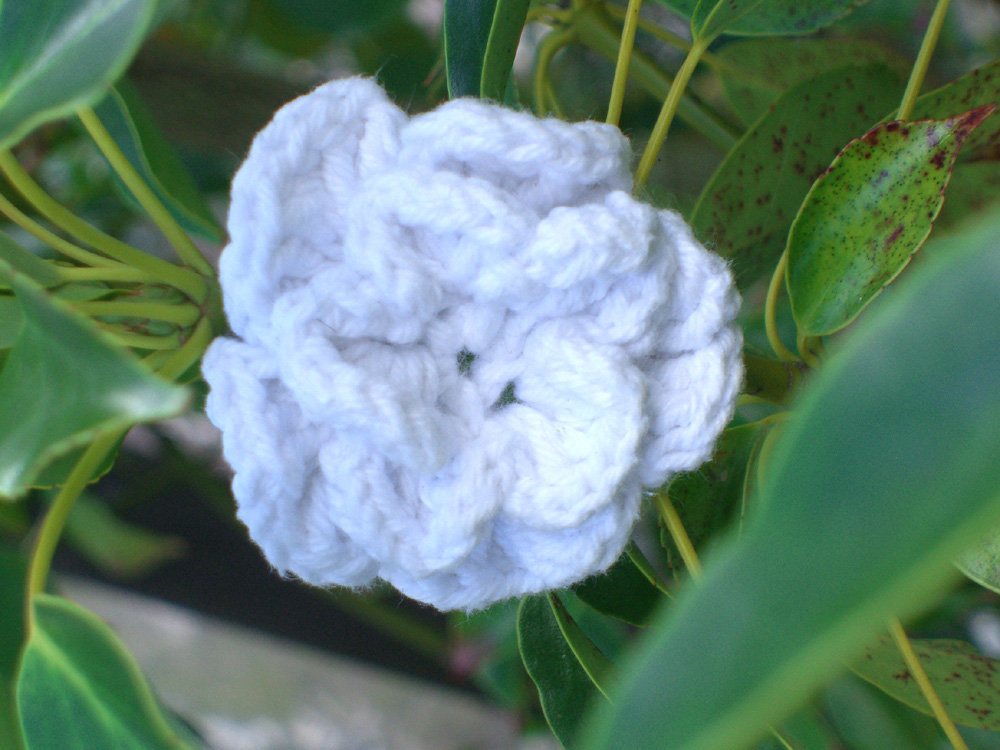
and a brief explanation.

Whoever said Botanists don’t have a sense of humour !
Short Break
Hello to one and all,
Just to let you know, I’m going to have a two week break from the land of blogging.
Look forward to catching up with you all mid september, have a great time.
Craig

Don’t judge a book by it’s cover Aubrey Beardsley !
Before the 1800’s books were often made with a cover of wood, leather or even gold
in order to protect the pages inside. It wasn’t until cloth and paper were used that the
book cover takes the form that we recognise today. Aubrey Beardsley (1872 –1898 )
friend to the likes of Oscar Wilde and James A McNeill Whistler, was not only a
huge contributor to the Art Nouveau movement, but he was also instrumental in increasing
the desire to own and recognise books. His wonderfully ornamental and
often erotic styles of artwork, adorned a variety of covers for numerous desirable books.

As more writers and publishers emerged during the early 1900s, publishers realized that cover design,
in addition to identifying the subject matter, could actually help push the sales of a book.
Like this similar cover designed by Theodore Brown (1899). More similar examples here.
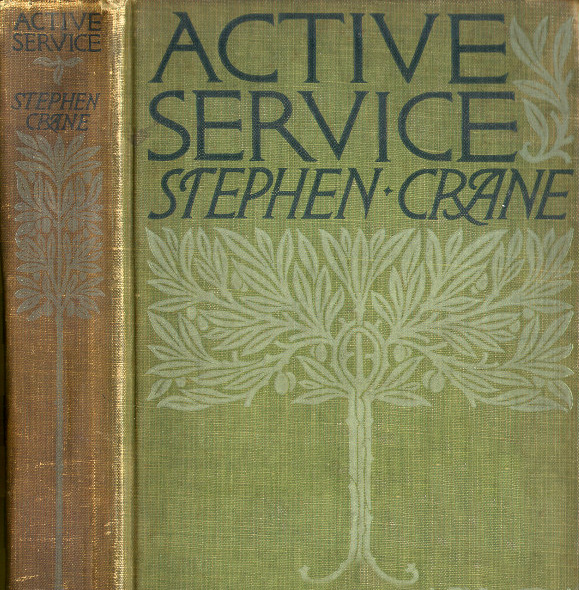
The dust jacket came into play around the 1820’s and was used primarily to protect the cover.
They generally just duplicated the design of the cover, and were almost always discarded immediately
as packaging. For this reason, an 1800s book with a dust jacket can today fetch ten or twenty times
the price of one without. Mass production techniques in the early 1900’s made the
production of fancy hard covers more expensive.
Since the 1930’s, the dust jacket became more decorative and collectable,
advertising the nature of the book and introducing the work of illustrators to the literary world.
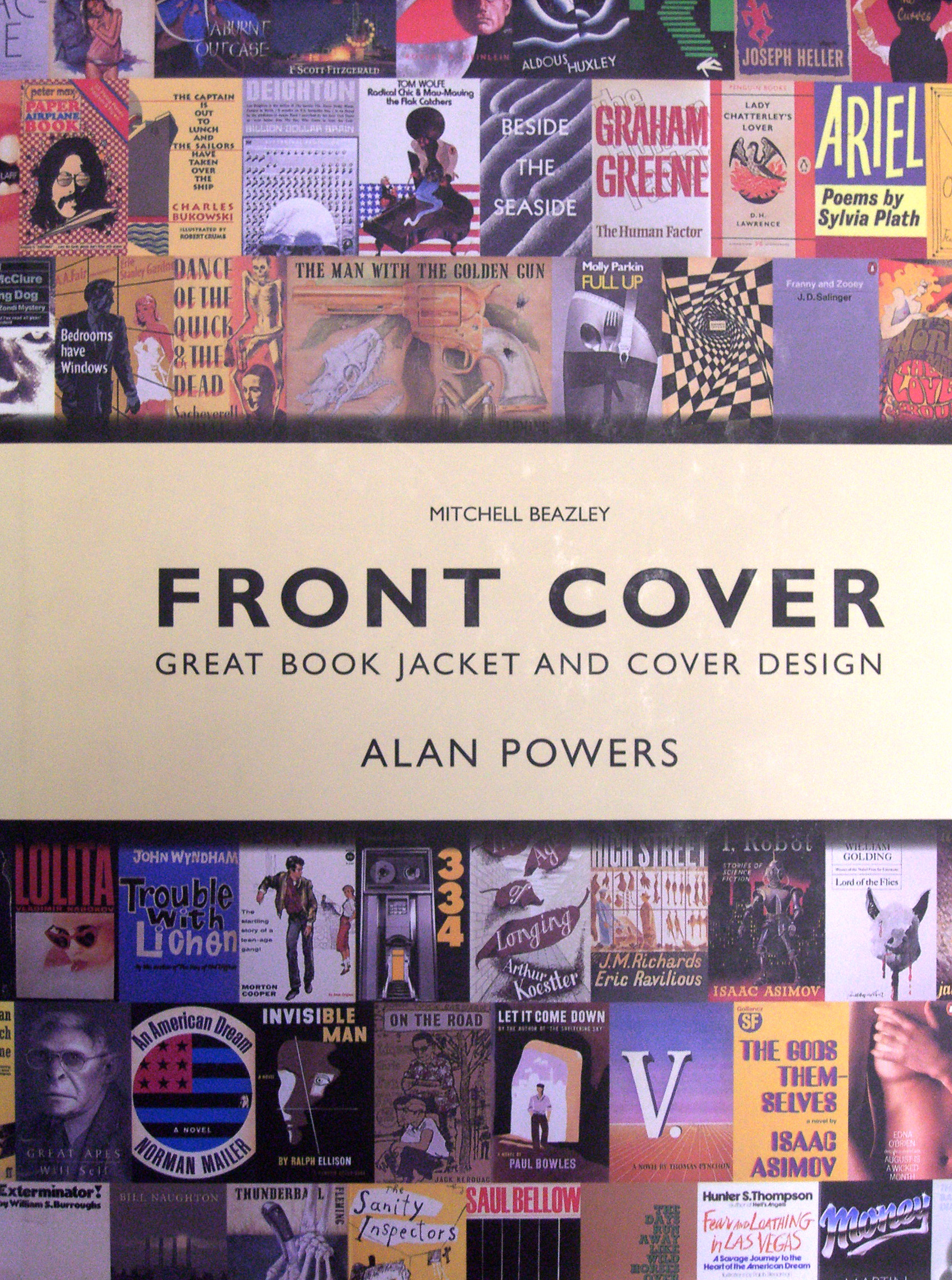
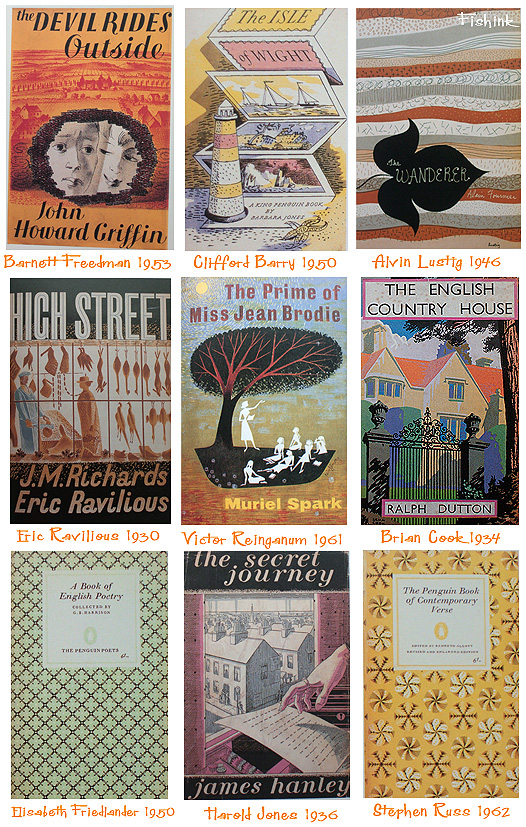
Front Cover is a great history of the book cover explained through illustration.
Here are a few of my favourites included within.
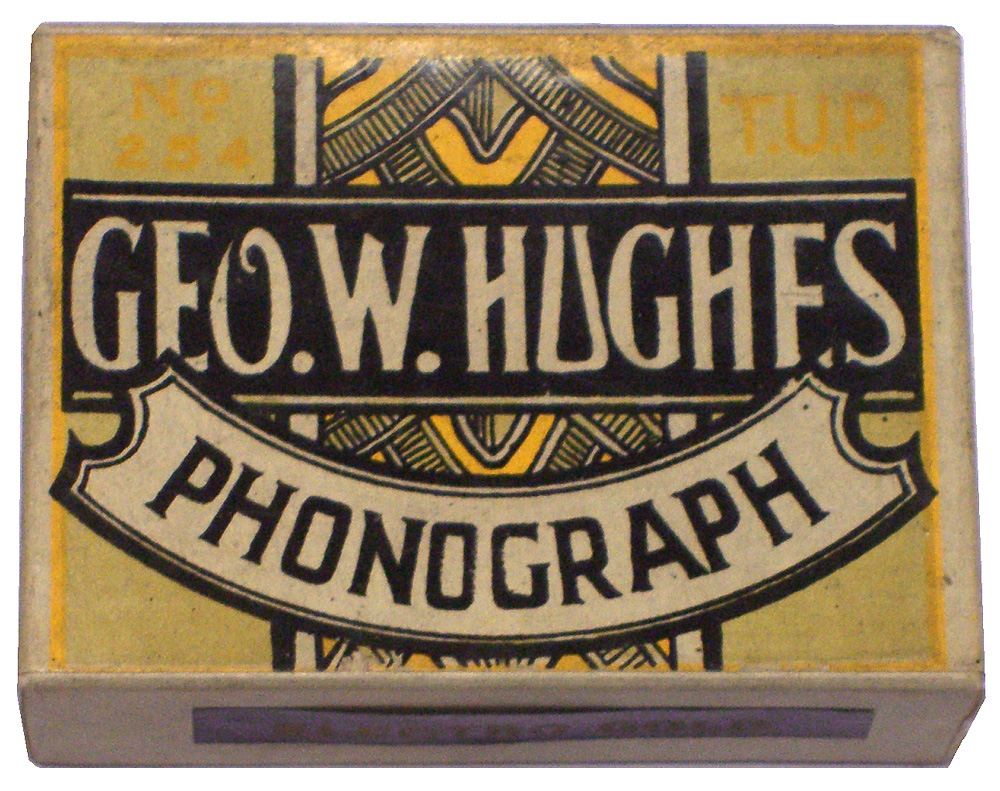
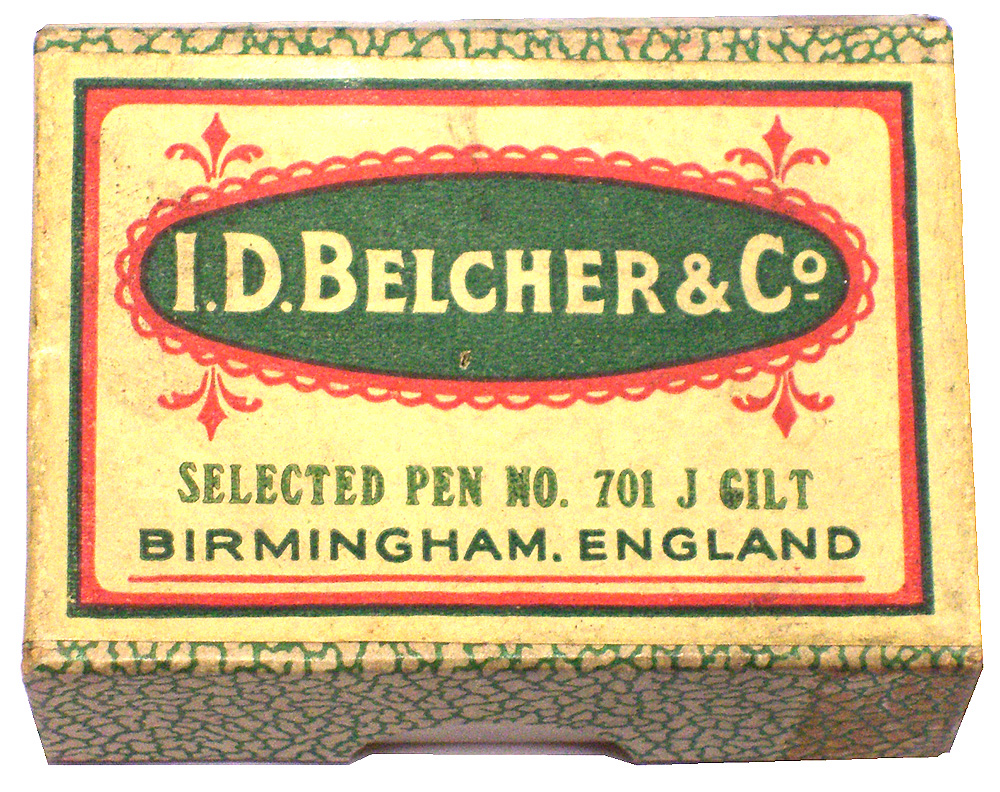
Vintage Boxes
My workplace used to do much technical drawing using film with step and repeat methods,
mostly for the textile and wallpaper industries. I came across are some lovely old boxes, containing
pristine still shiny nibs, for ink pens. Alas we have no need for these any longer, but the boxes
come with great designs. I’ve no idea how old they are.





Flower Power with Elisabeth Heim
Drawn to flora from an early age, Elisabeth Heim is a self taught artist who finds
the art of pressing petals inspirational when she is creating repeat patterns.
She uses flowers grown from her own garden and has over 150 varieties to choose from.
She looks upon the different shapes and qualities of the petals as a seamstress might,
judging the rose to be like a velvet, the tulip like a satin and the iris like a tulle.
Once the petals have been glued onto sheets of rag paper, these become the beginnings
of often intricate, highly delicate, patchworks. She has links with the Japanese market
where they have made a demonstration video of Elisabeths’ work to sell to interested clients,
apparently the craft is big business over there. In the meantime Elisabeth is researching
new varieties of flower for her garden and hoping to sell her work, into industry, as textile designs.

Vriad Lee and Michael Sowa
Two quite unrelated artists that I bind together in my mind are Vriad Lee and Michael Sowa.
Perhaps they would not even know of each others’ work, the first is from Russia and
the latter from Germany. One works with wool and felts soft toys, the other creates
amazing oil paintings that are often surreal and yet whimsical at the same time.
They both are crazy about animals and give us, the viewers, a sneeky peek into a
world only they can see. Once you’ve been treated to a glimpse of their work,
I guarantee you’ll be wanting more.

Perhaps it’s the beady little eyes that hold their secret …

I love Michaels’ rabbits, I want to know more about their lives and more to the point
where do they shop for clothes, and get their train ticket fares from ?

Don’t you think the top right image here
has a nod towards that famous James Dean in the rain photograph ?
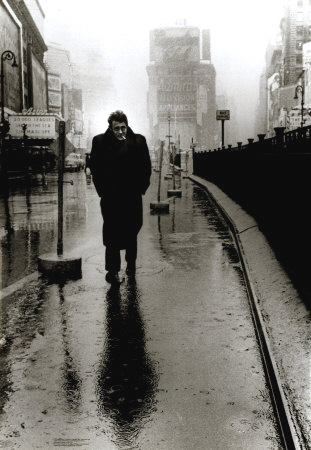
perhaps he’d gone out looking for his pet rabbit ?
Iconic image by Dennis Stock.
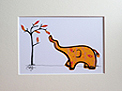
Fishink sketch idea
I spend a lot of time creating characters in my sketchbooks, that either
seem to evolve immediately and then work their way into my card ranges.
Or perhaps they’ll sit, amongst the pages of my sketchbooks, patiently,
until some months later when I may revisit and redesign them
and bring them to life at that moment.
Sometimes even the style of how they were drawn initially, or the shapes they
form may suggest a whole range that sit together comfortably.
Here’s a lion, in his early stages,I’ve yet to find a use for.

All Fishink designs are Copyrighted.
Fishink Rabbits with Ties… of course !

Don’t ask me why they’re wearing ties, it just seemed the thing to do at the time.
The Bluecoat Gallery features Samantha Bryan, Liverpool
The Bluecoat, has always been one of my favourite places in Liverpool. Apart from being
one of the oldest buildings in the city (built around 1725), it was a creative
and artistic environment, unlike anywhere else I knew. Back in the 90’s
when I lived in Liverpool, the Bluecoat was an art gallery, a cafe, a bookshop,
a theatre, a film-house, an arts community centre, a craft gallery and shop
as well as being a place for taking high grade musical examinations.
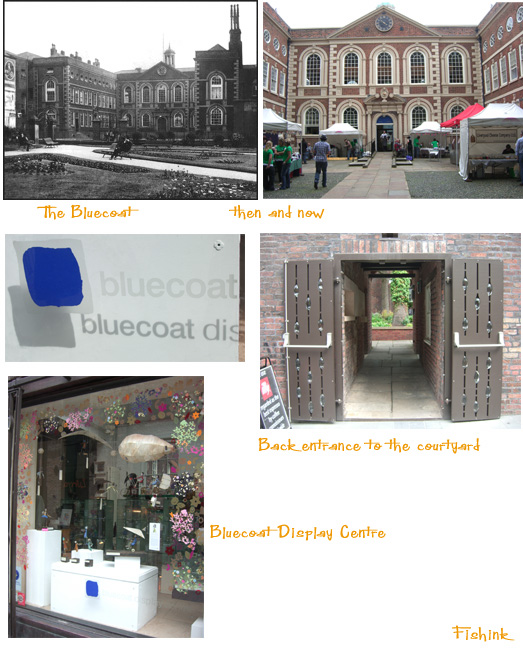
At the centre of the building used to be a wild and almost hidden garden, an amazing place
that you felt you alone had discovered and knew about. In fact when I worked for Next Menswear
on Lord Street, I used to retreat to the quiet and solitude of the garden to eat my lunch, far away
(literally) from the maddening saturday crowds.
Today it is still a thriving arts community and although the garden space has changed and a new
building has been built on one side of the courtyard, it’s still a fascinating space that I would
recommend anyone to visit if they are in Liverpool.
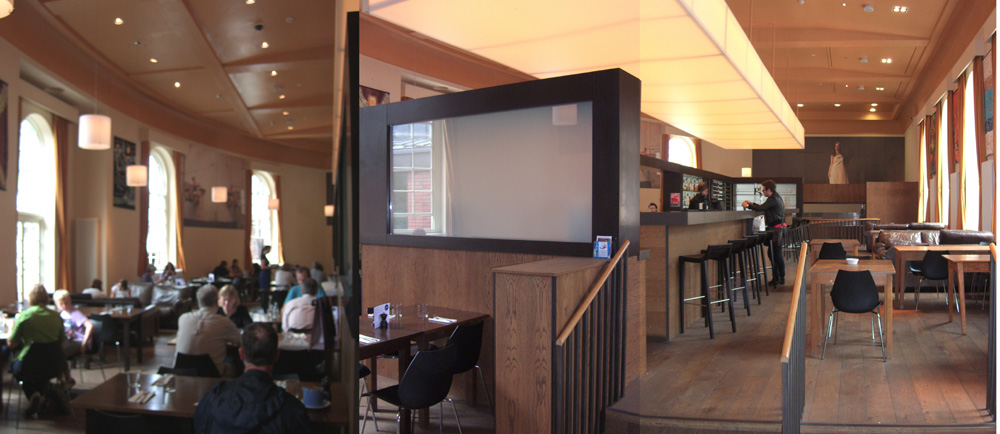
The upstairs bar and restaurant, great food and friendly staff.
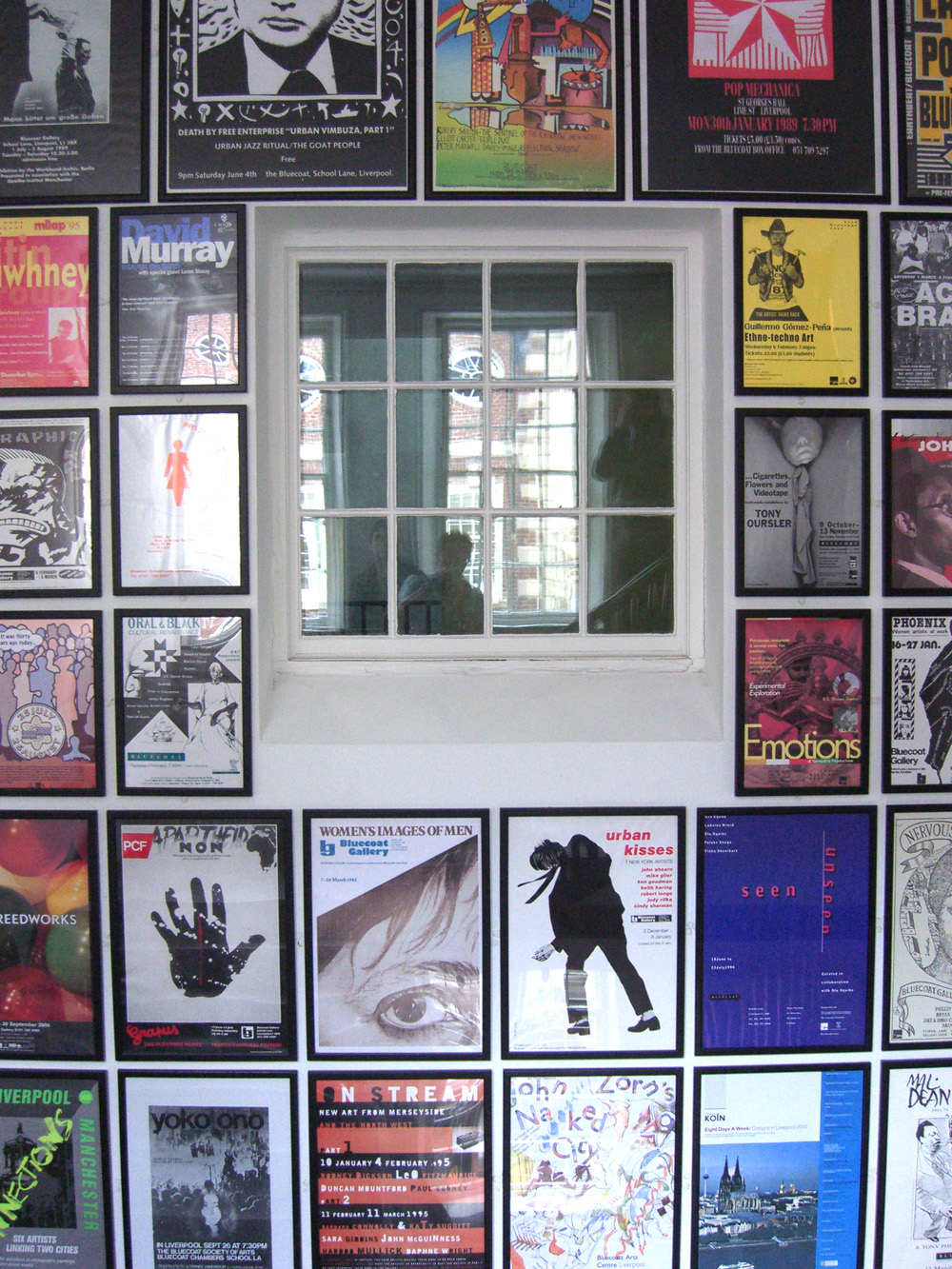
Art in the stairwell.
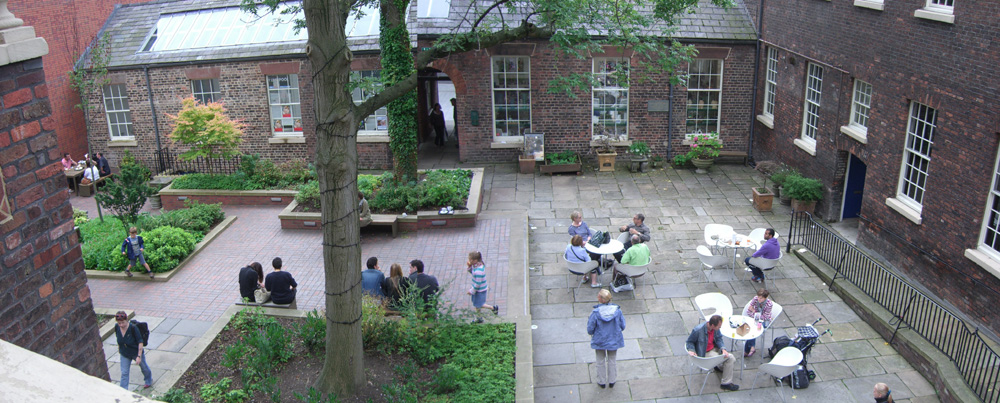
The new look and less overgrown Courtyard space. The Bluecoat Display Centre is in the top right corner.
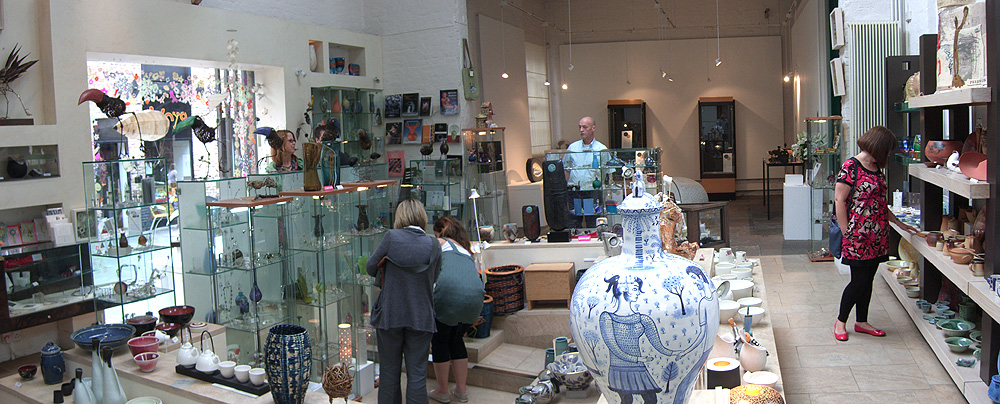
Inside the Display Centre.
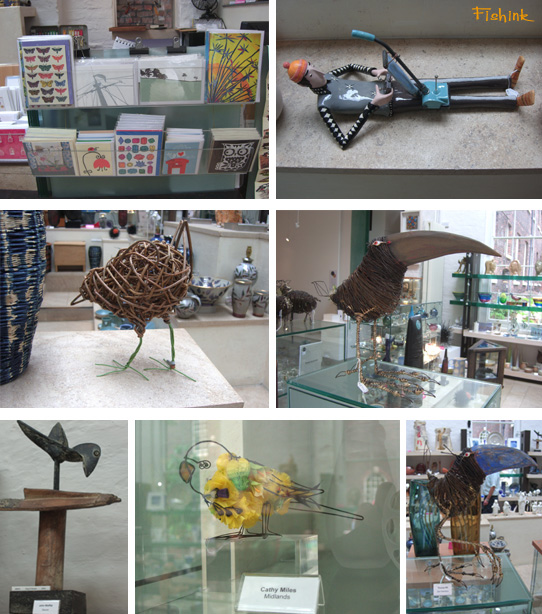
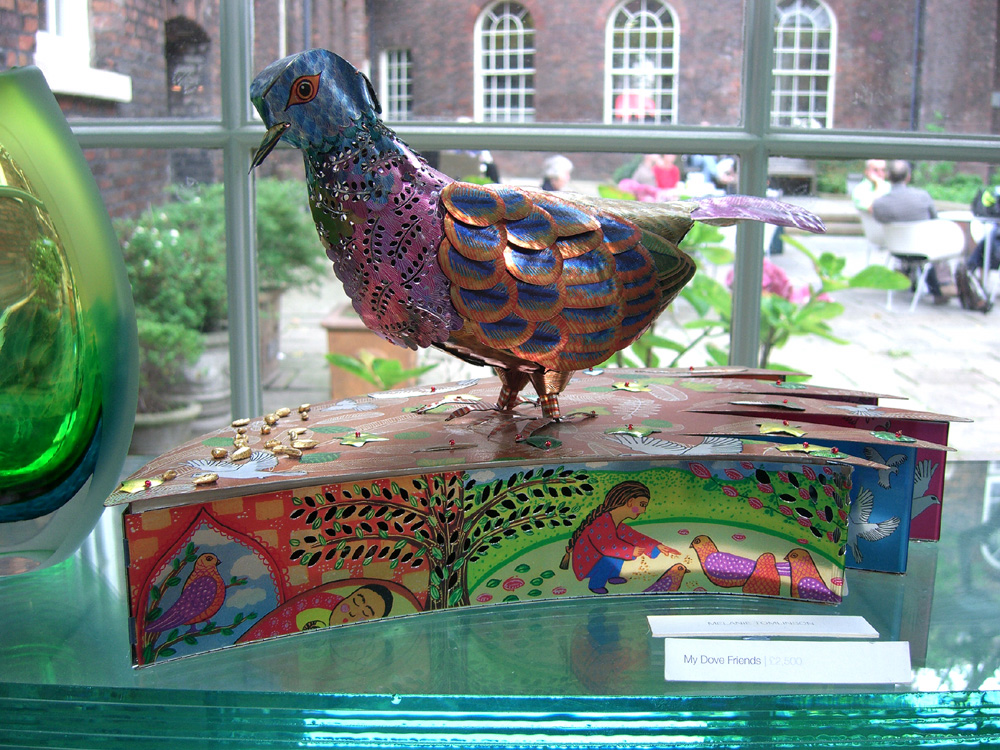
A great variety of artists work, ceramics, jewellery, textiles, wood, metal and stonework.
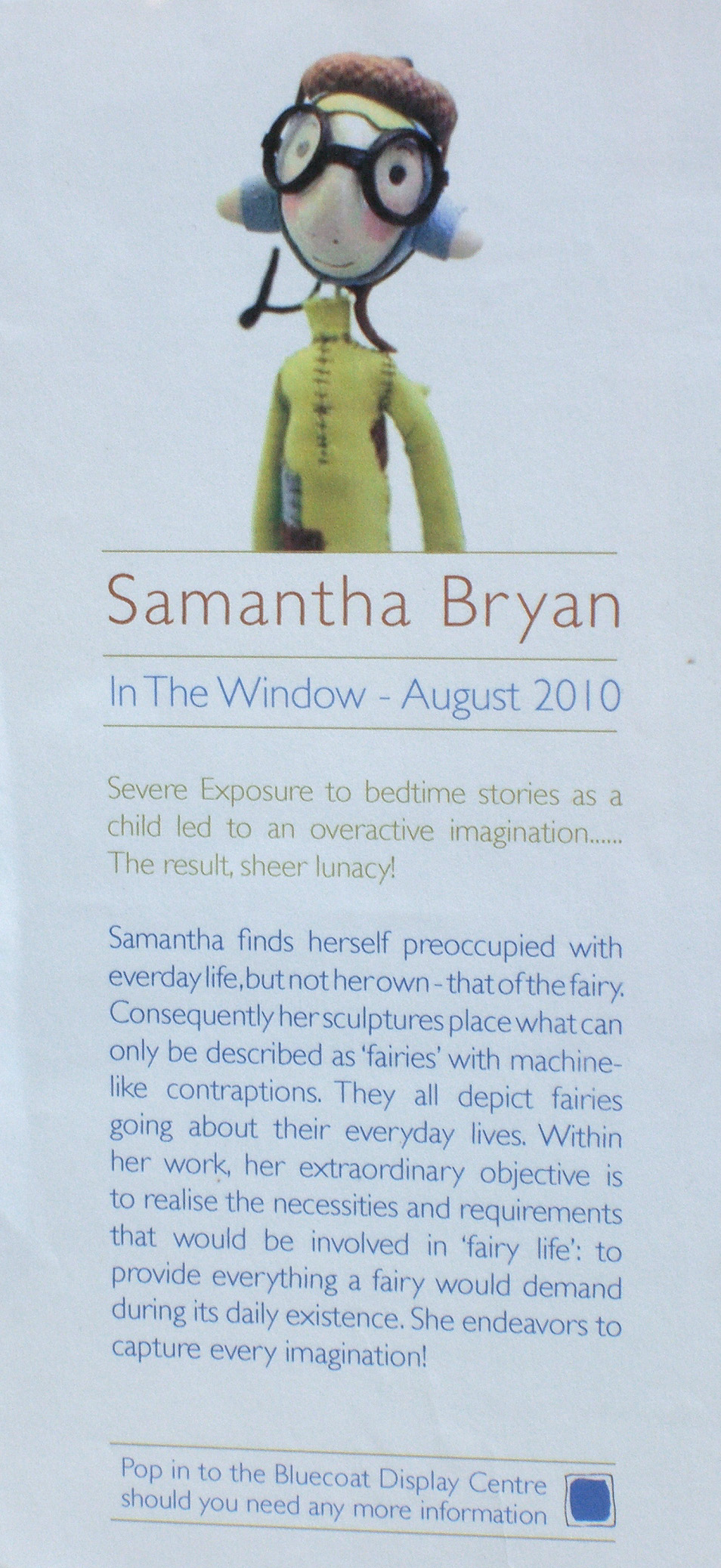
I have come across the wonderful work of Samantha Bryan before. A mixed media artist, based in
West Yorkshire and inspired by Victorian gadgetry and invention. Her work continues to inspire
and delight adults and children alike.
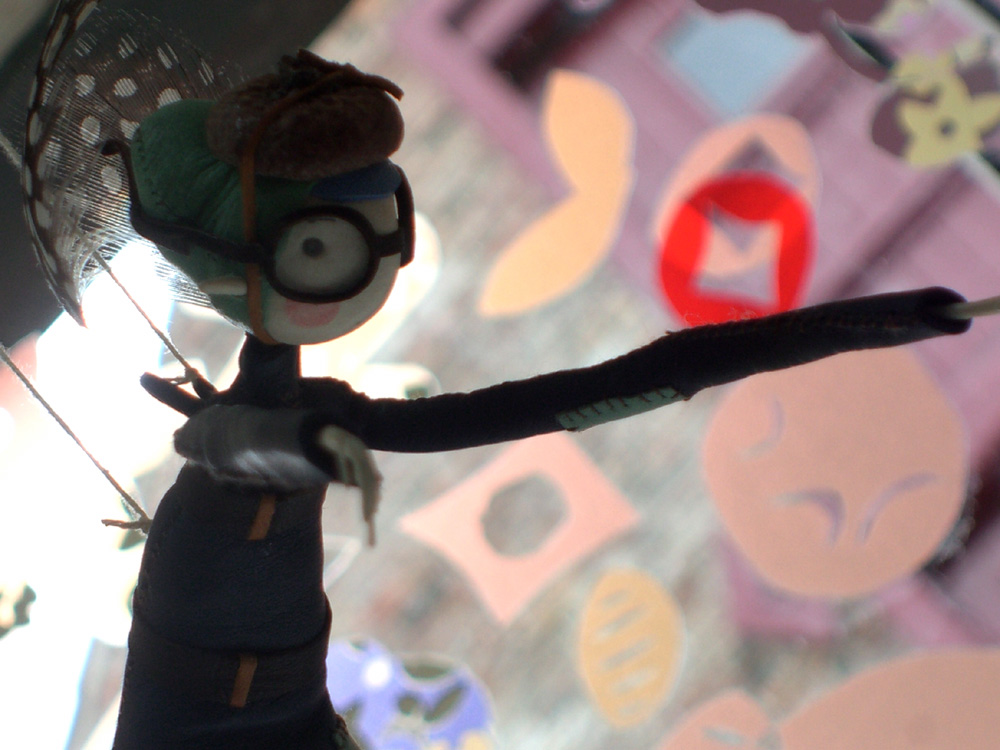
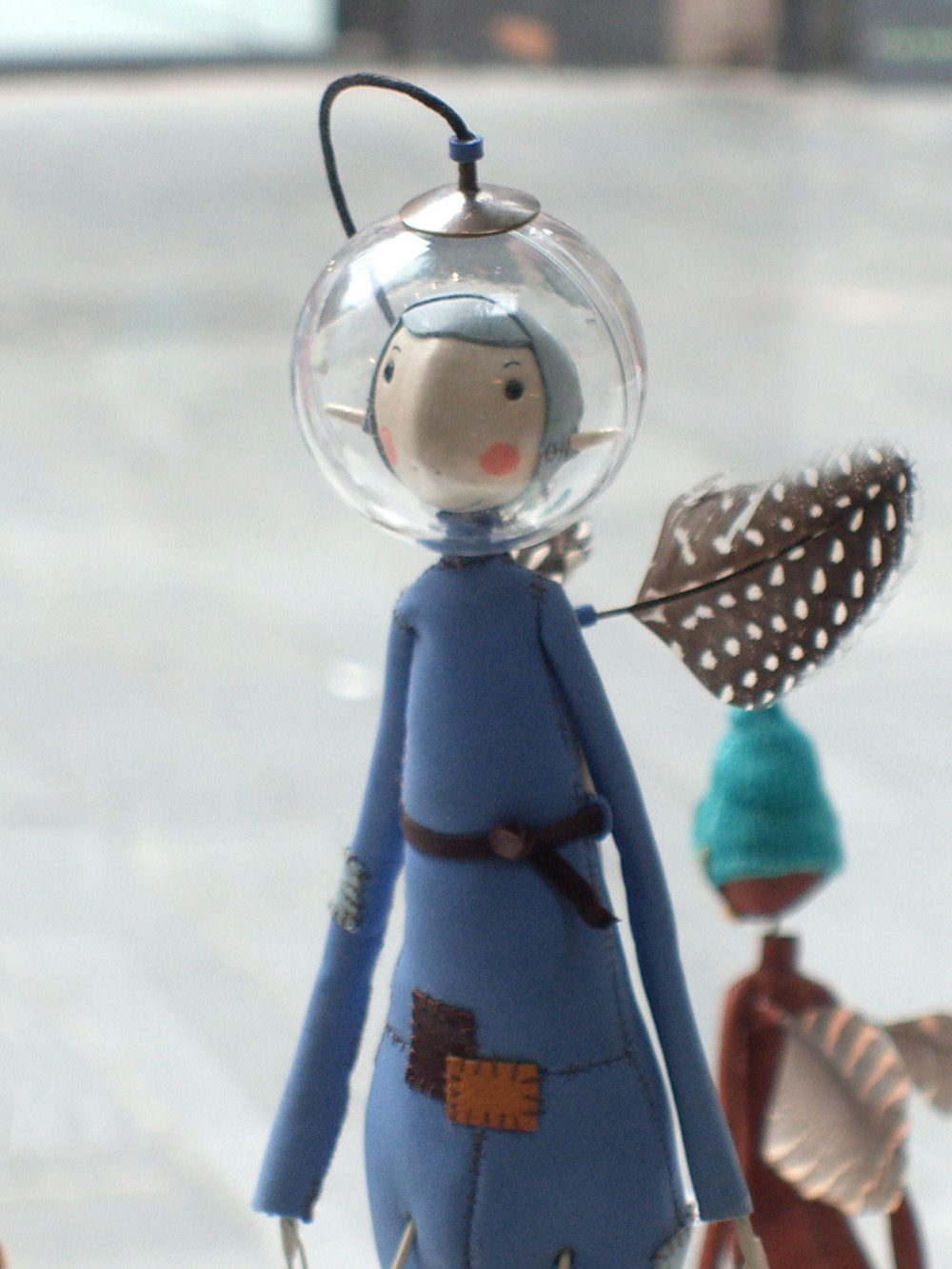
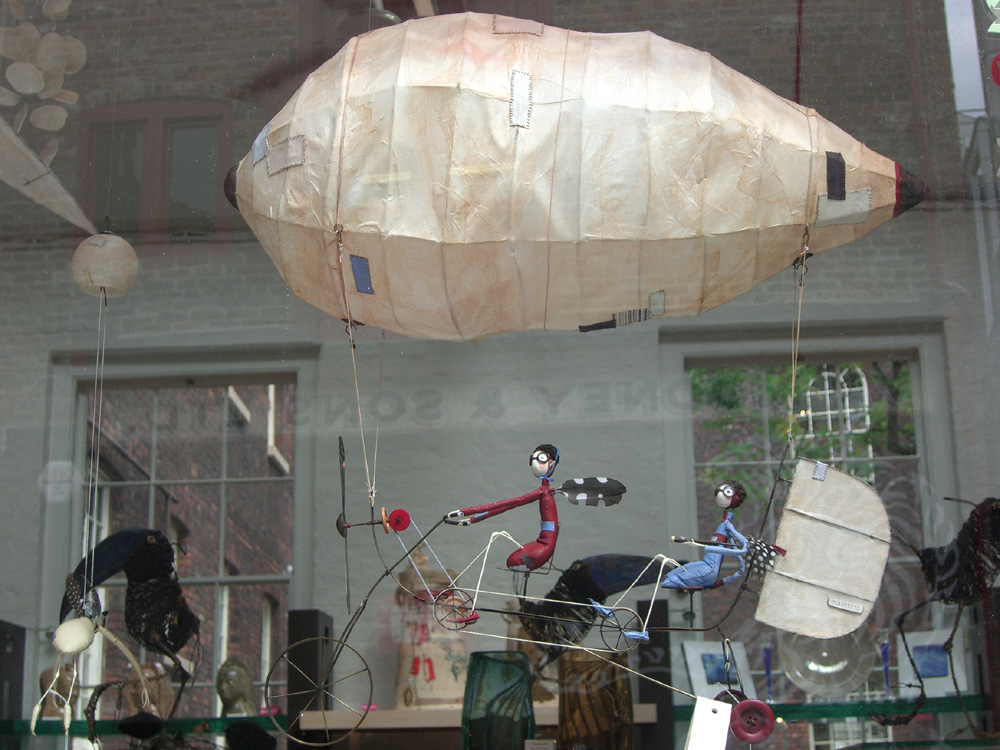
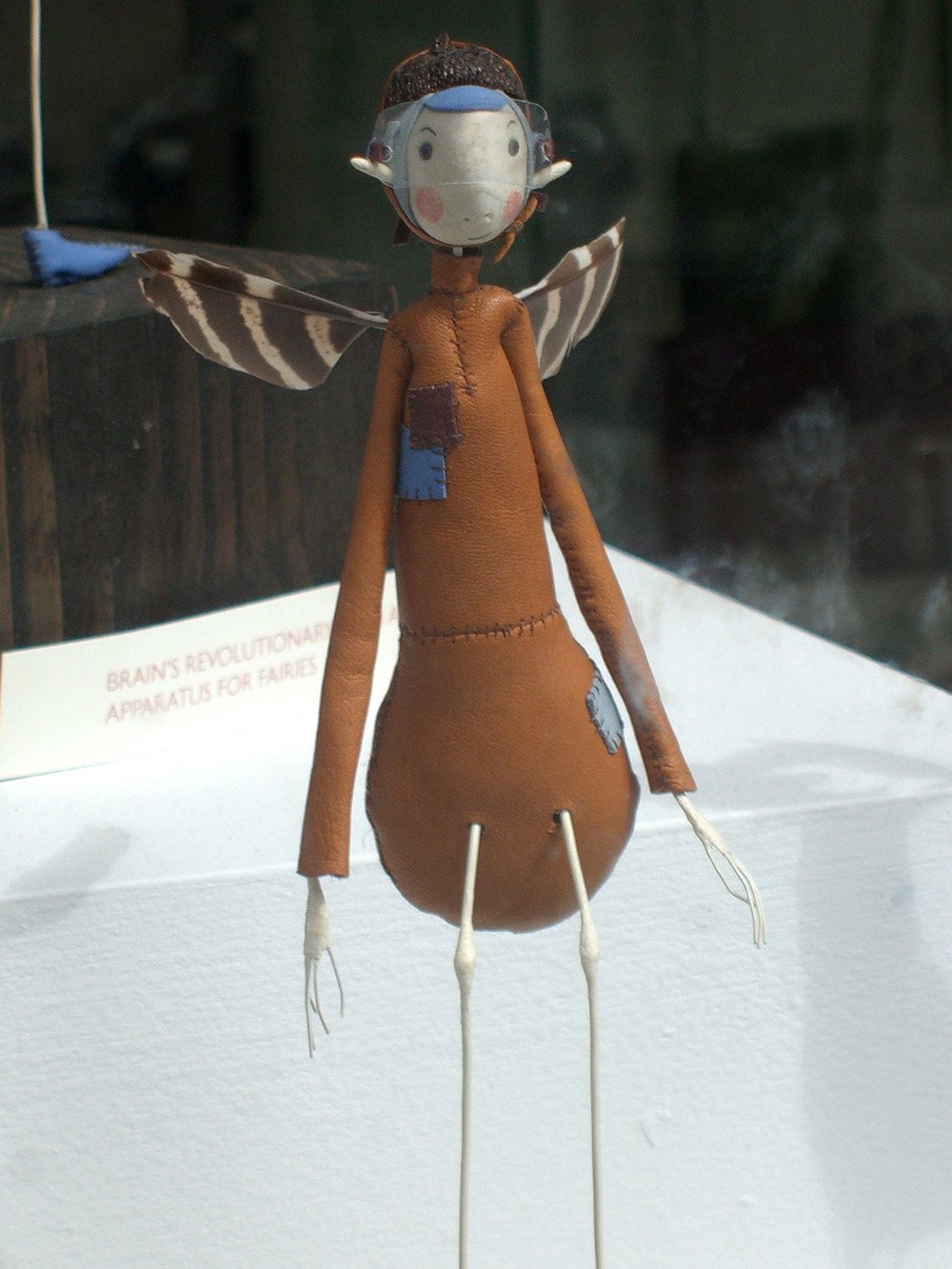
I always want to see these great pieces come to life in a Clangers style animation.


 fishinkblog.com