Marian Mahler Mid century textiles
Hi !
I thought that it’s a while since I have said hello to everyone reading my posts. Hey what a strange and varied time we are in !
I hope this finds you all well and that you are discovering some simple things to inspire and interest you. For myself I think it is all about keeping myself active, engaged and present, even when I have to spend copious amount of hours indoors or at home. Please feel free to peruse the back issues of posts on my site, they go back over the last ten years and there are over 1200 of them for you to read, look at and hopefully loose yourselves in. Do let me know if you find a connection in one or more of them and I hope you find them inspirational and engaging.
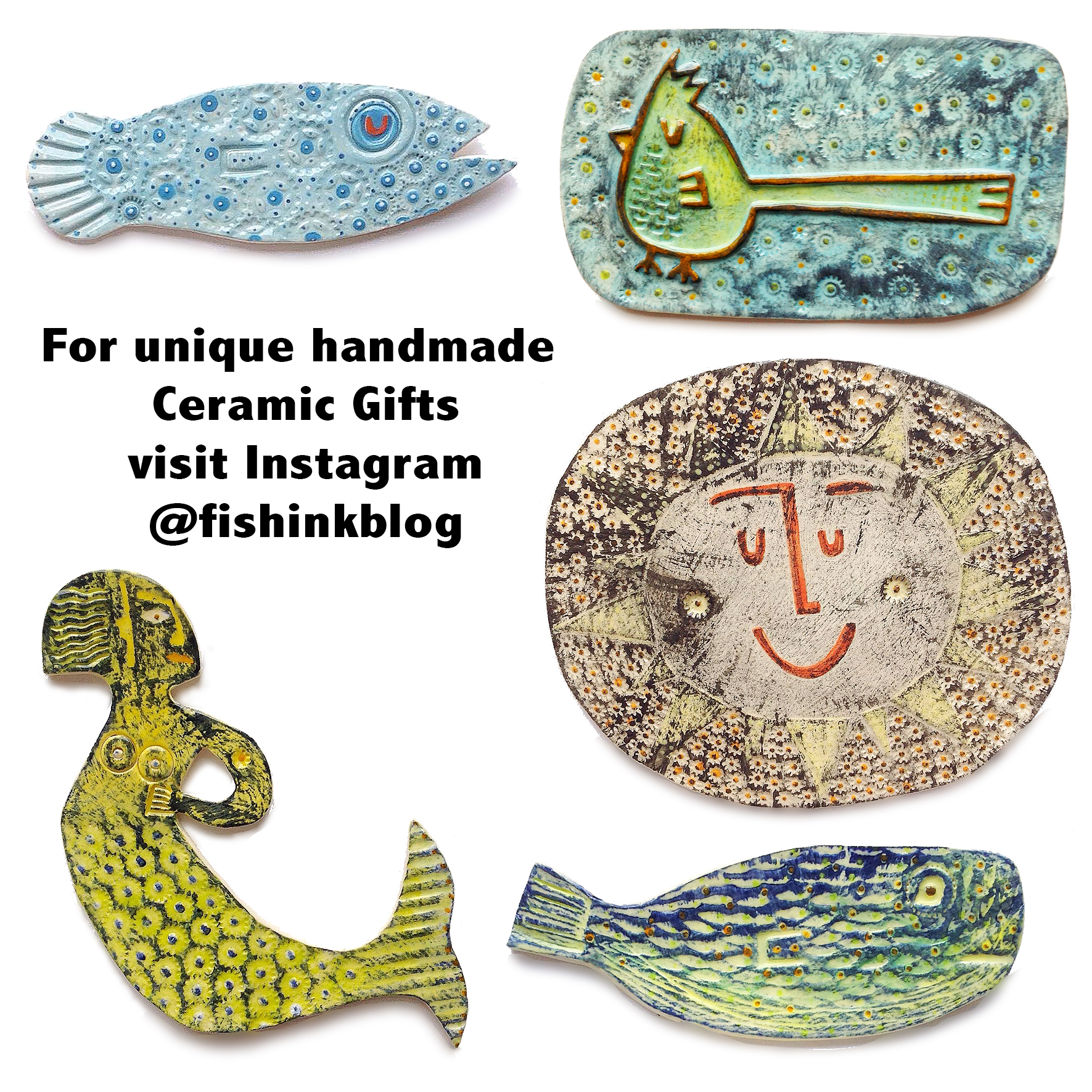
Also just to let you know, that I will be taking part in this weekend’s #postablepopup in conjunction with @curatedmakers on Instagram. To find my page type @fishinkblog into the search function on IG or go direct to www.instagram.com/fishinkblog and you can view what’s for sale starting Saturday 14th Nov at 10am UK time through til 5pm Sunday 15th November.
Remember to shop small and support small businesses this year more than ever. We all need to put our savings into shopping small and keeping those creative tiny companies alive and well or come next year, they may no longer be around. Take a look from my stories and feed what I have available for sale and I can ship my work to anywhere worldwide, even direct to your chosen recipient ! Follow me today @fishinklog.
So.. onto today’s creative artist.

Marian Mahler (1911-1983) Austrian born had trained at the Kuntgewerbeschule in Vienna (1929-32) and at the Royal State Academy, with some of her early designs being produced by the Wiener Werkstatte.

She arrived in Britain in 1937 as Marianne Mahler and worked as a free-lance designer, having supplied leading firms with her designs before the war.

During the early 1950’s she produced many designs for Allan Walton Textiles, Edinburgh Weavers, Donald Brothers Ltd. and Helios.

Her best client was David Whitehead in his ‘Contemporary Prints’ range. Whitehead’s were Britain’s most dynamic printed textile company, based in Rawtenstall, Lancashire. By 1948 the company was directed by architect Dr John Murray, whose ambition was to establish the Company in the forefront of contemporary design and to make good designs available on the mass market.

He wrote an article on his philosophy The cheap need not be cheap and nasty which was published in Design , Dec 1950. Twenty of their designs were chosen to be displayed at the Festival of Britain and on the SS Campania, the touring ship of the festival.
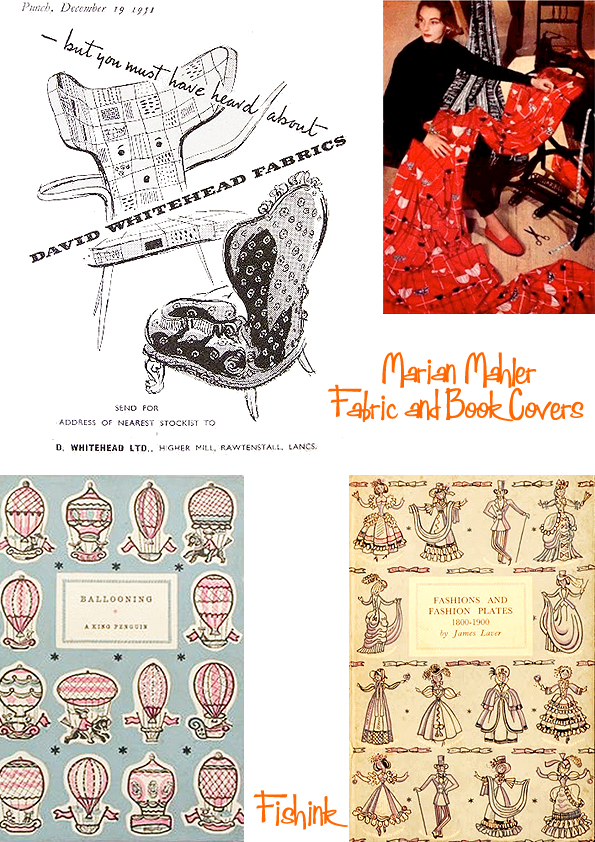
She also created a few book covers for Penguin books too.

Lovely work and a great influence on British fabrics during the 50’s and 60’s. If you liked this post you will also be interested in the one on Lucienne Day and Barbara Brown.
Taisto Kaasinen
Taisto Kaasinen (1918–1980) was one of Finland’s leading ceramic artists in the 20th century.
He was the son of Viljam Kaasinen and from 1941 married to Airi Lija Valtonen. Kaasinen first studied art on his own and then privately for Erkki Koponen and Uuno Eskola . He was trained as a ceramicist at the Arabia factory 1946-1952 and was employed as a ceramic artist at Upsala-Ekeby in 1952. He returned to Arabia in 1961 where he has his own studio in the art department. He participated in the exhibition Artium Exposé in Gothenburg in 1953 and in several exhibitions in Uppsala.

He was part of the Nordic tradition aiming for warm-hearted, humorous, and sometimes subtly ironic design.

My favourite piece is this cat, such a great character.
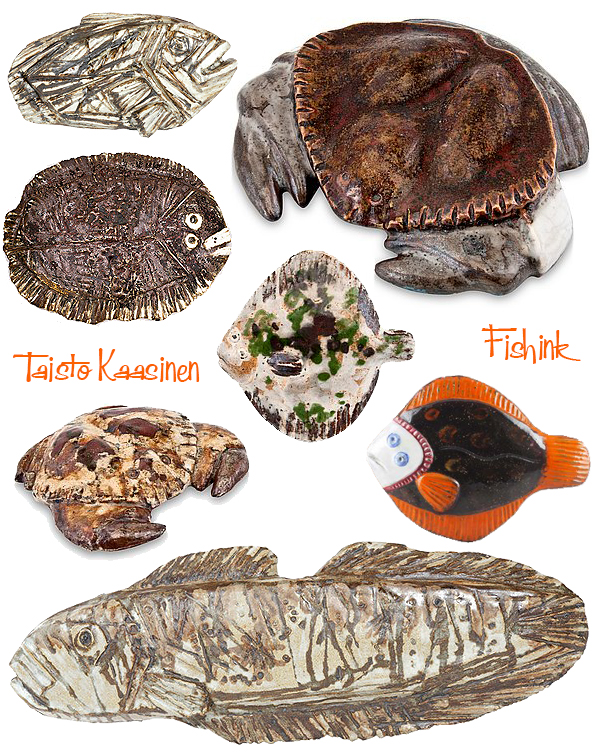
He became a prominent designer of animal and people figurines with rounded shapes and kind expressions.

Taisto’s artistry is represented at the numerous museums in the Nordic countries.


He even depicted Knights of Old and Knights of Bold !
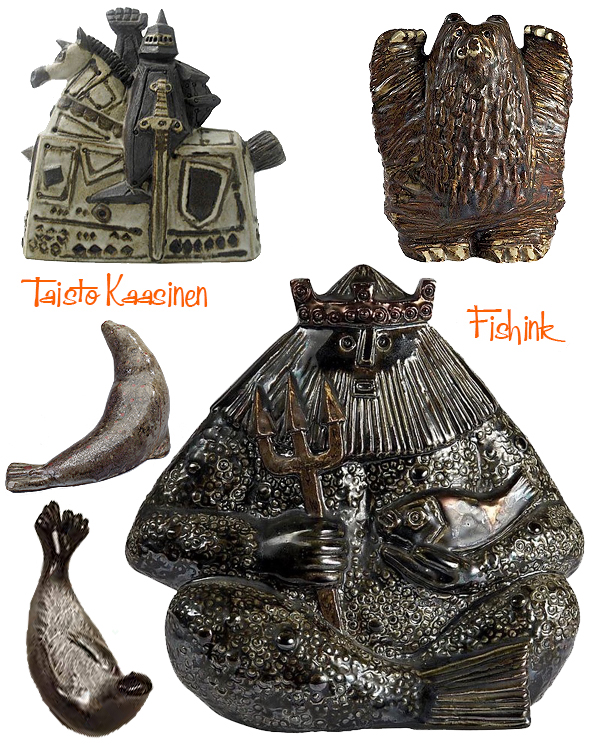
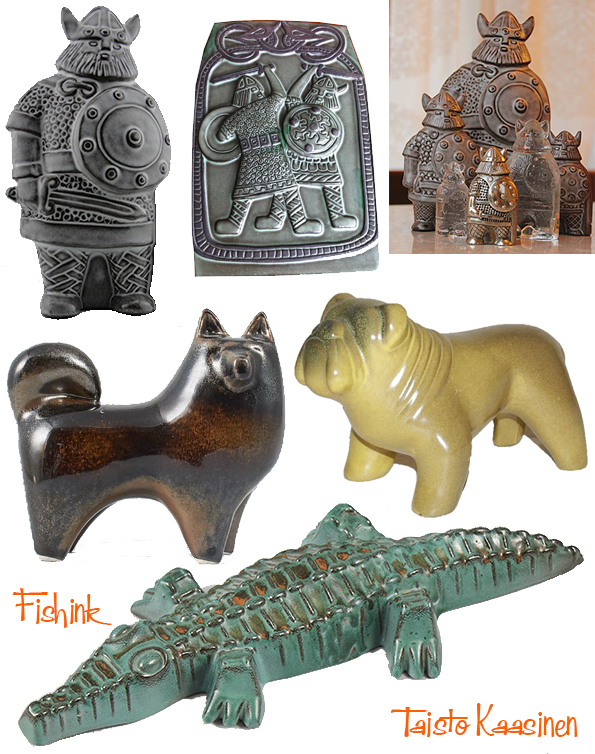
Also using flat ceramic-relief artforms as well as more 3D sculptures.

‘People’ (the name of the sculpture above), is located on the Hermanni Parish Hall in Helsinki and was made by Taisto in 1967. It depicts five people of different ages, holding each other by the hand to form a chain which symbolizes unity within the parish and involvement in the different stages of people’s lives.

I love his range of 2-D and 3-D friendly ceramic pieces.
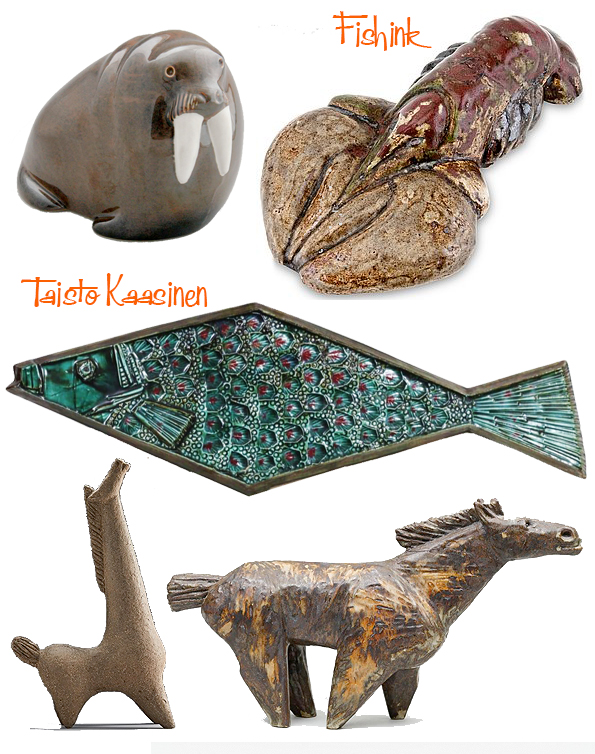
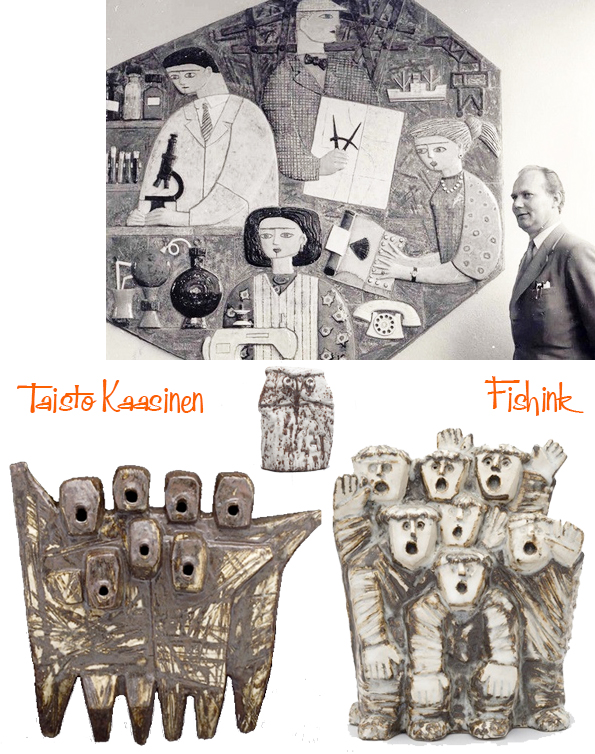
Beautiful Nordic Ceramics. If you enjoyed this, check out the work of Mari Simmulson, Stig Lindberg and Lisa Larson.
Gere Kavanaugh

Gere Kavanaugh’s varied output has dubbed her a designer of textiles, furniture, interiors, exhibitions, products, and graphics, as well as an artist and a colour consultant. She’s also channeled a love of letter forms into type design, creating custom typefaces for the Nixon Presidential Library and Museum and Arklow Pottery in Ireland. “I love too many things. I’ll design anything I can get my hands on—just ask me,” says Gere, an active designer at 87 years old, who’s itching for a commission to design a destination tea room or redo the interiors of an airline. “They’re just so boring!” she remarks with her usual affable candor.
Gere’s prodigious and polymathic approach to design began in school. After studying fine arts at the Memphis College of Art, she went to Michigan to pursue a master’s degree at Cranbrook Academy of Art. There, she thrived in the tightly knit studio system, living and creating with fellow students working in ceramics, painting, textiles, graphics, and architecture. At the time, both the classroom and the workplace were male-dominated, but Gere was not to be impeded by this fact. She was one of the first women to go through Cranbrook’s design program, along with mid-20th-century legends Ray Eames, Florence Knoll, and Ruth Adler Schnee. Cranbrook’s staff included strong male and female teachers, and Gere was encouraged by designers such as Finnish ceramicist Maija Grotell, architect/industrial designer Ted Luderowski, and textile designer Marianne Strengell.

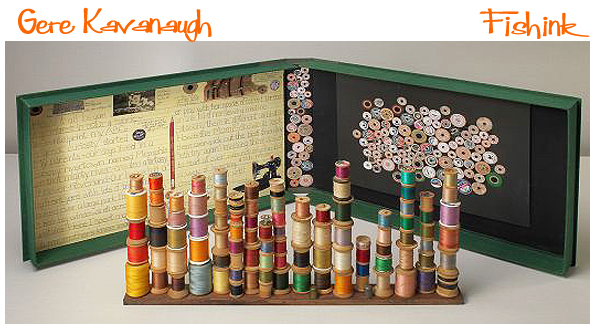
After Cranbrook, she was immediately hired at General Motors. Buoyed by a wave of postwar optimism, Gere remembers this time as heady and exciting for designers, especially those working in Detroit. In addition to GM, design-forward companies such as Ford, Chrysler, Herman Miller, Eero Saarinen, and Minoru Yamasaki were all located in Detroit, then the center of design in America. “There was a milieu—an atmosphere—[where you felt] that by creating better products, you were creating a better world,” she recalls.
Gere worked at GM’s styling studio, equivalent to a company’s in-house design department today. She designed displays, created model kitchens, and would even, at times, work on the interior design of private homes of GM’s top executives. But as part of the design architecture group, Gere’s main focus was designing exhibitions to showcase GM’s automobiles. For one memorable springtime show, she rented 90 canaries and housed them in a trio of 30-foot, floor-to-ceiling columns made of Swiss cotton netting, which hung like transparent birdcages beneath the dome of the Eero Saarinen-designed GM Technical Center. “There were also lights underneath and when you turned them on, the birds would sing.” Gere likes to incorporate animals in many of her concepts, drawing from memories of living across from the Memphis Zoo as a child.
Gere was part of GM’s “Damsels of Design,” the first group of women to work as professional designers in a U.S. corporation, a move championed by GM’s legendary design director Harley Earl. The “damsel” moniker concocted by the company’s public relations department didn’t always sit well with her, and she wasn’t interested in fueling the raging narrative about sexism and feminism. Her mindset is that of a humanist.
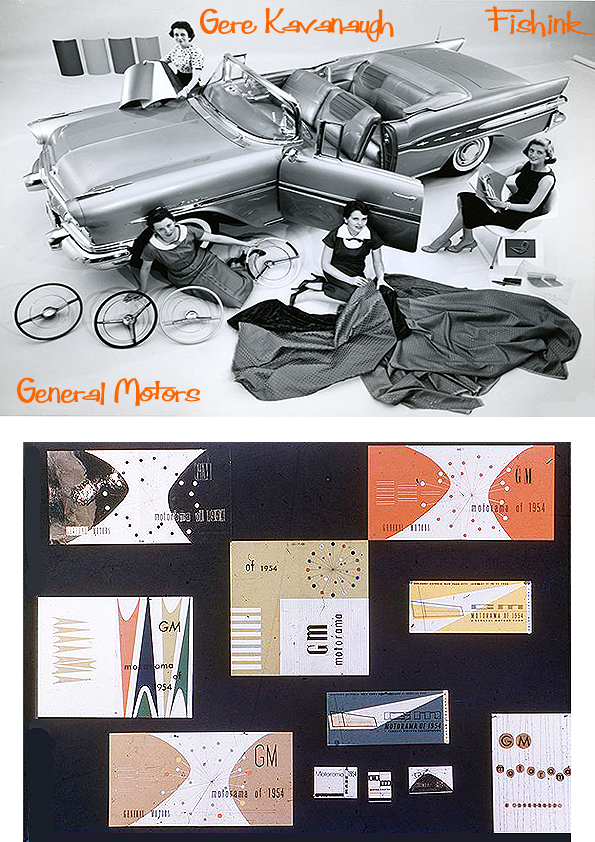
In 1960, after four years at GM, Gere accepted a design position at Victor Gruen’s—known as the father of the shopping mall—architecture firm, first in Detroit, then in Los Angeles. She flourished in Southern California’s creative climate and enjoyed great freedom in her new role, working on interiors of retail stores and shopping centers across the country. Following Gruen’s vision of recreating the atmosphere of European town centers in suburban America, also designing the first town clocks at shopping malls as public meeting places.
She also forged a lifelong friendship with her colleague Frank Gehry, a relationship that led her to venture out on her own. Gehry and his design partner, Greg Walsh, invited her to split the $76 per month rent for a bungalow in Santa Monica that was so small they used the bathtub as storage for their drawings. After moving to a bigger space years later, the Frank-Gere-Greg trifecta was joined by Deborah Sussman and Don Chadwick, best known as the co-creator of the iconic Herman Miller Aeron chair.
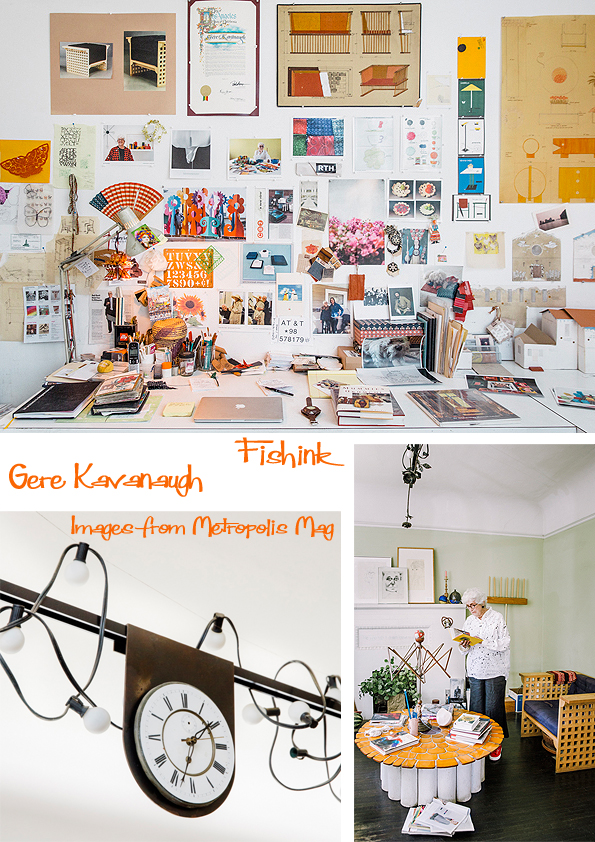
With the support of her colleagues and champions, the “unique, multi-dimensional design firm” Gere’s designs excelled. Her client roster has grown to include Pepsi, Hallmark, Neutrogena, Max Factor, and Isabel Scott Fabrics, who hired her to help set up an ikat silk weaving factory in South Korea.
Working with the patio furniture company Terra in the 1970s, she invented the now ubiquitous market umbrella, at times referred to as the “California umbrella,” a design she was unable to patent because it had “no unique patentable parts,” she explains. Frustrating dalliances with patents and copyrights throughout her career have informed her efforts to help Cranbrook establish an alumni product archive, a place for alums to donate a design or artwork that companies can reproduce and pay royalties directly to the school.

Reflecting on how design students have changed since she was in school, she observes, “We’re living in the most exciting age that we can ever live in and have more disciplines to draw upon to produce our work. But you have to be smart enough to figure out the best tool to produce what you’re thinking. And this the students are not doing today.” She’s talking about using one’s hands for more than clicking around a computer’s track pad.

For Gere, her hands are still the best creative tools she owns—as they’ve been since she started doodling as a child. “Working with your hands teaches you about your inside person,” she says, and at 87 she must know a little more than most of us.
Many thanks to Anne Quito for her biography on Gere, and the information used in today’s post.
Bob Dawe Red Barn Pottery Mid 60’s ceramics update
Last week I was contacted by a lady called Susie who thanked me for my blog piece in 2017 about the potter Bob Dawe. She went onto explain that sadly Bob had died last October but she had been a longtime friend of his and would I like to see a few ceramic pieces she had of his later work, of course I would. So I thought I would update his post in memory of a gent who’s work I look at every day.
I was recently looking around my studio-space thinking how some of the artifacts that surround me have come to be there. One such item is a small pot by ceramist Bob Dawe.
From my school days, I used to visit the Bluecoat Display Centre in the heart of Liverpool. I must have stumbled across the place when I was still in school but just old enough to travel to Liverpool on my own.
The Bluecoat Centre and gallery shop, has and always will be for me, a timeless, tucked away gem, some small oasis in the hustle and bustle of a busy Liverpool city centre. It must have been back in the early eighties, when I was taking my Art and Ceramics A levels, that I had saved up about £15 and bought myself this beautiful vase from the display shop.
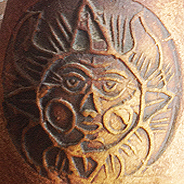
I must admit that it felt quite grown up to buy a piece of another artist’s work at the age of 17 and I’m guessing that I must have been attracted to it’s simple form and the 1960’s style of the sun stamp, which adorned one side of the vase. Thinking back, I think those early visits to the Bluecoat must have helped define my love of craft and designer objects and the appreciation I have for individual hand-made ceramics today. Here’s my vase.

Bob Dawe and Howard Evans ran the Red Barn Pottery in Great Wratting, Suffolk, UK, from 1965 to 1968. From there he moved to Sudbury in Suffolk to work on his own.
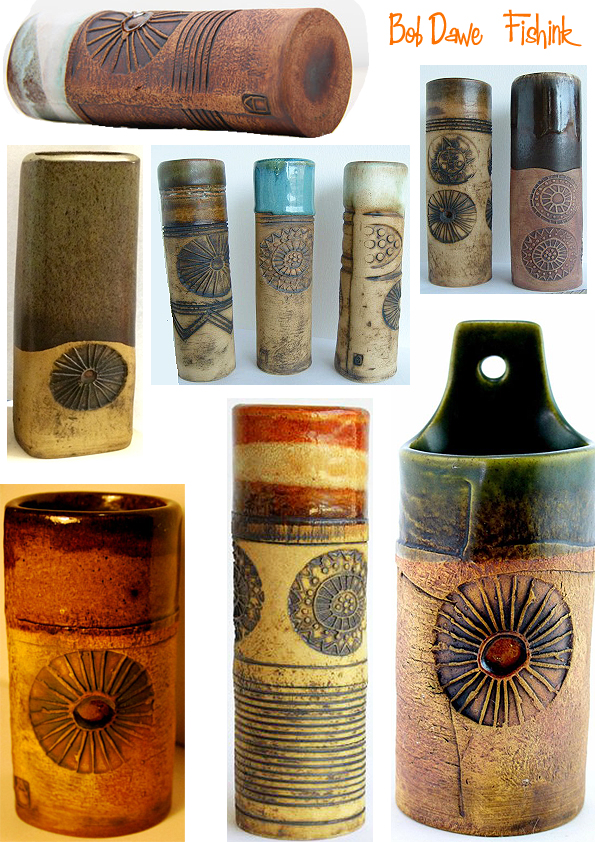
He specialized in using a rolling technique to create cylinder pots. Decoration was usually incised lines and impressed marks. The way these pots are constructed is very important, such slab pottery is amongst the earliest that man ever made. The technique used predates the wheel and along with simple techniques like pinching and coil making, date as the first pots of civilization.
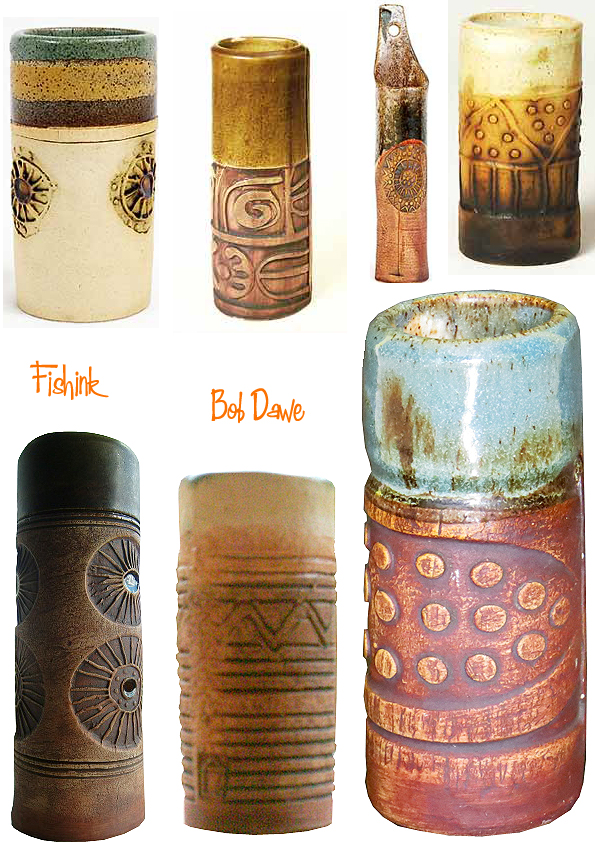
On 20th century forum, I discovered someone asking Bob why he had made his work in the way that he did. He replied … ” Hello. This is Bob Dawe replying to your interesting question about our style of pottery in the 60’s. It was probably because several of us went to Goldsmiths College, where building pottery was far more of an interest to us than throwing. Secondly, under the influence of two splendid tutors: David Garbett and Gordon Baldwin. There was a very strong emphasis on textual decoration that related to the pot and enhanced its form. We enjoyed hand-building because it was a much more direct way of using clay than throwing, where you have a “machine” ie the wheel between you and the clay. ”
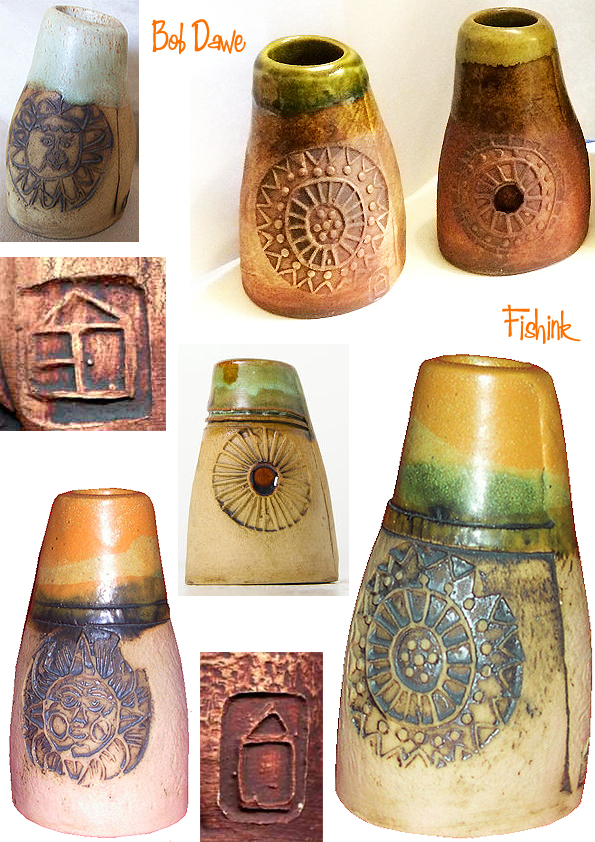
It was great to discover a little more about my early ceramic purchase and see more of Bob’s work from the same period. I’ve discovered that some of the larger, square ceramics are possibly made by Howard Evans, Bob’s working partner at the studio at the time. I thought I would leave them in to show the range of work coming out of the studio too.

There’s almost something plant-like in some of his forms.
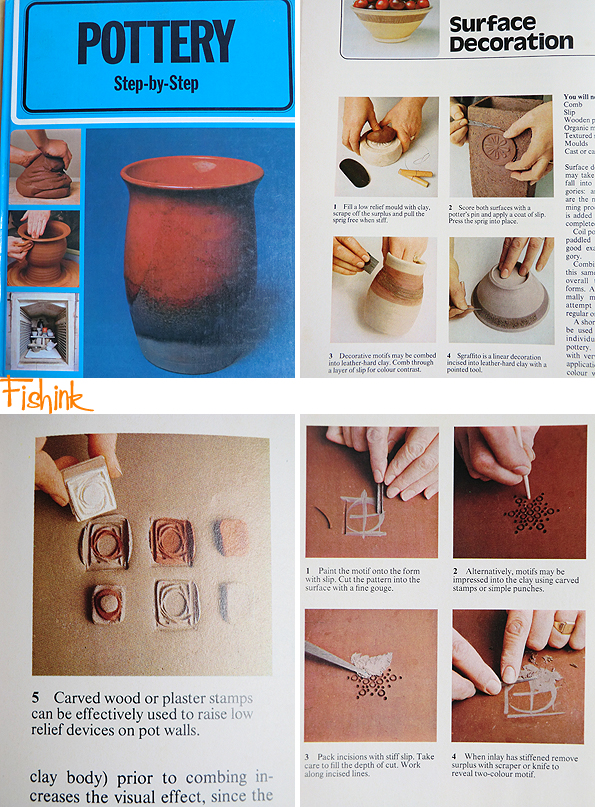
I discovered that I had also kept a 1970’s book on pottery that I’d found really useful when I first started taking ceramics at school. It covered the basics so well and featured such topics as slab pots and surface decoration. It could almost have been written by Bob himself lol


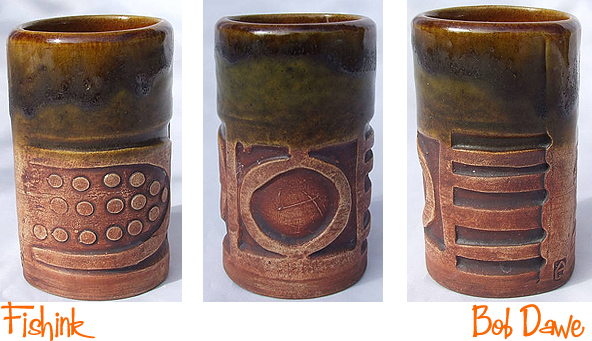
What a delight to see more of Bob’s work. I really enjoy it’s simplicity and almost tribal /rustic /rune-like, freshly unearthed appearance. So much so that I had a look online today and decided to purchase a second and third piece of Bob’s work. They should sit nicely with the first, only purchased some 35 years apart ! : )
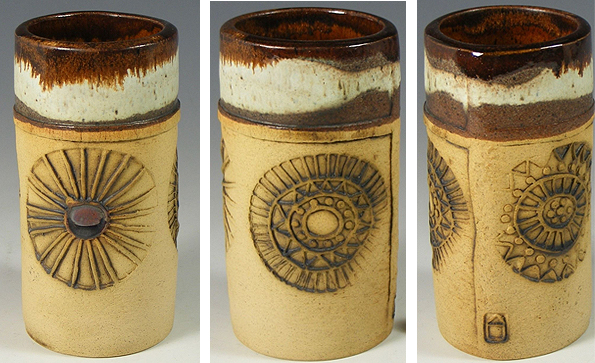
What sits around you at home/ perhaps in your studio space, that has some personal or sentimental meaning ?
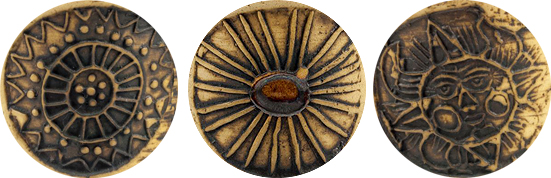
Susie said about Bob.. ” In the 90’s he made several ranges of moulded dishes of different sizes with wonderful glazes. I have one complete set of six, much used, and several early experimental ones with more detailed markings on them. He was a consummate artist, with little appreciation of the quality of his work – he simply did what he loved, working with clay. It’s good to find his memory lives on – thank you ”

The bottom photo is a very recent one of a few of my Bob Dawe pots in use. Susie told me “He would have been very pleased to know you are using his pots for autumn leaves – it was his favourite season. ” Thank you Susie for the sad but kind update on Bob and his work and I’m so pleased it prompted this timely update.

Fishink New Collection
Hi there, just a quick message to say that for anyone interested I have a new collection of Ceramics that are on sale this weekend on my stories @fishinkblog on Instagram. Open 10 til 5pm UK time and on my feed thereafter. Here’s a quick mix of the type of items available.

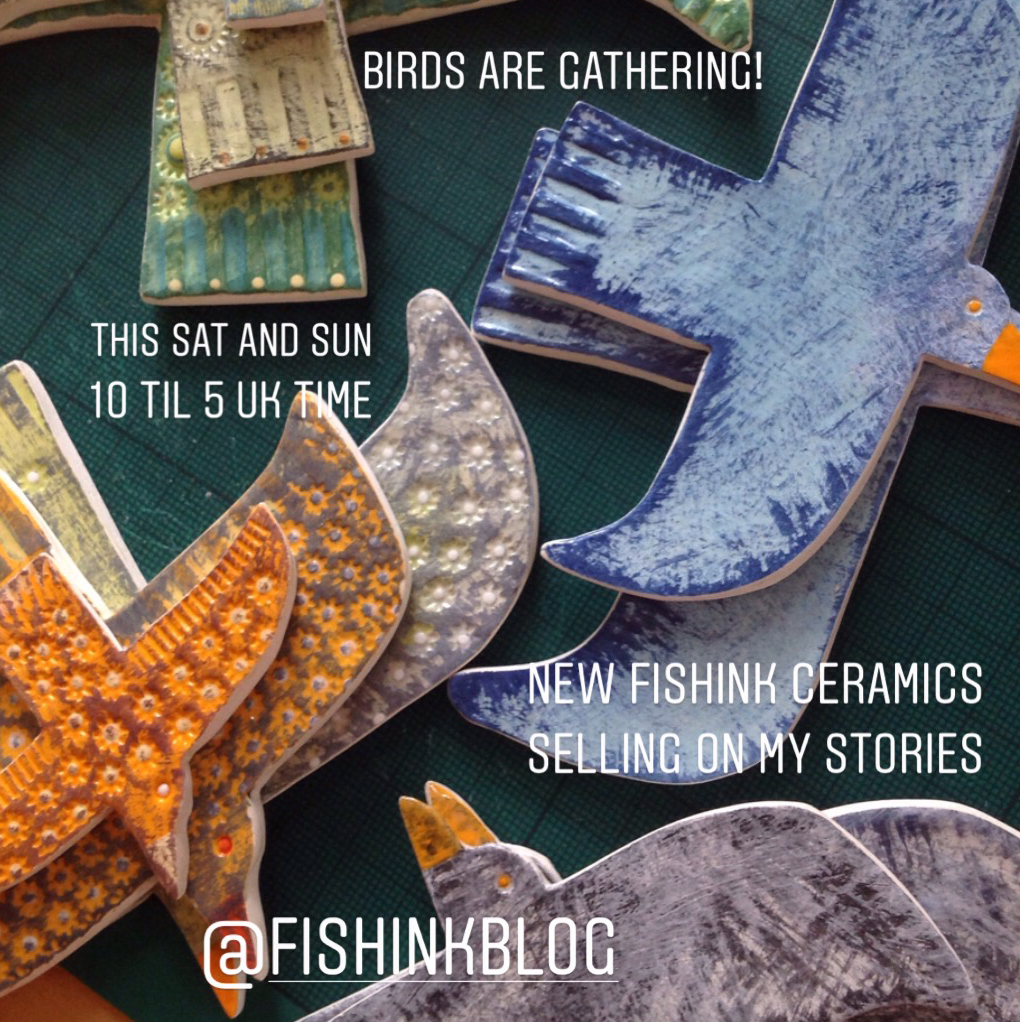
Do pop over and follow me or have a browse. Thank you Craig
Lynita Shimizu Discovering Moku Hanga Printmaking
Morning everyone, and apologies for my lack of posting last week I was actually away in the Northumbrian National Park, walking and catching up on some time for drawing. Here’s a lovely post I first featured a few years ago.
People often ask where I find the artists and creative people that I feature on my blog and the honest answer is that I just seem to stumble upon them.
Often when I’m searching for someone (or something totally unrelated to my initial search), I will spot an illustration, photograph, piece of ceramic and that sets me off on an adventure to find out more. I can’t stress enough how important good labelling is for all of your images. It’s the one thing that enables others to help find you and your work.
The most frustrating thing, is to find an amazing artist and then discover that there is no link to their site, or that the illustration is labelled simply ‘Joe Smith’ and that when googled , there are about 120 google searches that display results for ‘Joe Smith artist’ !
At which point I often decide to follow another avenue and the search is forgotten. It was whilst looking for the work of a wood cut illustrator/ printmaker that, by chance, I came across today’s featured artist.

Lynita Shimizu has been creating woodcuts using the Japanese techniques of Moku Hanga since the mid-seventies.
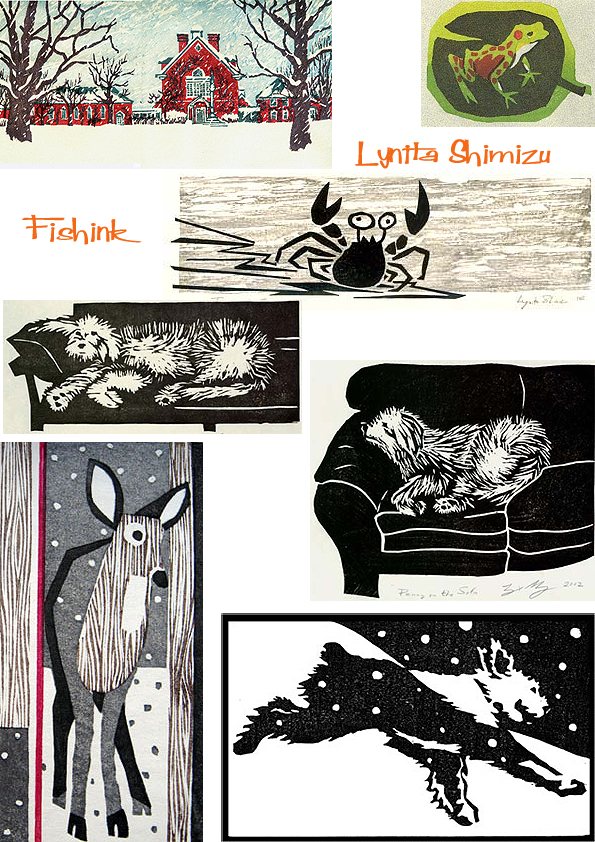
Originally from Huntingdon, Pennsylvania, Lynita graduated with a Fine Arts major from Westminster College in 1974.
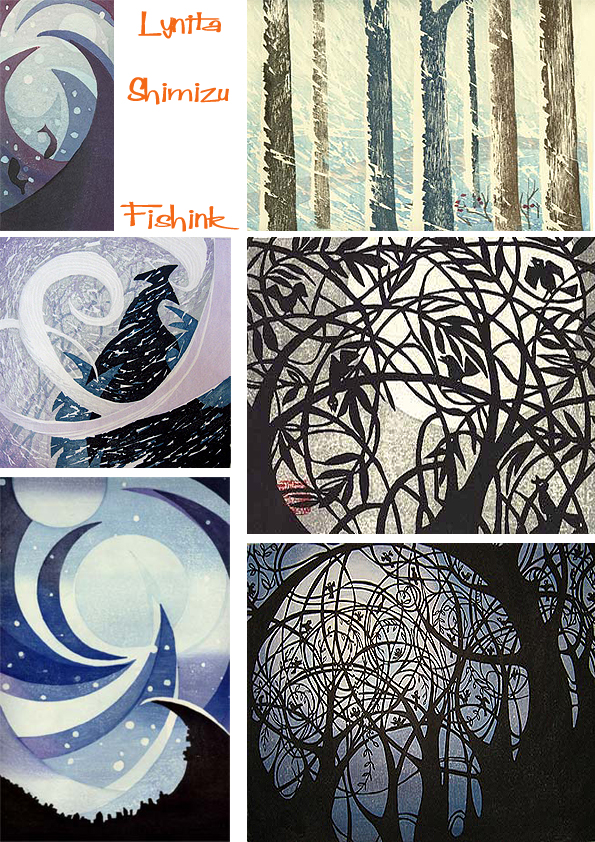
Following a year at the Chinese University of Hong Kong, she moved to Japan to concentrate on woodblock printmaking.
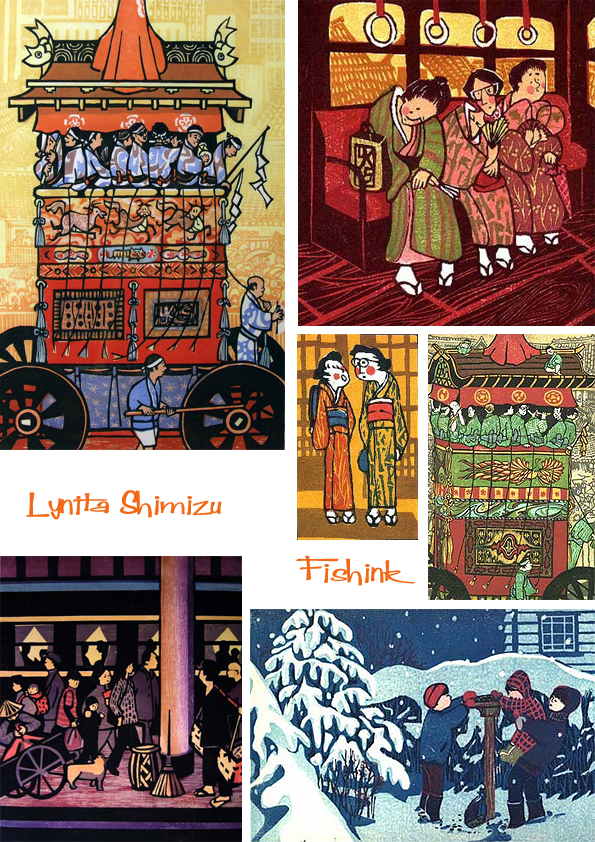
During her four-year stay, she studied in Kyoto with an elderly master of traditional woodblock printmaking, Tomikichiro Tokuriki, and in Tokyo with contemporary printmaker, Yoshisuke Funasaka.
These landscapes are amazing and somehow possess both a 1960’s and completely modern feel to them.
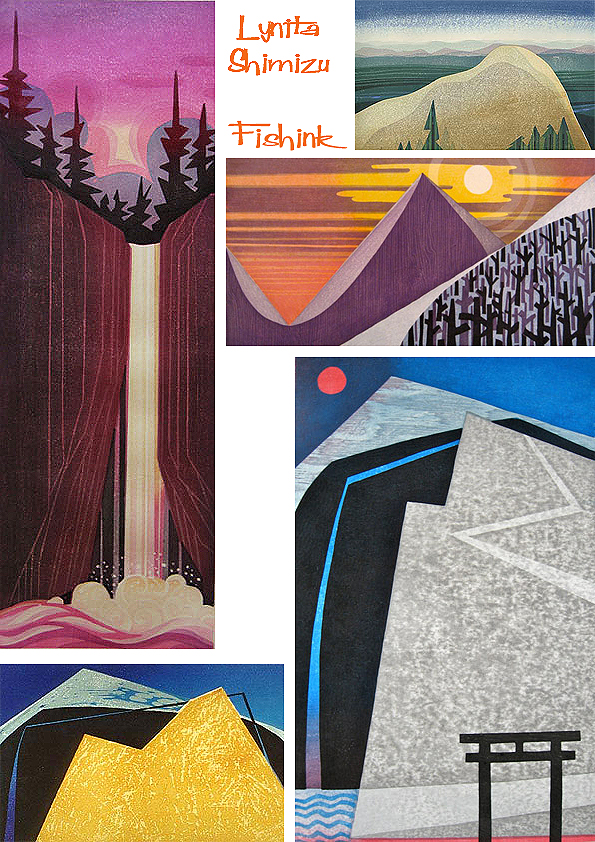
From Japan, Lynita and her husband moved to River Edge, NJ, where they raised three sons.
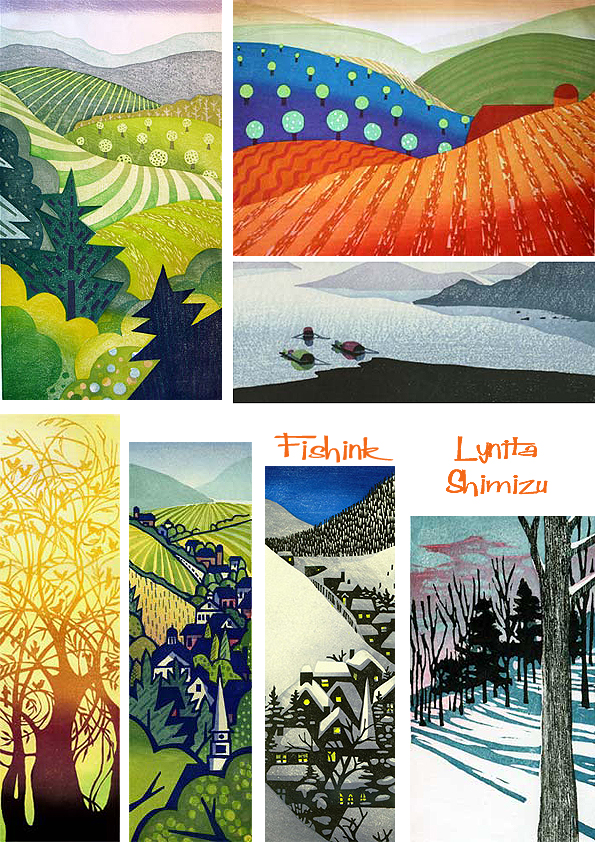
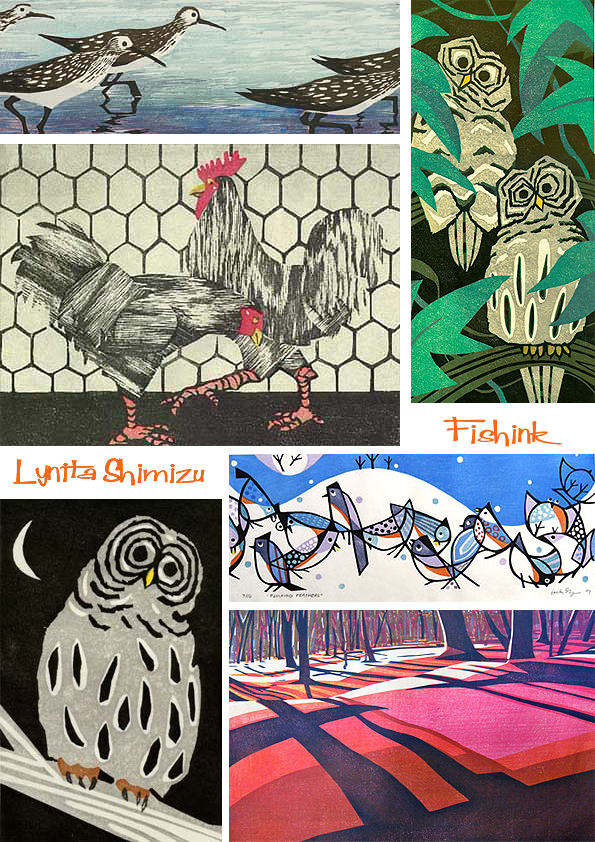
Today Lynita lives in Pomfret, Connecticut, where in addition to printmaking, she enjoys her favorite activities of gardening, hiking and playing piano. I think her textured, whimsical birds are also fabulous. These Guinea Fowl made me smile immediately.


Lynita describes the process behind creating the right paper to work with. Amazing work don’t you think ?
Joey Rutherford Cats and Ghosts

If like many people you are a fan of ceramics, cats and ghosts (or ceramic ghosts with their cats) or the ghosts of cats on ceramics or just cats, cats and more cats, then I’m sure you will love the work of today’s artist Joey Rutherford.
Even as a dog lover, I am partial to a bit of cat when it comes to ceramics and Joey does them so well. I got in touch to discover how her ceramics ‘tick’ or rather ‘purr” : )
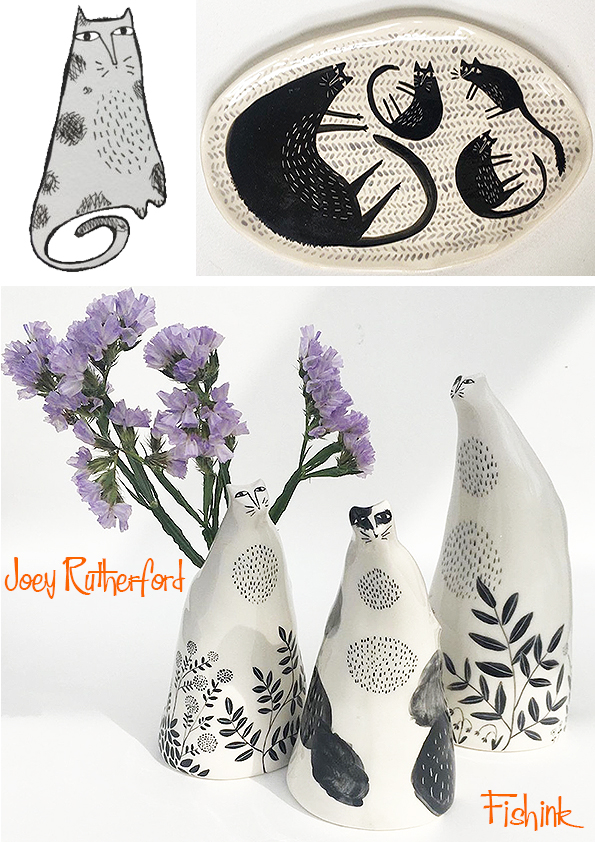
Tall cats that double as vases, short cats that sometimes become candle holders and even flat cats who mostly just live on plates.
Can you tell me more about your love of cats and the ones you create amongst the flowers. Do you make each one by hand from scratch ?
While I have always loved cats, my recent obsession does come from my cat Maeby, the only cat I have ever seen with elbows !
My practice is a mix of hand built work and slip cast pieces. Everything starts as a handbuilt piece, and then occasionally I will make a piece that I like enough to make a mould of it so I can use it for slip casting. I really like decorative folk painting, especially with floral and botanical themes. Also a cat sitting in a pretty garden is one of my favourite combinations, so that is probably what I was trying to create with those cat vases in particular.

There’s a whole host of houses, lighthouses, boats and coastal bits and bobs for us adults who still like making their own towns.
Who influences your work and if you could pick one person to collaborate with, who might that be and why ?
To be honest the work I find most influential is mostly from outsider artists or people who have died. Alfred Wallis was a Cornish fisherman and his paintings are so beautiful and Maud Lewis’s work makes me so happy but sadly both aren’t with us any longer, but if I had a DeLorean ( i.e. the car from Back to the Future) that’s who I would look up ! I think I really just like painting what makes me happy, even if that means it’s haunted villages all day long, and that is exactly what they did, they only ever painted for themselves.

I love the way that you link some of your work, like the tall ladies with towns on them. Where did these lofty beauties originate from and is the townscape based on anything real or a dream perhaps ?
Honestly I am not sure where my lady vase forms came from. I like the idea of creating a form and then only really making it recognisable as human by adding hands and a bob haircut. I have family in Prince Edward Island in Canada and the landscape there really stuck with me and I see it also in coastal villages in the UK. I have only ever lived in cities, so there is something about these little pockets of houses by the sea that I really love painting. I find the seaside a lonely sort of place even though it’s so charming, it must have something to do with how big the sea is and how tiny we are.

I’m also curious to know where the ghosts came from, I love their little towns and coastal jaunts captured so cleverly on your pots and dishes.
Well, I can give you the, ‘I think ghosts are cute’ answer, or I can give you the “I think about death often and my Catholic upbringing convinced me that there is a good chance that the people we love never leave us, they just hang about in the ether, floating above our heads”. Either answer works and they are both equally true. I never really noticed how many of my pots had coastal themes on them, I have been going on holiday to Dorset every year since I was a child and I think my love of the sea started there.
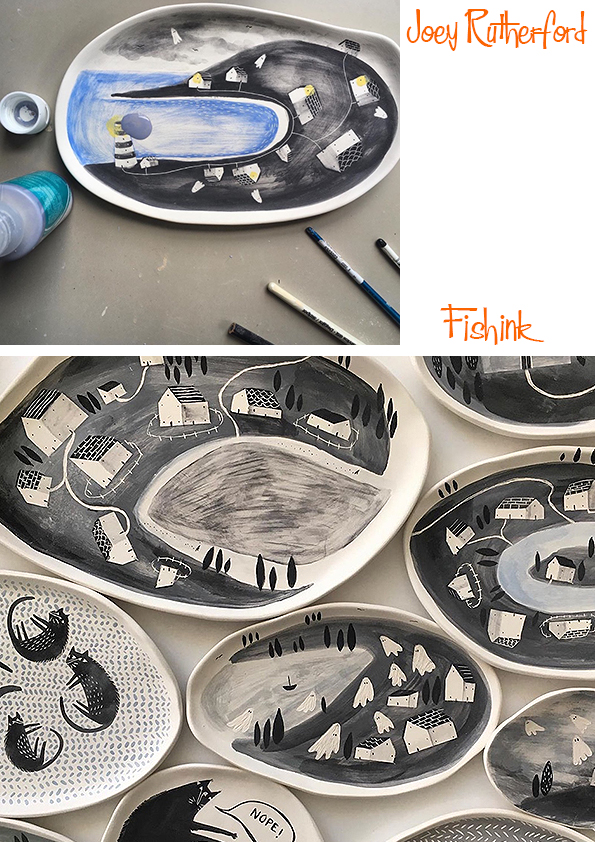
Ceramics, jewellery and paintings too.

How important is your sketchbook in creating your ideas in clay? How much time do you spend drawing and painting ?
My sketchbook is empty, I buy them as it seems the right thing to do and then I never touch them. During my Foundation I was constantly retro-actively making sketchbooks by sticking drawings together in a book to try and show my process, but no more ! I love seeing other peoples sketchbooks, and it’s always the first thing I go to in an exhibition, but they just don’t work for me. I do draw and paint but I always skip the drafting and just go straight for the end result, which obviously never works the first time because I skipped all the sketching. I am at peace with it now.

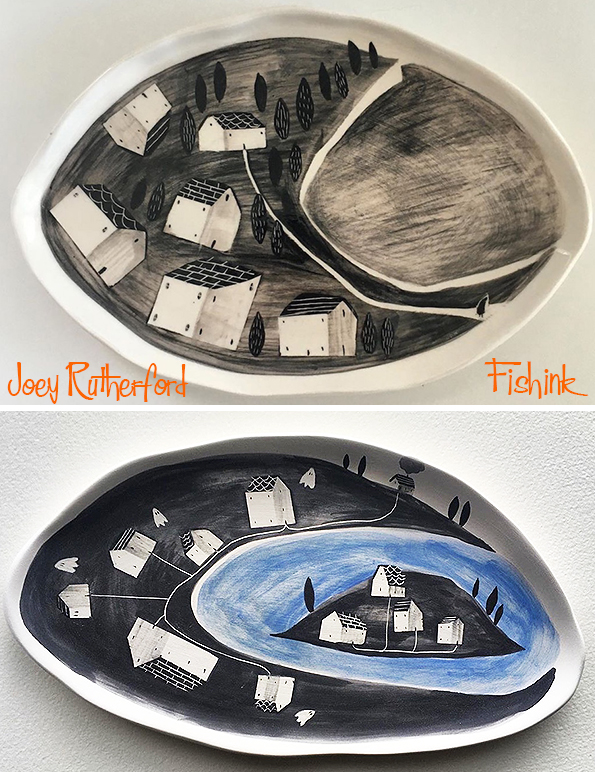
Something for everyone, and do you think Joey will ever get bored of painting cats…

Where do you see the future for your ceramics ? Any new ranges still to be made or places you would like to sell or exhibit your work?
I have a list of so many things I want to make, what I lack in sketching I make up for in lists. I am hoping that I’ll have some lamps soon, I love lamps. Also I am working on a series of tiles based on the river Thames and, of course, more things with ghosts and cats on them. As for where I would like to sell my work, I am a sucker for a gift shop, and would love to see my work right between the fudge, tea towels and the inexplicably bouncy balls.
Thanks again, Joey for your informative and entertaining replies. More from Joey on her Instagram account here and in her Etsy shop here. What is your favourite aspect of Joey’s work ?
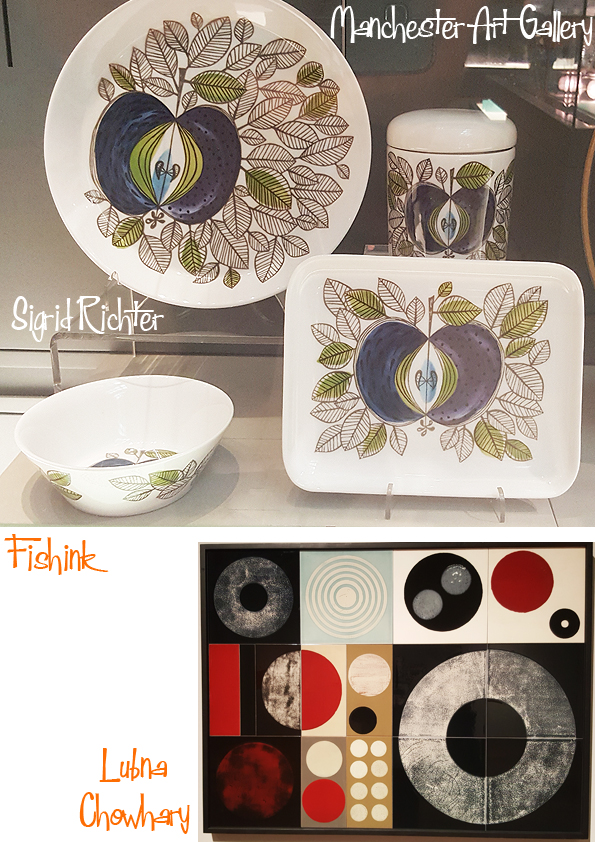
Nordic Craft and Design at Manchester Art Gallery
Perhaps it’s not coincidence that I settled in Manchester with two of my favourite galleries on the doorstep. A year ago I visited the City Art Gallery to see this exhibition of Nordic Craft and Design. I thought it was worth an online revisit.
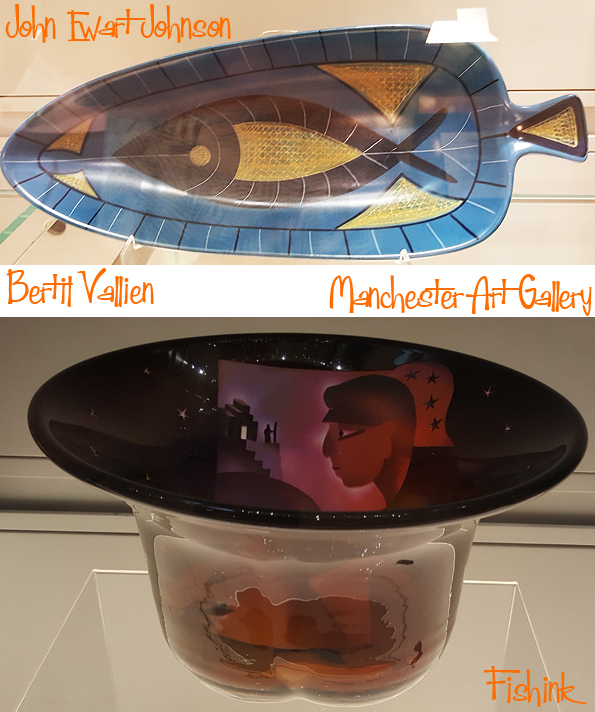
Let’s start with some stylish glassware.


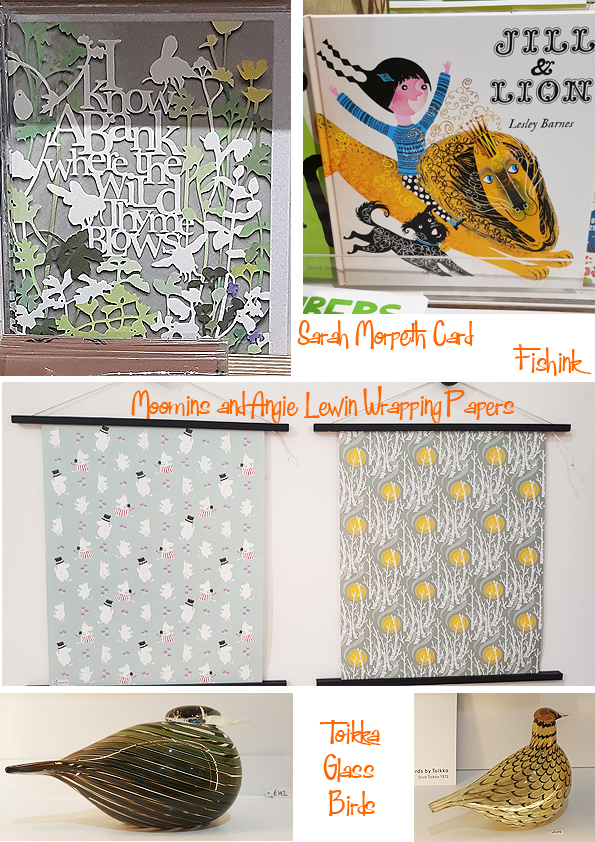
It wouldn’t be a true Nordic exhibition without a glimpse of the Moomins.

This amazing dress was worn by Bjork for one of her concerts, I also admired the beautiful Ribbon Chair by Katie Walker.

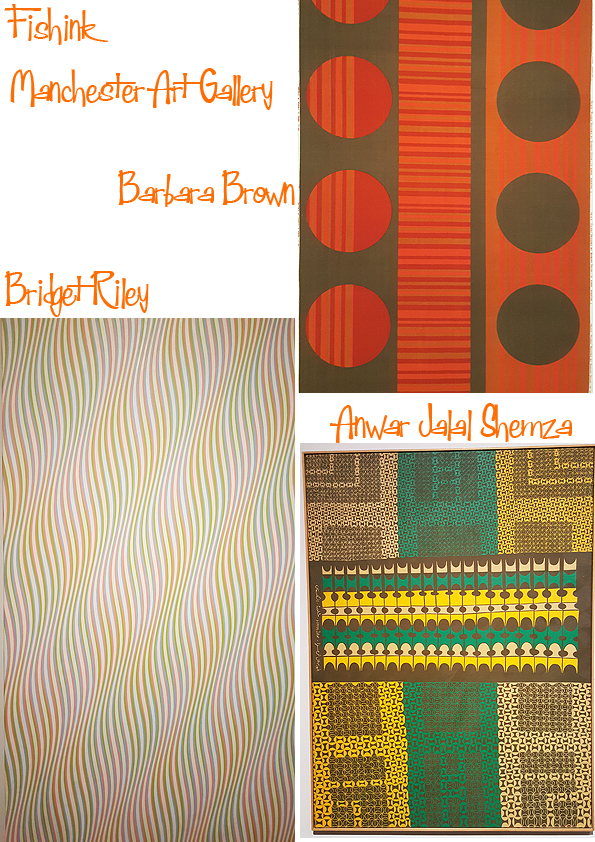
I really enjoyed seeing some retro fabrics from the 60’s and 70’s.

Unusual bag with etched wood and fabric, depicting a forest scene.
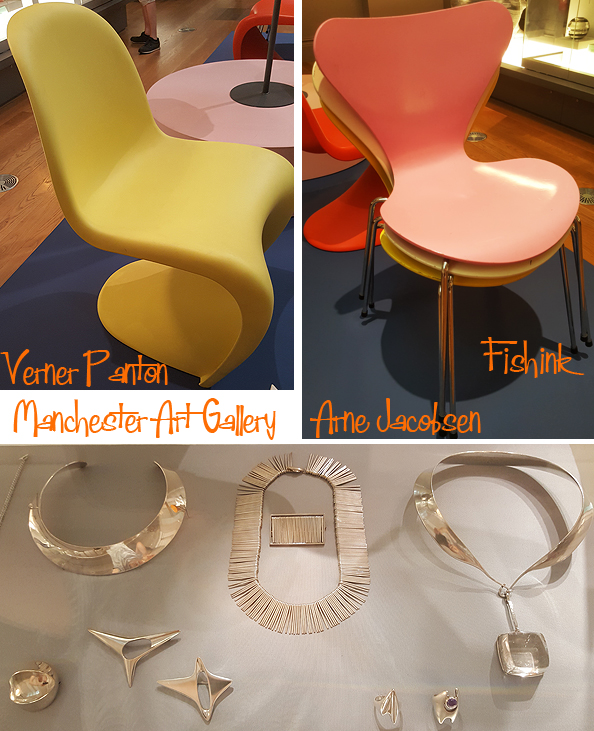
Two famous shaped chairs that proved to be exceedingly popular (and probably well copied) worldwide.
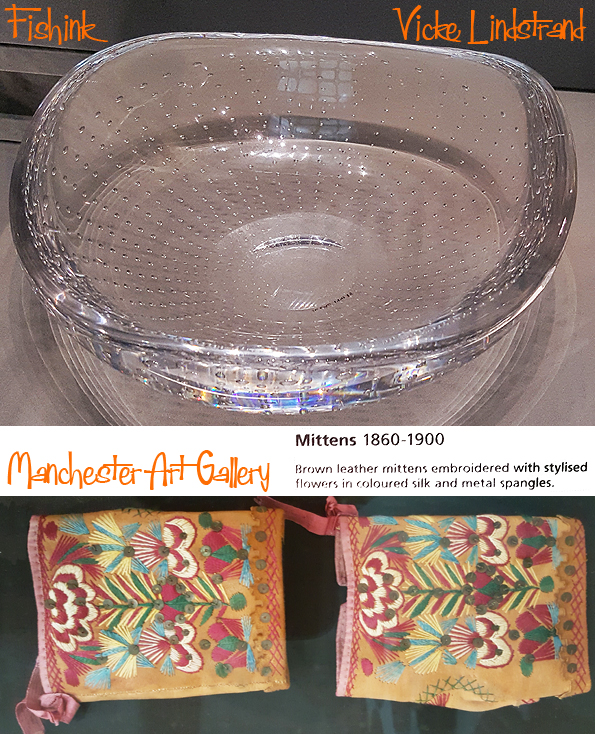
Amazing detail in these embroidered gloves from the late eighteen hundreds.

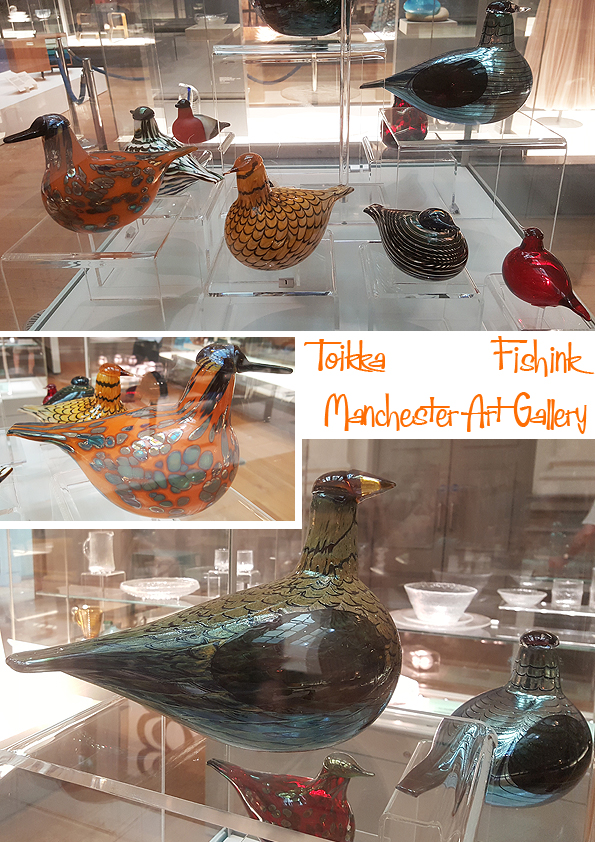
Not seen these wonderful glass birds by Oiva Toikka before, they even had a few for sale in the giftshop.
Even some impressive lights to feast your eyes on.

Another new ceramic artist for me was Mari Simmulson. Born in 1911 and died in 2000. She was one of the leading designers for Gustavsberg and Upsala-Ekeby in the 1940s-1960s

More interesting textiles and new names to research.

A few snippets of other exhibitions on at the gallery at the moment.
Also a great new addition are some wonderful paintings on the cafe walls.

Especially these two by Nash.

Well worth having a browse in the gift shop too. I try to buy something to contribute back to the gallery.
This has just given me more desire to plan a Scandinavian trip away. Anyone want a well behaved visitor ? : )

So pleased I saw this exhibition.
Michael Robertson Updated
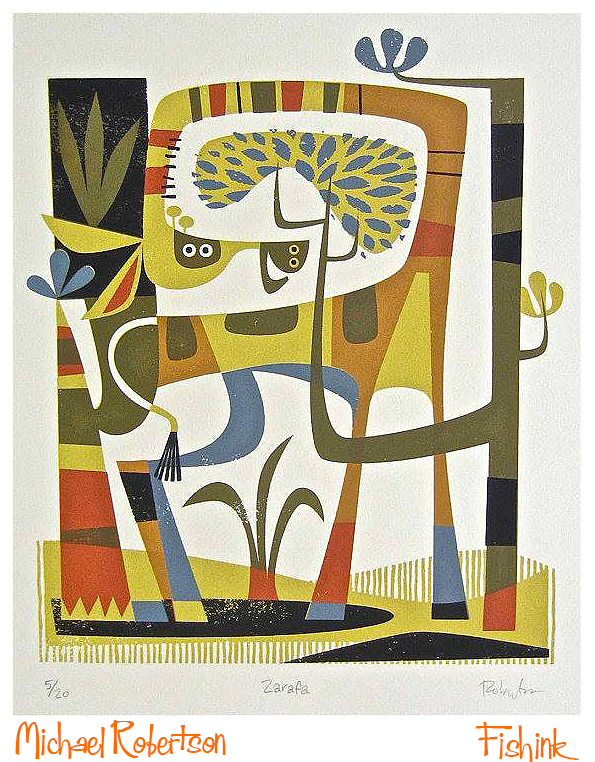
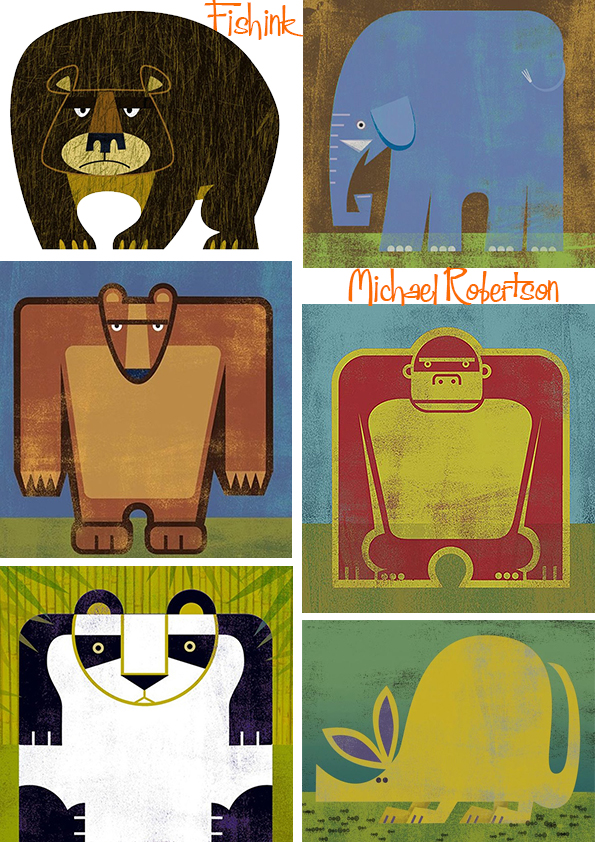
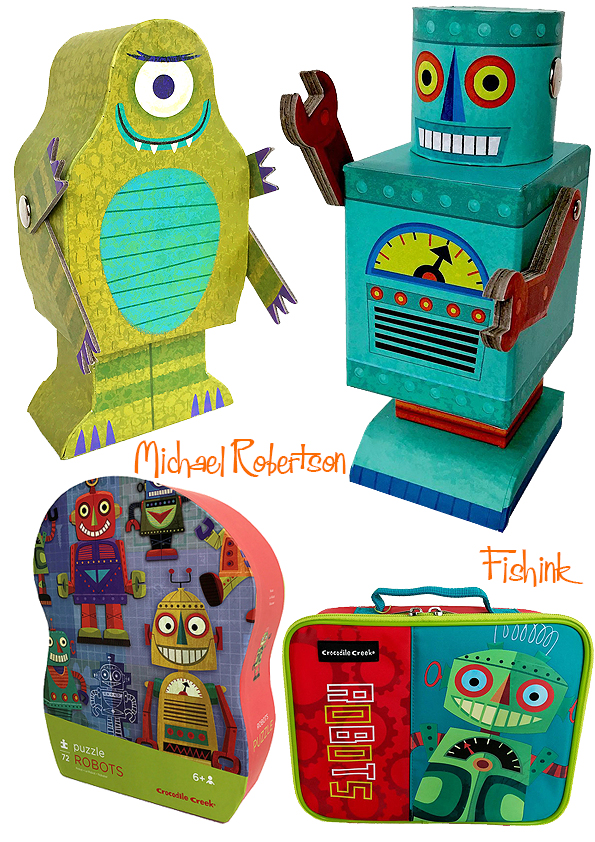
I last featured the work of Illustrator Michael Robertson back in 2011. Since following one another on Instagram for the last couple of years, I thought it was a good time for an update and so fired a few questions over to Cleveland USA to discover a little more about the artist himself.
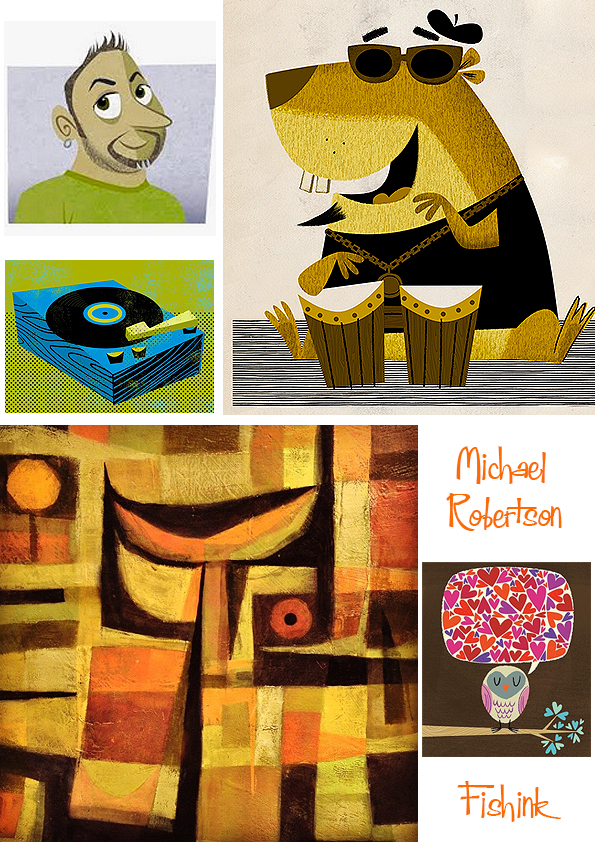

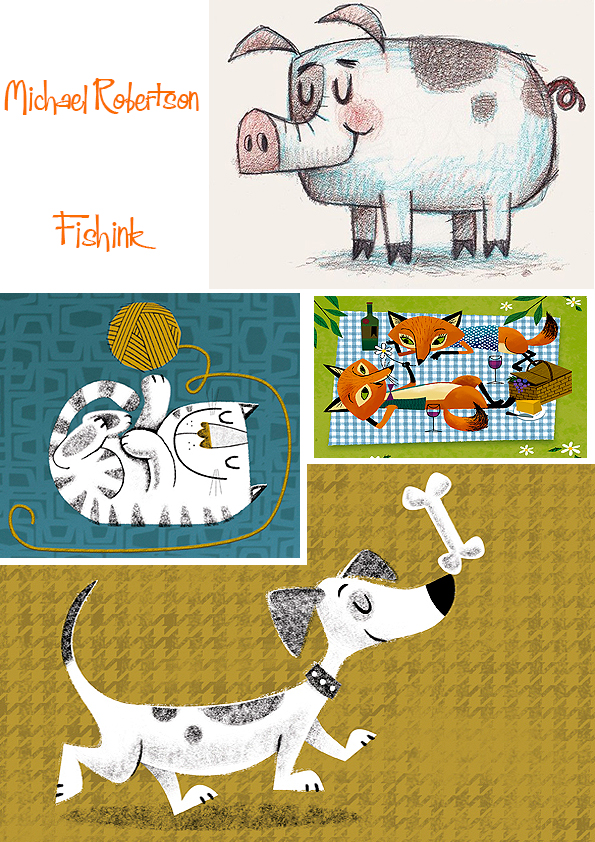

Here you can compare Michael’s early sketch to the finished artwork. The additional detail and subtle fine tuning makes the second illustration ‘POP’ !

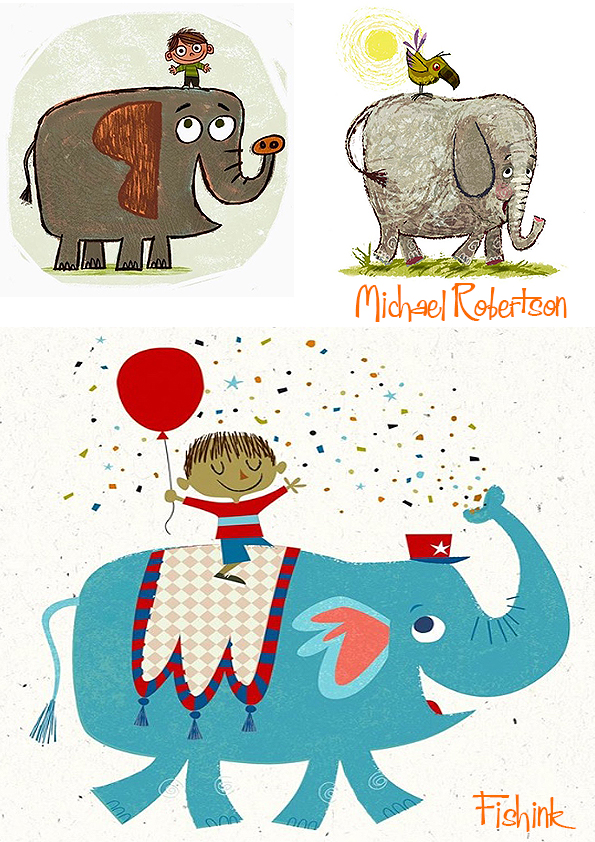


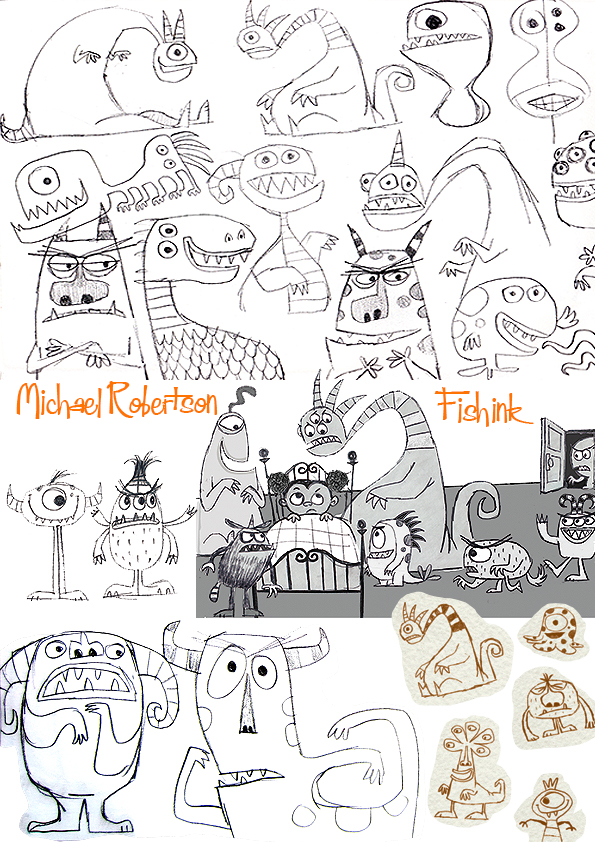
Here are a few rough idea sheets and sketchbook pages to show how Michael’s ideas develop.


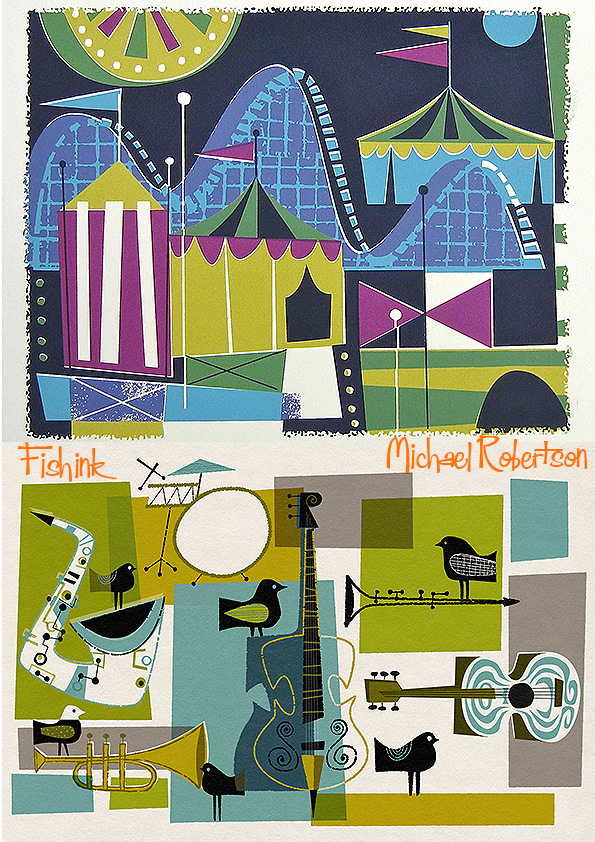
Great Advice Michael and thanks again for appearing on Fishinkblog today, It’s been fab having you drop by. You can see more of Michael’s work here.
Karen Mc Phail and Eve Campbell. Creativity running in the family
There are two words that spring to mind when coming across the work of Karen McPhail and her daughter Eve Campbell, creativity and professionalism. Both graduates of Glasgow School of Art, they presently work from their family home in Renfrewshire, where you can also book to stay in a beautiful lodgehouse or take a sailing course at Carry Farm in the surrounds of Tighnabruaich, Argyll.
As someone who personally trained and worked as a Textile Designer for 25 yrs and who now presently works as a Ceramist, I was interested in finding out how each of these creatives work and think. I set both Karen and Eva the same questions and asked them to work on their answers separately. Here’s what I discovered, first Karen.
What are your earliest memories of doing something artistic ?
I think my earliest memory of creative activity was watching my dad make plaster reliefs in a tiny box room in the upstairs of our house. I distinctly remember the smell and consistency of the white plaster. Thinking back now I’ve no idea what he was actually making but he was an architect and had just finished building our house so I suppose the material was close to hand.
Who was your main/earliest, encouraging influence on becoming a creative person ?
My dad was definitely a creative inspiration, always making and building things. There was a confidence that came from knowing that if you want something you can make it. My gran (dad’s mum) was a embroiderer for Coats Thread Mill in Paisley and she always had sewing projects on the go. She was patient in helping my sister and I make little felt animals and peg dolls. She made me a simple school pinafore and I remember her constructing the paper pattern and then translating that into fabric. Yet again there was the confidence of using materials.

Who inspires you as an artist and who’s work is either influential or pleasing to follow in contemporary circles ?
Obviously I’m inspired by numerous artists and makers. In my final year of art school the sculptor Eva Hesse was a big influence. When my 3 children were young children’s book illustration gave me a lot of pleasure, John Burningham, Maurice Sendak, and Tove Jansson and many others. I think their ability to create ‘worlds’ from their imagery was an influence on my work today. The ceramicist Makoto Kagoshima currently makes work I greatly admire.
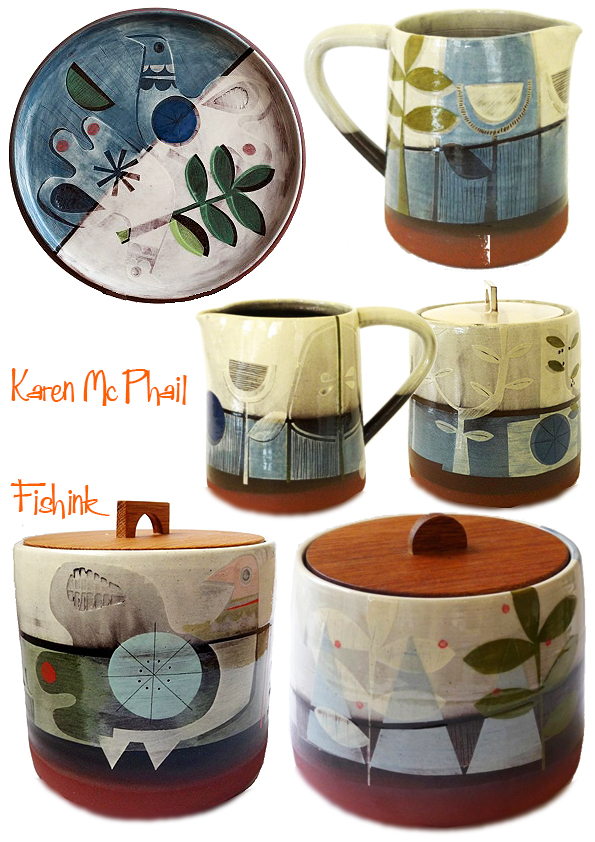
What is your favourite type of work to create and what parts of your creative process do you like the most/least ?
Part of the appeal of ceramics has always been the processes involved in turning raw clay into a fired and perhaps functional piece of work. I really enjoy every stage, working with materials and tools, trying to work out new ways of doing things. Decorating is probably my favourite time and glazing, after the first bisque firing, is definitely my least favourite activity. Opening the last firing is like Christmas morning and is a enjoyable end to the whole cycle, and then it is back to the start with raw red clay.
Karen, I can really associate with all of those feelings : ).
How does living and working in such creative surroundings play a part in the work you create ?
Working at carry farm with beautiful wild shore and woods right on our doorstep can’t help but influence my imagery. Living in such close contact with nature, changing seasons, and patterns of weather means that everyday I notice details of structure or colour combinations that infiltrate my work. My husband , daughter and sister also have studios at carry farm and we constantly consult, help and constructively criticise (!) each others practise. My brother in law has a mechanic workshop/boat yard next to our studios and so practical help is always on hand. It is a fun place to work and live.
It sounds idyllic.

Where do you see your work going in the next 5/10 years ?
I hope that people continue to want my work in their homes and that enables me to continue making.
Is there anywhere you would most like to see your work displayed or someone you would really love to collaborate with ?
I make my work hoping it will give people pleasure in their homes. Whether a daily interaction in a tactile mug or biscuit barrel, or a plate or candle holder for special occasions. I also like hiding little bits of work in nature. I took part in an archeological dig last summer and I’d love for my work to be buried perhaps to be found by a child in the future!
During lockdown my husband and I set up dreyworkshop to combine our skills in wood and ceramic. My family are probably ideal collaborators. It gives me particular pleasure to see Eve’s work develop and follow her interactions with other makers etc.
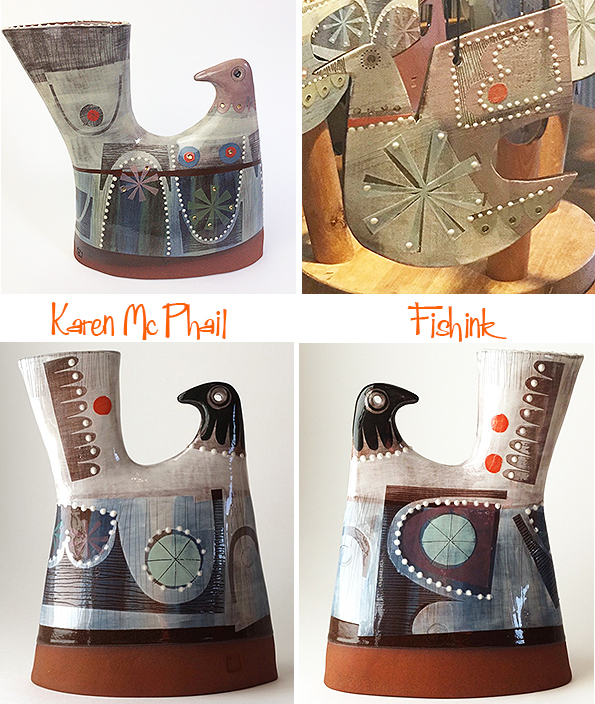
Where did your imagery of bird, arches and people first originate ?
I have only lived at carry farm for 2 years, previously I lived and worked in the house my dad built. During that time I remember driving through Glasgow and seeing a tree shadow cast on a building. The image struck me as exactly what I would like my work to project. The wonder of nature and it’s relationship to the built environment and people. Growing up Eve kept doves in our garden. The way that the birds were free but became connected to her and our house was an inspiration and the bird motif combined with architecture and figures became a regular feature of my work. On graduating Eve did a residency in an Italian silk mill. While there she visited St Marks Basilica in Venice. On her return home we poured over images of her trip and I found the cathedral mesmerising. The combination of architecture and nature through the use of stone, clay, coloured pigments felt connected to the more humble shapes seen in ruins around the Scottish west coast.

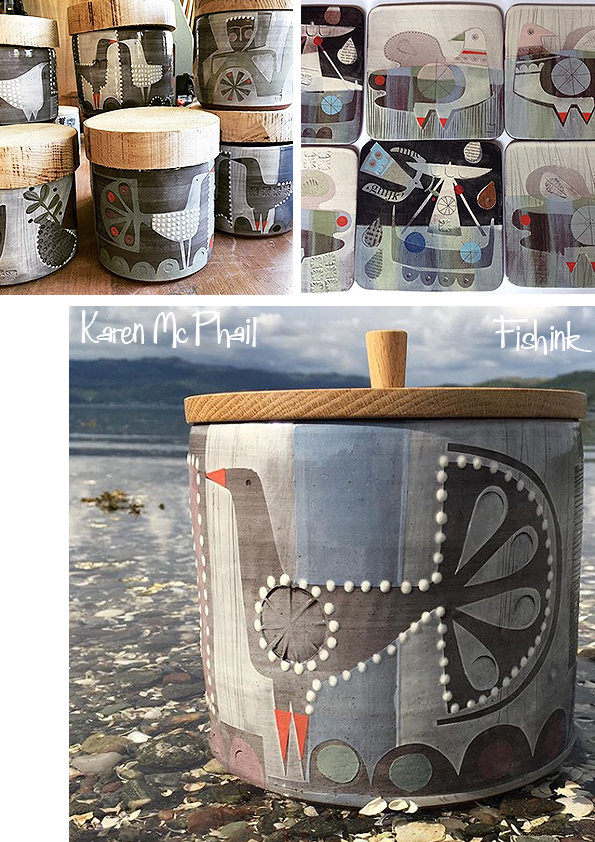
Karen states :- “My aim is to create visually satisfying objects for domestic environments that have a quality of surface and pattern, and that appeal to our sense of touch. My process involves layers of bold and playful decoration while retaining the inherent warmth of red earthenware clay. Simple forms are made on the wheel, handbuilt or using plaster moulds. I collect imagery from daily life and nature to make paper collages and, before the first firing, coloured slips are brushed on to the ‘leather hard’ pieces using cut paper stencils. Newspaper lettering on the final work echoes this process. Layers of applied slip produce a subtle raised decoration and can be drawn though to reveal the red clay beneath. A second glaze firing is followed by a third for the application of printed decals. ”
Such beautiful work Karen.
Now onto Eva’s questions.
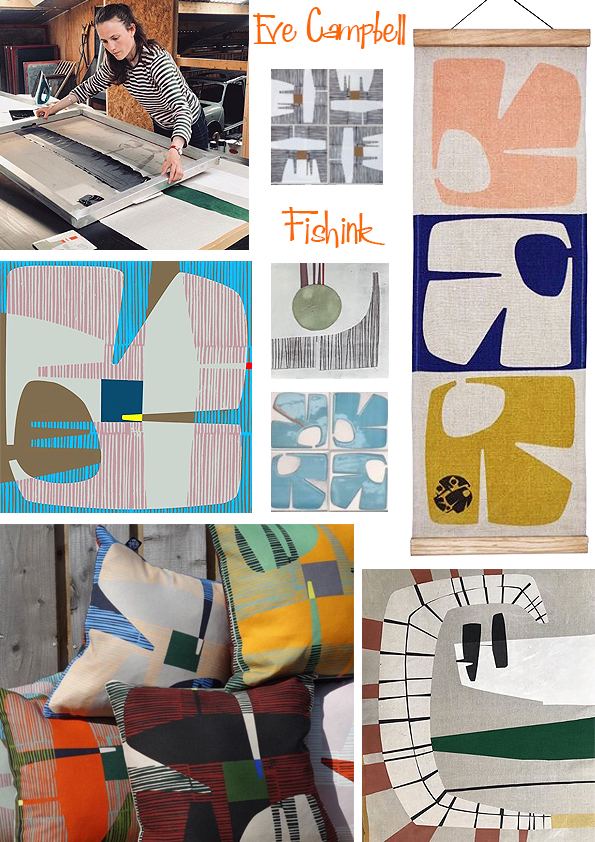



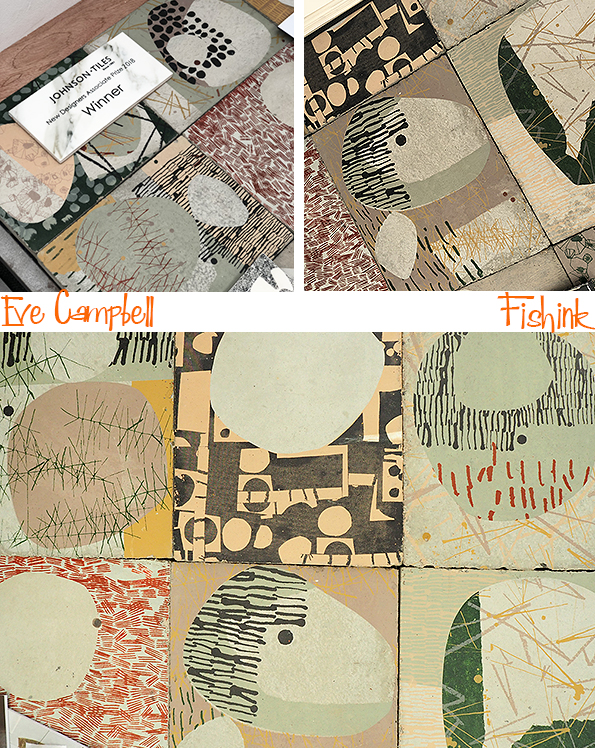
In 2018 Eve was a winner in a competiton for Johnson Tiles and as a result got to turn some of her paper ideas into ceramic tiles.
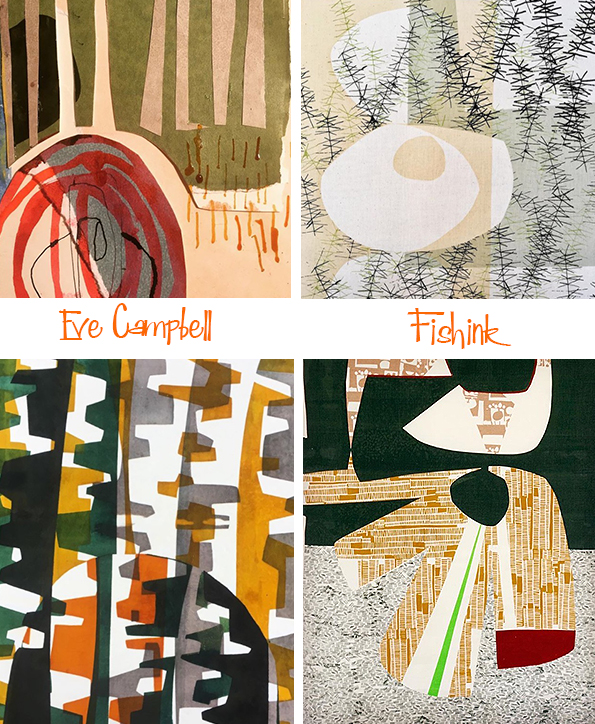
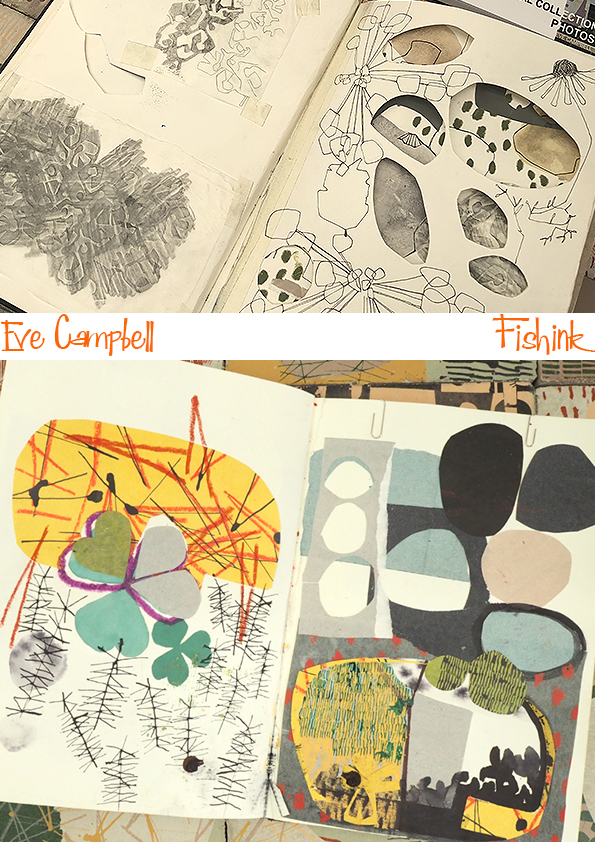
Her sketchbooks are full of energy and ideas.
She was also asked to work with high street brand “White Stuff” and created a line of textile designs for their stores last year. (More info here.)


Thank you to both Karen and Eve for taking time out of their busy day to answer my questions. Such inspirational and creative work from both of you, it makes me excited to put this post together and I look forward to seeing where your ideas take you from here. What do you think readers ?


 fishinkblog.com