The Waterside Open, Sale, Manchester, UK.
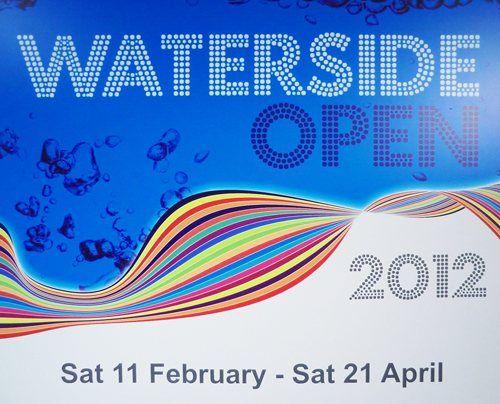
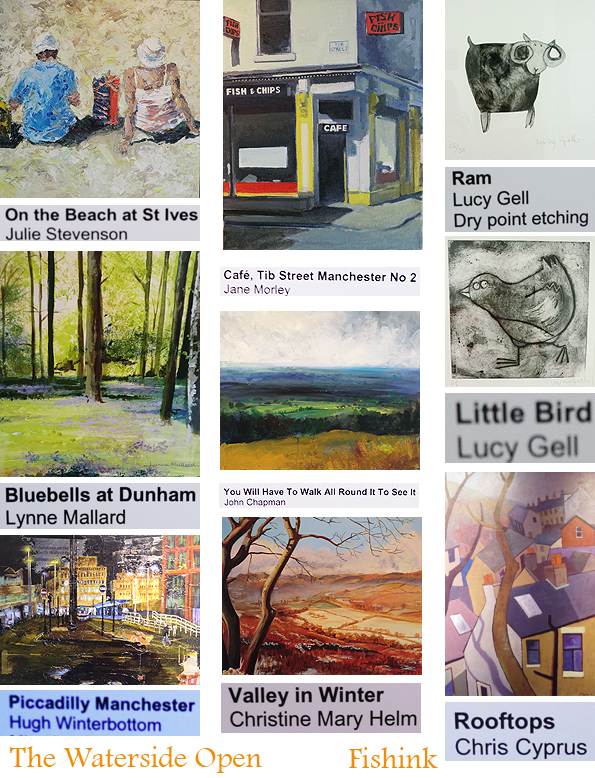
Thursday was a fine St David’s Day and was truely like spring had sprung with sunshine and blue skies to start the month with a smile. I took a walk along the canal and came across a great exhibition at the Waterside Arts Centre in Sale, Manchester, that runs until the 21st April. The exhibition features a wonderfully diverse range of art forms and creative practice. Disciplines include photography, painting, printing, textiles, ceramics, sculpture and film. Here’s a selection of some of the pieces I enjoyed.
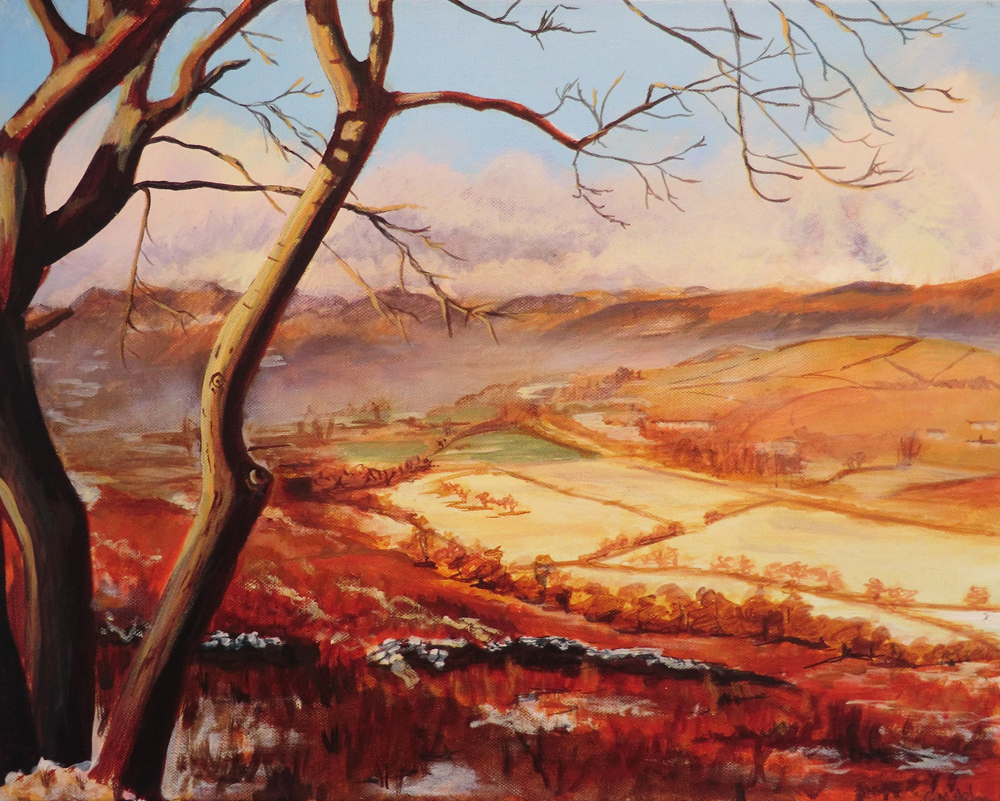
I loved the colours in the ‘Valley in Winter’ painting, here it is in close up.

A lovely arrangement of butterflies by ceramist Sarah Malone.
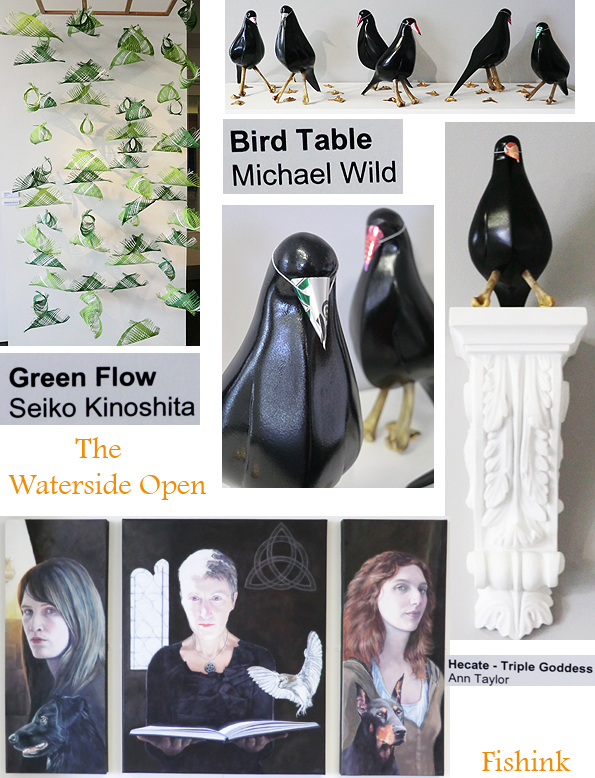

I also thought the waterfall and birds had great movement and the shadows behind the birds added another dimension to the hanging.
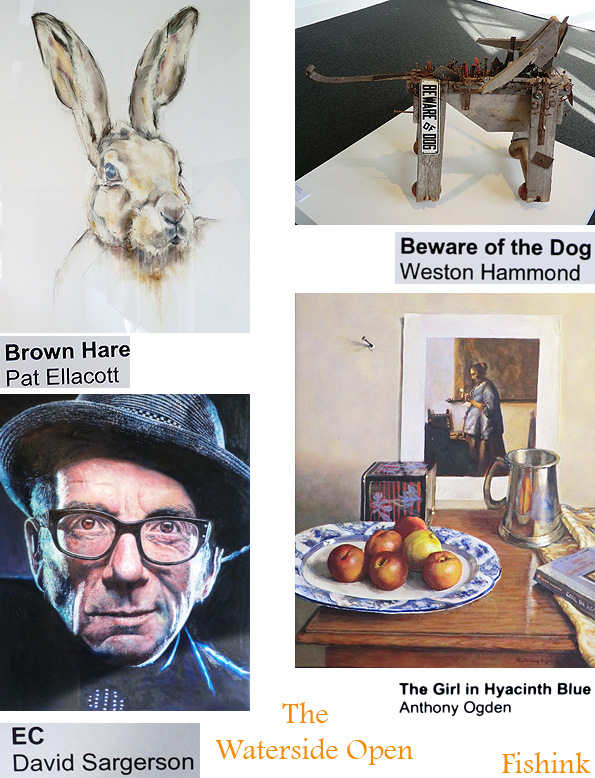
Personally the most appealing was Anthony Ogden’s ‘The Girl in Hyacinth Blue’ (above) for both it’s nod towards the work of Vermeer and for it’s fine depiction of the reflective tankard and the bowl of fruit, something of a a painterly snapshot. First prize went to ‘Beware of the Dog’, with Elvis Costello coming in third.

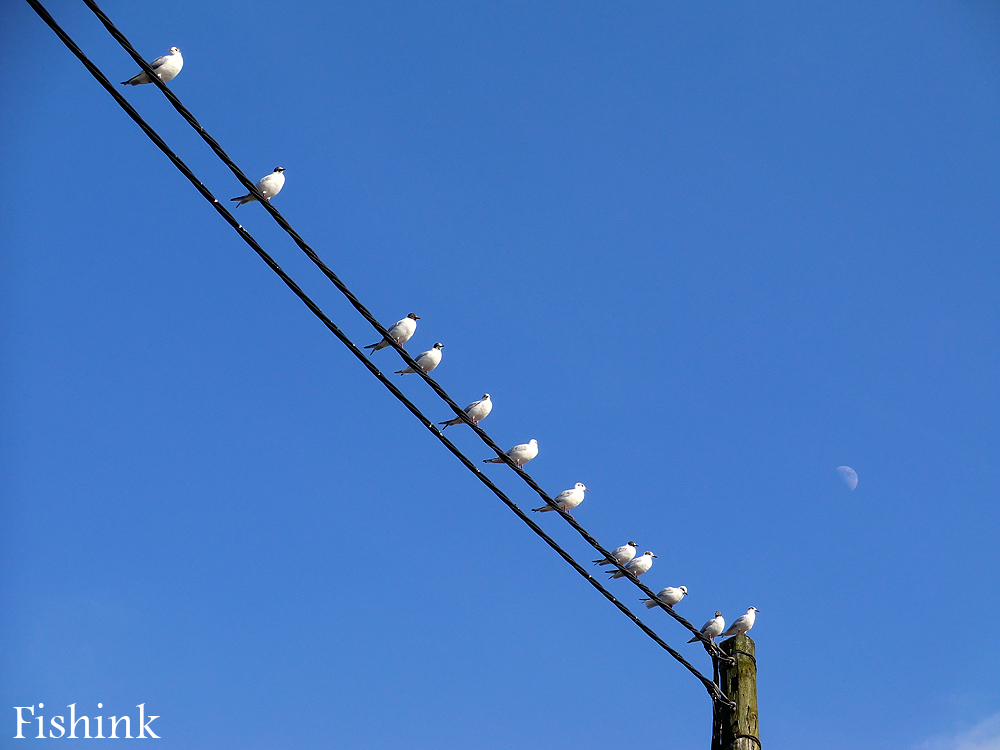
This shows you what the queues were like to get into the exhibition and also how blue the sky really was. Well worth a visit if you’re in the area.
Fishink in Dorset Part 3. Sherborne, Child Okeford, Eric Ravilious, Liz Somerville and Bath in Somerset.
A few last memories to share with you from my travels of last week. Firstly the pretty ochre coloured, Ham Stoned, Sherborne. The architectural writer Sir Simon Jenkins calls Sherborne “the prettiest small town in Dorset”. It’s a historic, unspoilt town with two castles (one built by Sir Walter Raleigh), a lake and a magnificent Abbey.

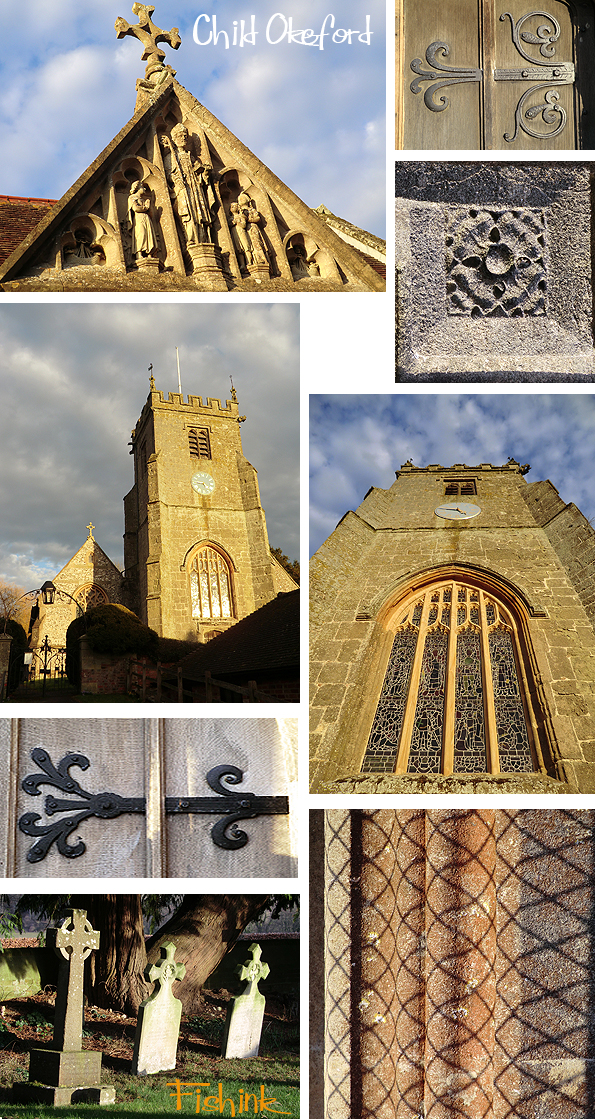
Another pretty village is Child Okeford and we found the church there bathed in late afternoon light.
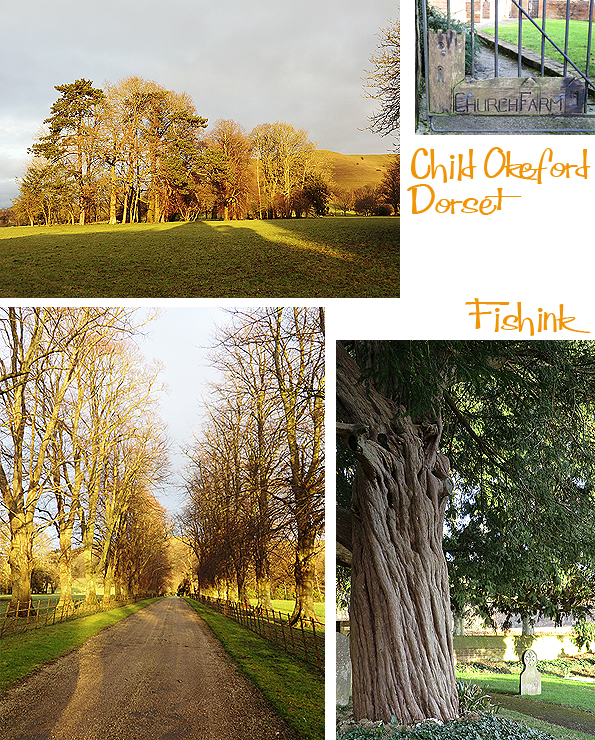
Some stunning countryside around that area too.
I looked back at some of the work of Eric Ravilious today and not only understood why he loved this area of the country so much and continued to paint it over and over again, but also why I felt a such a strong connection both to the area and also to his work.

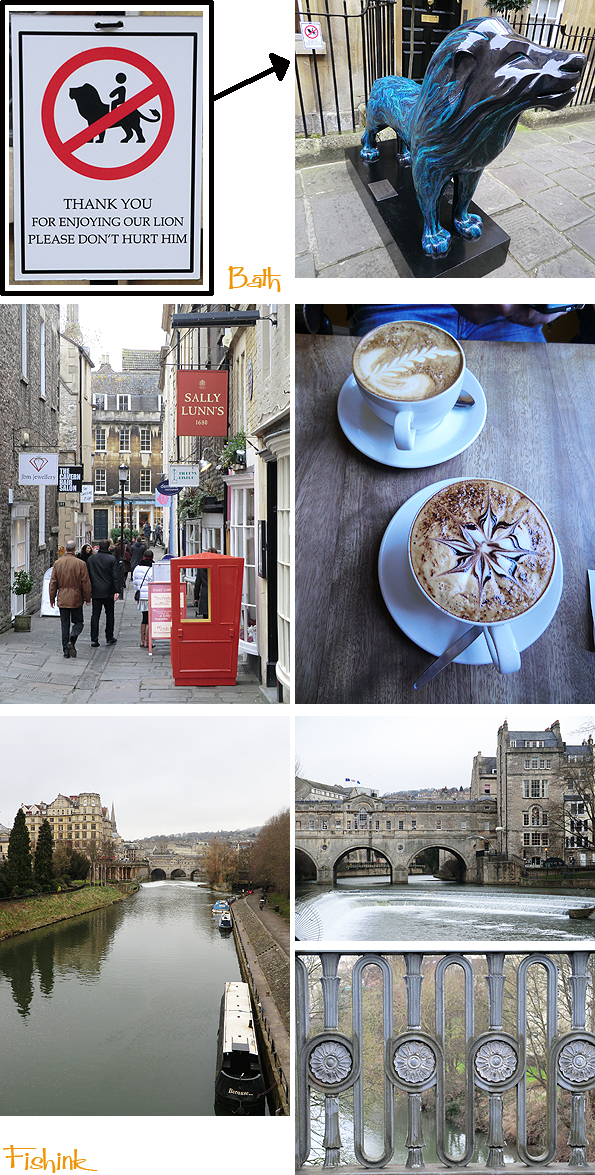
Then at the end of what has been a stunning week away, we stopped off at Bath in Somerset for a quick hot legged look at the city. I like how they treat their painted lions.
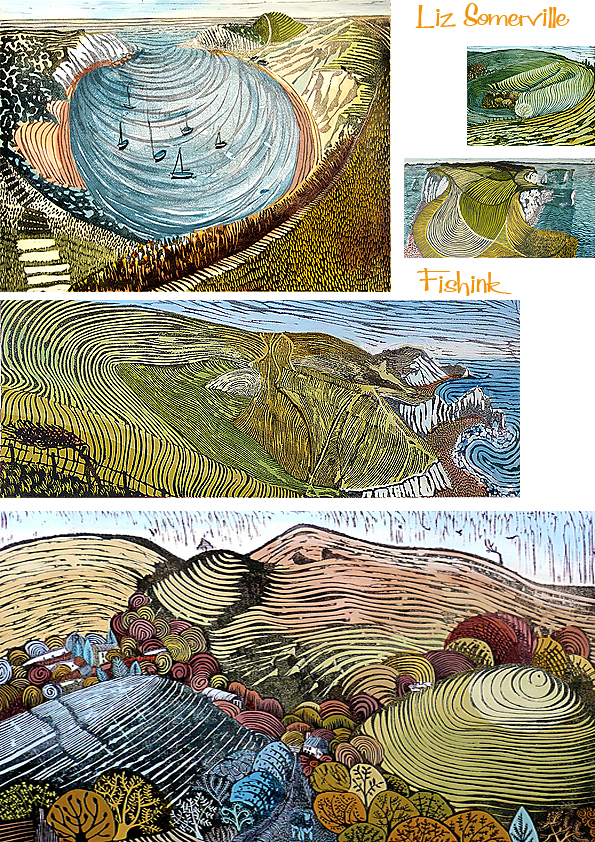
Whilst preparing these blogs this week, I also came across the amazing work of Dorset artist Liz Somerville who’s work also reminds me of the sheer beauty of this area. Especially the coast and undulating green hills and valleys. Liz is inspired by the work of Ravilious, Paul Nash and Edward Bawden and quite bizarrely has an exhibiton on in Child Okeford at The Art Stable, this is on now until March 25th so if you’re in the area do pop along.

And so we headed home, with just two quick pictures taken on the motorway drive back to Manchester, to remind me what a magical week can be like.

Thanks again to my fab partner for the inspiration and surprise week away in the first place.
Fishink in Dorset Part 2. Maiden Castle, Chesil Beach, Shaftsbury, Fortmell Magna and more.
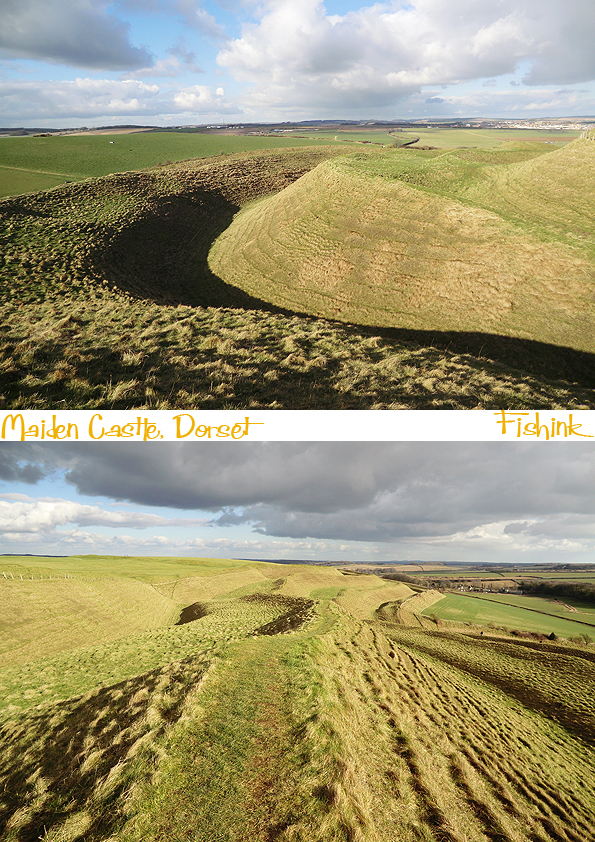
More from my travels from last week. We came across Maiden Castle, the largest Hill fort in Britain. It’s hard from the images to really appreciate it’s scale, but it is actually the size of over 50 football pitches and once home to several hundred people during the Iron Age (800 BC – 43 AD). There are many hill forts in this area, but as I said, this is by far the largest.
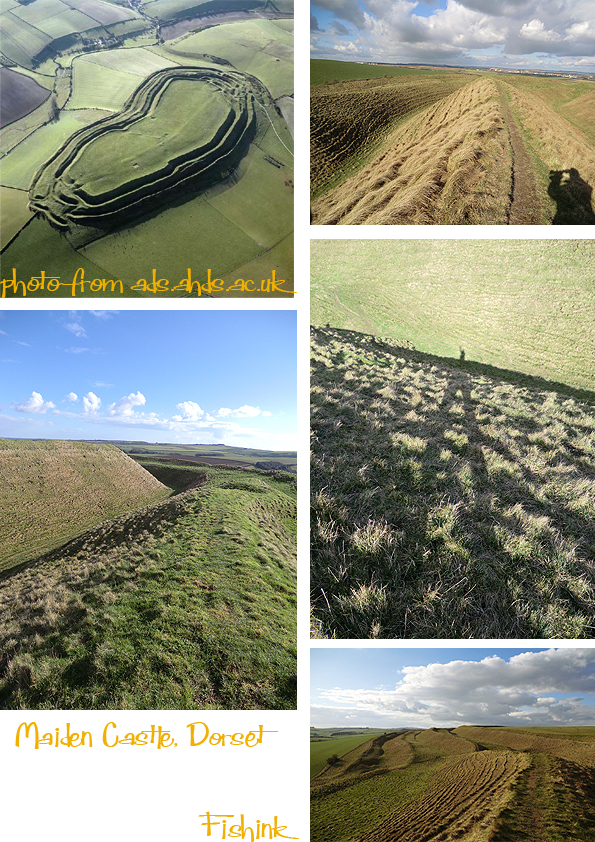
The trenches are really quite deep and on a sunny day the curves and undulating slopes are beautiful in the way they catch the light. I wonder how long it took to create and how many thousands of tons of earth were moved to create it. A remarkable place.
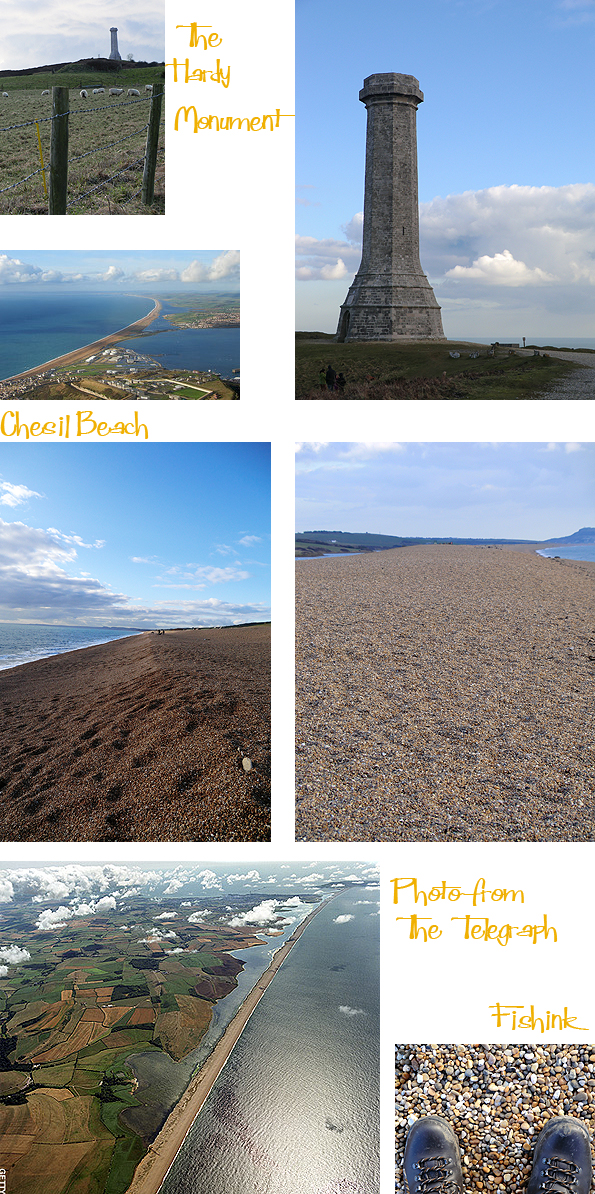
We made a slight detour to see the Hardy Monument, not as I originally thought for Thomas Hardy, author and literary god in that part of the country ! but instead erected in 1844 in memory of Vice-Admiral Sir Thomas Masterman Hardy, Flag-Captain of HMS Victory at the Battle of Trafalgar. I do hope that if I ever have a monument created in my memory that it’s a much nicer shape lol. I was vastly more inspired by the remarkable natural formation that is Chisel Beach. This shingle beach is 29 kilometres (18 miles) long, 200 metres (660 ft) wide and 15 metres (50 ft) high, and approximately over 6,000 years old. It was formed by being pushed onshore by rising sea levels, and consists of an amazing 100 million tonnes of pebbles !
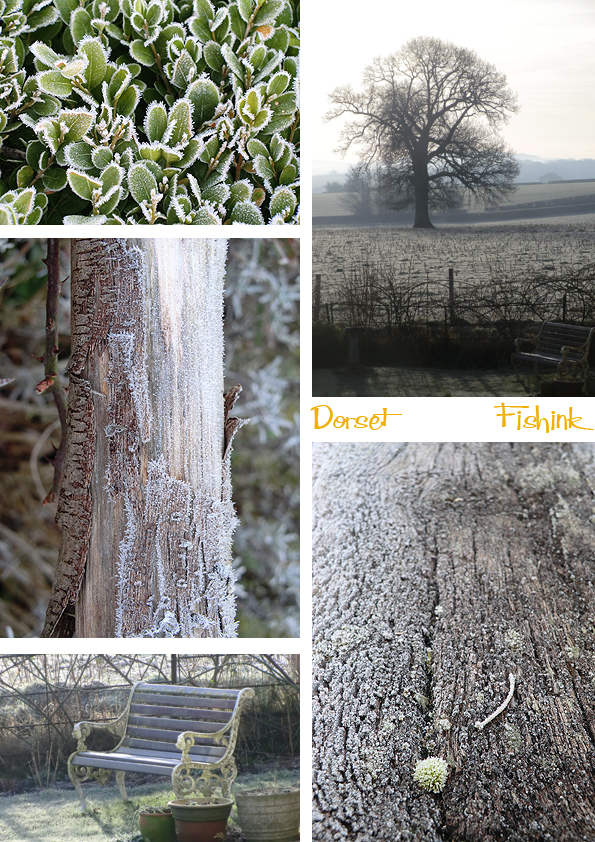
It wasn’t a week without it’s high and low temperatures, here’s what one morning looked like. Brrr !
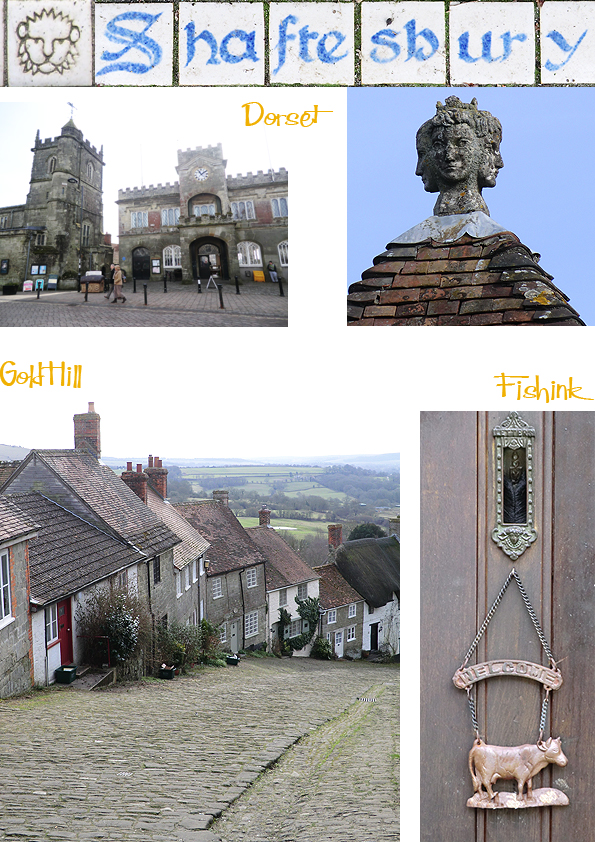
Next up the town of Shaftesbury and it’s well known Gold Hill. Described as one of the most romantic sights in England, it’s also features on book covers, chocolate boxes and the 1973 Boy on Bike Hovis advert.
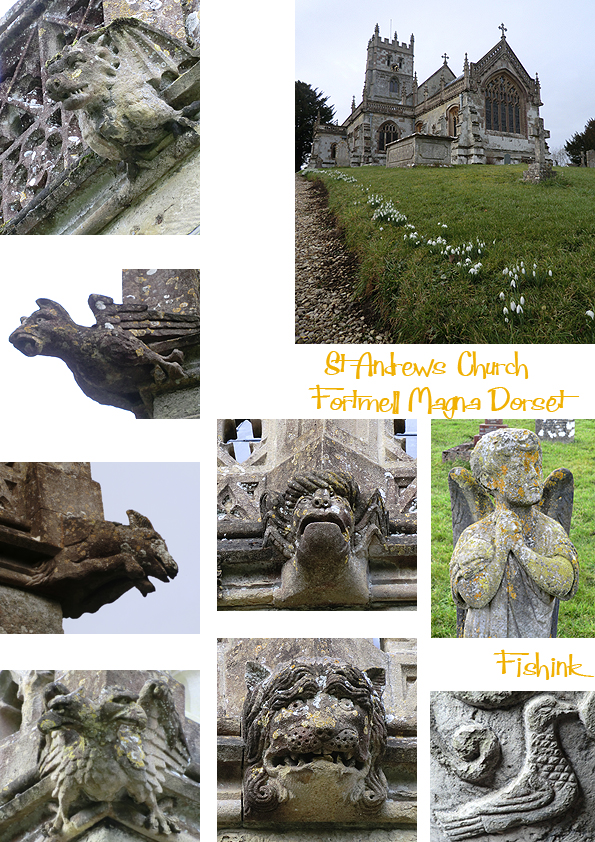
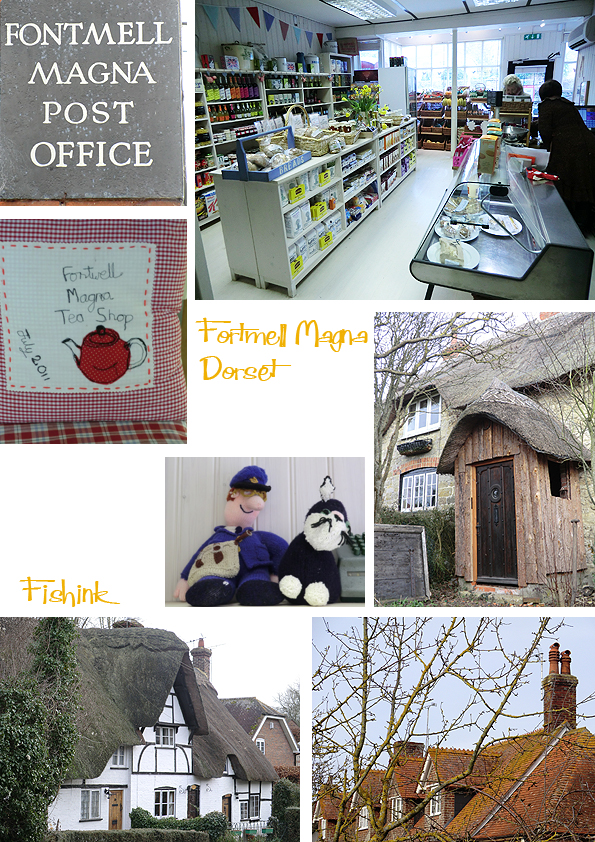
Due to the Romans liking the area of Dorset, we’re left with such great names as Blandford Forum, Kingsbury Episcopi and Fortmell Magna. St Andrew’s Church is in the latter and is an amazing find. Apparently there has been a church on the site since before the Domesday Book of 1086, however only the lower part of the tower of the original church remains. During 1862 – 3 it was almost completely rebuilt to a design by the Wimborne architect, George Evans, who was responsible for four other Dorset churches. I’ve never seen so many ghoulish guardians and colourful stained glass windows in one place before.

The old post office has been lovingly restored and is now not only a place to post your letters but a delicatessen. They offer a range of healthy local, organic produce, artisan breads, delicious cakes and coffees. I even spied a knitted Postman Pat and his black and white cat ! You can get a feel for the area by seeing some of the other local houses.
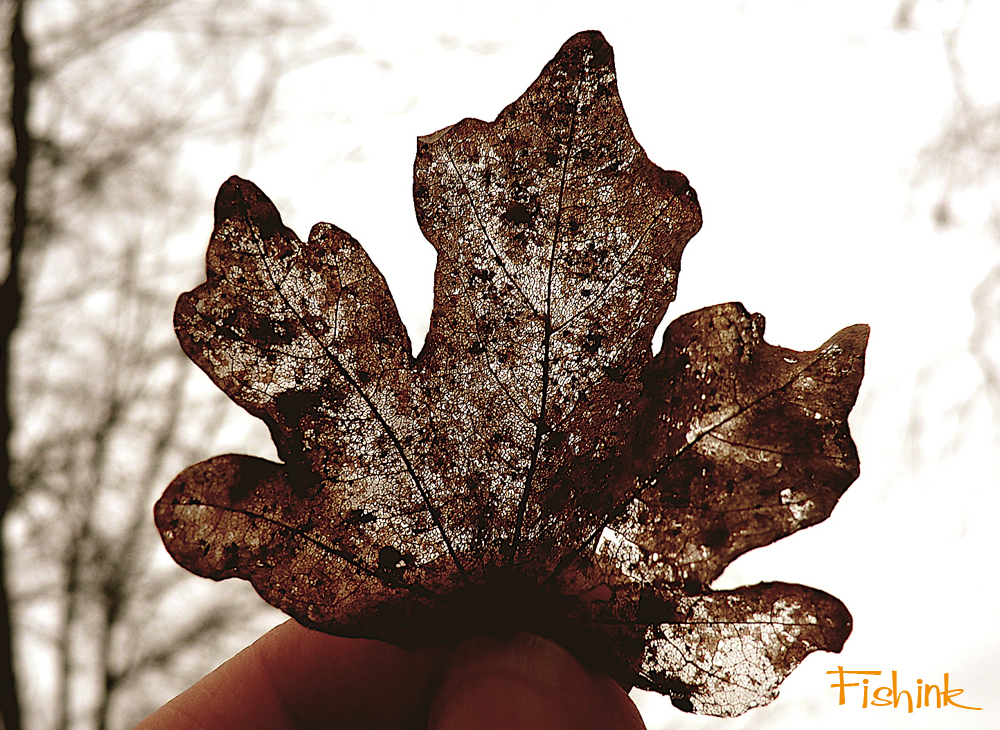
I was also inspired to create some new beasts on my own whilst I was there.

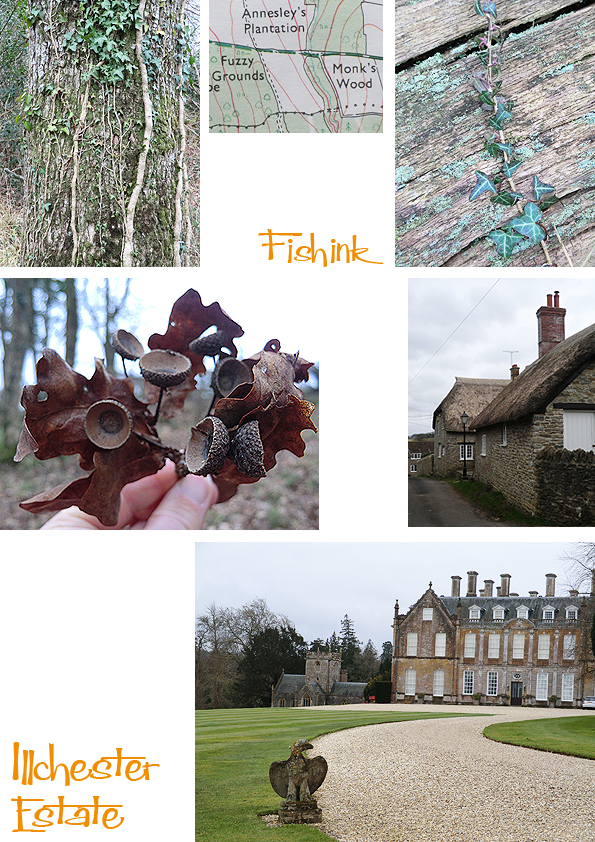
We went for a rather wet and muddy walk around a superb area called the Illchester Estate. It is owned and controlled by the twice-married keen huntswoman Charlotte Townshend. She also owns much of Holland Park in London and the surrounding area, large areas of the West Country, including the Fleet and Chesil Beach, no less. We had our sandwiches in Monk’s wood next to Fuzzy Grounds and marvelled at the beautiful woodland. This first tree had a whole forest of Ivy growing up the trunk.
There’s a final instalment on Dorset life to come on friday. You didn’t know this was a trilogy did you lol
Fishink in Dorset. Cerne Abbas Giant, Thomas Hardy country and more !
Hello one and all and welcome back, or rather should I welcome myself back from a small escape down to Dorset. My fab partner surprised me and booked a week away in a cottage, right in the heart of Thomas Hardy country, based in the tiny village of Marnhull. This was the cottage.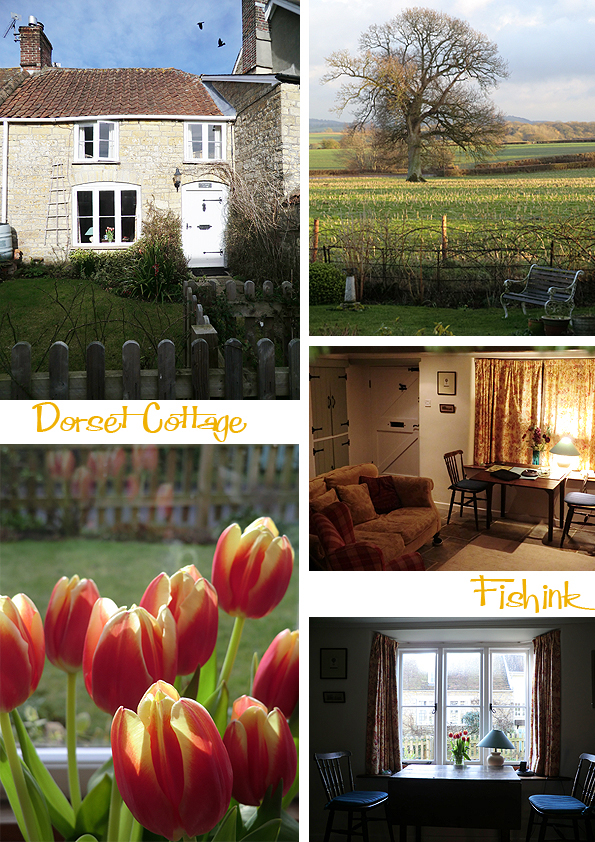
and inside there were many delights to discover and appreciate too including a wood burning stove for those wintery evenings. Although (as you can see below) there were some rather odd neighbours !
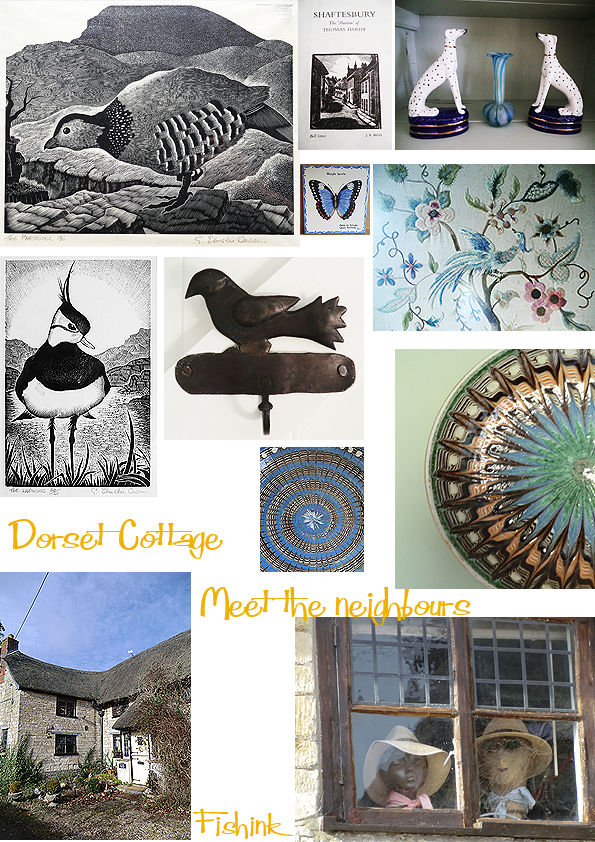
The Marnhull Messenger tells us that the village is featured in Thomas Hardy’s Tess of the D’Urbevilles but called Marlot, and the tv adaptation of Tess was also filmed there too. Many local towns have references to Hardy, like this lovely cottage.

There were great walks from the doorstep down along the banks of the river Stour. Which reminded me of a childhood love for the programme ‘Out of Town’ which I used to watch as a teenager every sunday lunchtime with my dad. It was presented by Jack Hargreaves who often fished in the Stour and chatted to the camera audience about a varied array of rural pastimes and professions that were sadly slipping away. I could hear his soothing and informative talking in my head as I wandered down the lanes and footpaths.

Not too far away was the beautiful Cerne Abbas, home to one of the white chalk figures well known to the area.

The monastry is well worth a visit too.
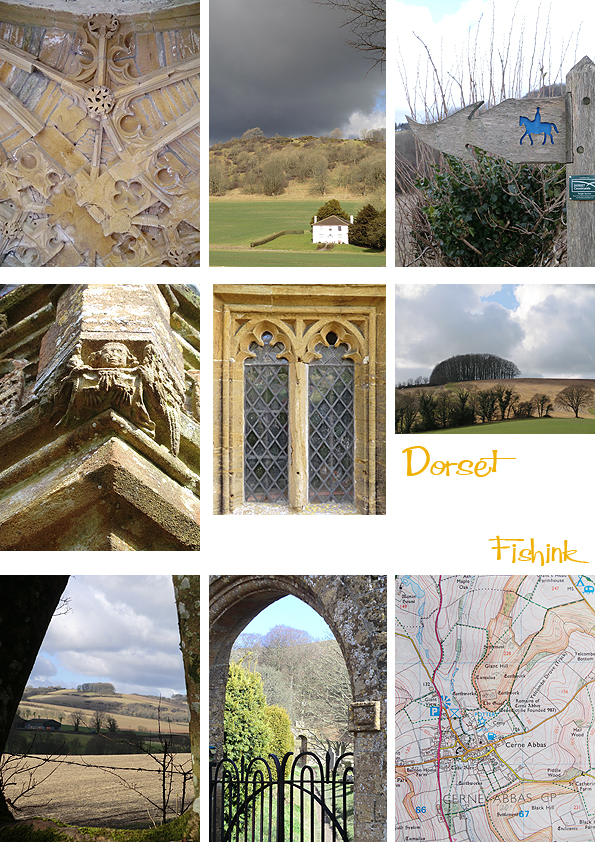
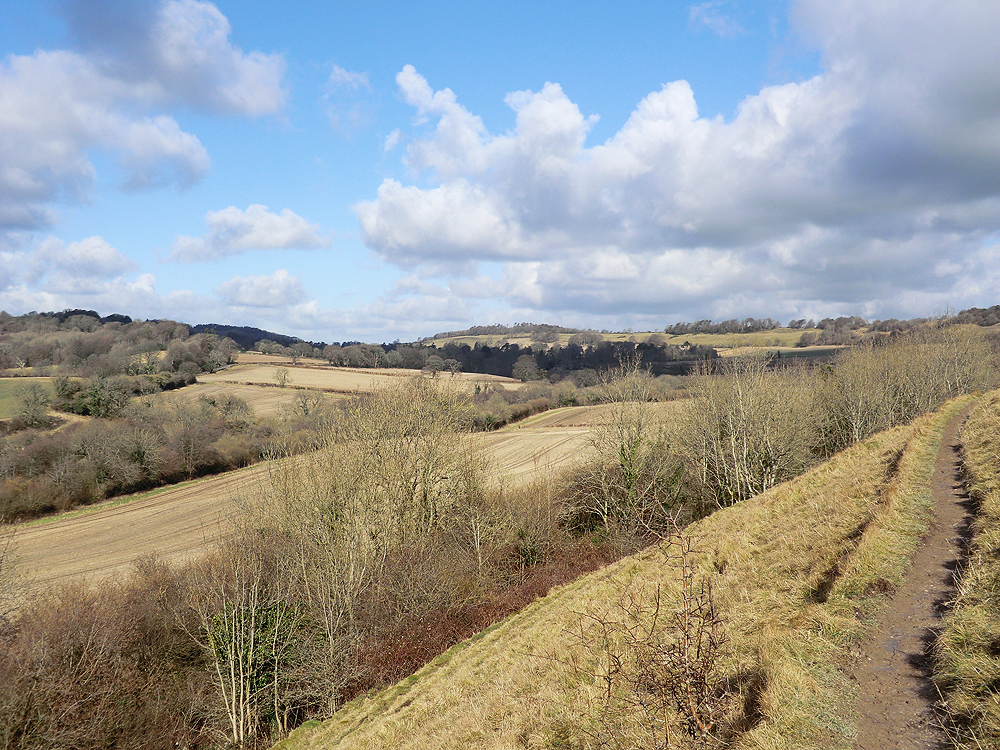
The most famous of these Chalk figures, however is the Cerne Abbas Giant, cut into the hillside above the village. The figure is over 180 feet high but it’s origin and age is unknown. You can’t get too near the giant either as he’s safely fenced off and the best view is actually from the opposite side of the valley. It was an amazing area to walk in and I also thought of Eric Ravilious (another amazing artist who I’m a huge fan of) who did some wonderful paintings of the chalk figures and this area too back in the late 1930’s and 40’s.

How is this for a view ?
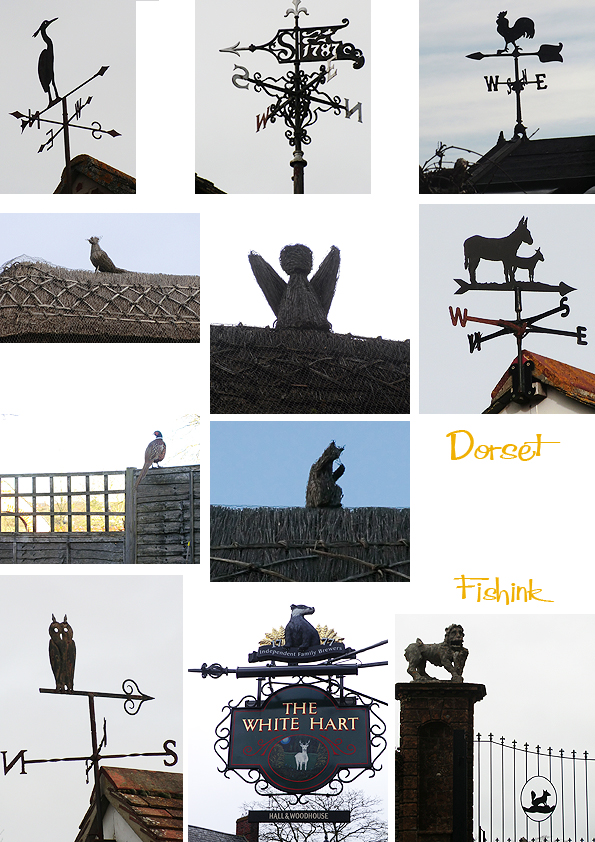
I also managed to gather a small collection of interesting weathervanes and thatched roof ornament on my Dorset travels. I guessed that the roof top animals were the thatch makers trade mark, but old country beliefs state that the stack and rick ornaments were created to keep away both birds and witches. The designs were originally of a religious nature, thus intended to scare away witches, but a countryman always hedges his bet, and would say the ornaments also gave a witch something to play with, thus diverting her attention from making mischief elsewhere. One of the birds below is actually real, in case there are any blog reading witches out there !
More about Dorset later in the week.
Beatrice Alemagna, Chiara Carrer. Italian Illustrators.
I’m planning a week away from the blog as I’ve a few things to do so feel free to explore older posts and things you might not have read already. In the meantime I’ll leave you with two talented Illustrators. Catch you soon. Craig

I constantly discover and marvel at the range and freedom that Childrens’ book illustrators abroad seem to have. Their work ranges from dark and creepy, something that British publishers appear to steer clear of, to weird, wonderful and often even slightly random, in terms of their drawing style or story content.
Beatrice Alemagna was born in Bologna, Italy. At eight she decided that once grown up she would become a “painter and writer of novels”. She has a wide range of styles including sewing and felt making her illustrations. Her ‘Bugs In A Blanket’ book was a great success as people like it’s unusual format by using materials and strands of wool to create the images.


There’s evidence of quite a wild and vivid imagination at work as you can see below.

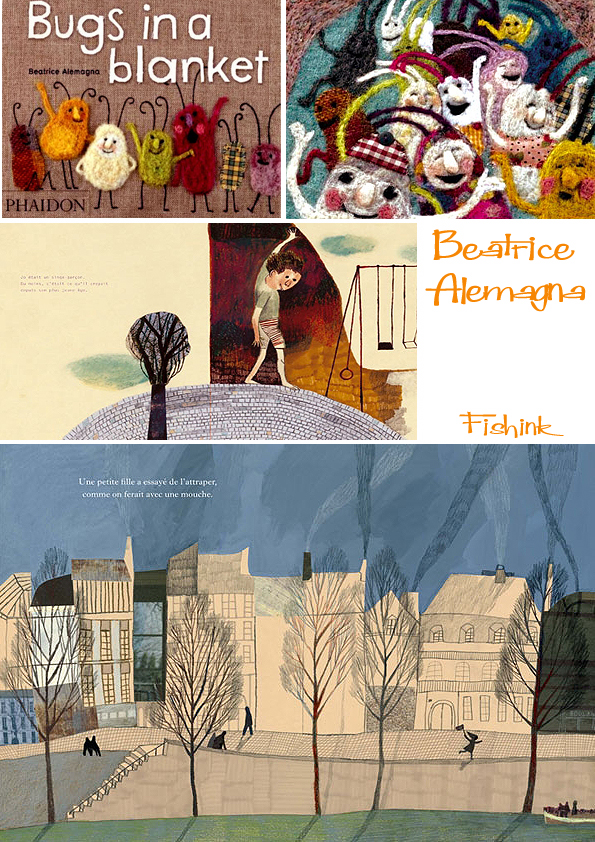
There’s a refreshing variety in her work, sketchy and often textural, which all helps to keep it fresh and inspiring.

Beatrice also has a keen eye when designing posters too.

Another Italian illustrator is Chiara Carrer who has been creating stories for children for over 20 years.


Born in Venice and graduated at the Academy of fine arts in Rome, she also studied engraving at the school of Ornamental arts of San Giacomo. Since 1990 she has published over one hundred books in Europe and has gained many important prizes and a mention for the Bologna ragazzi award Prima Infanzia at the Bologna Children’s Book Fair.

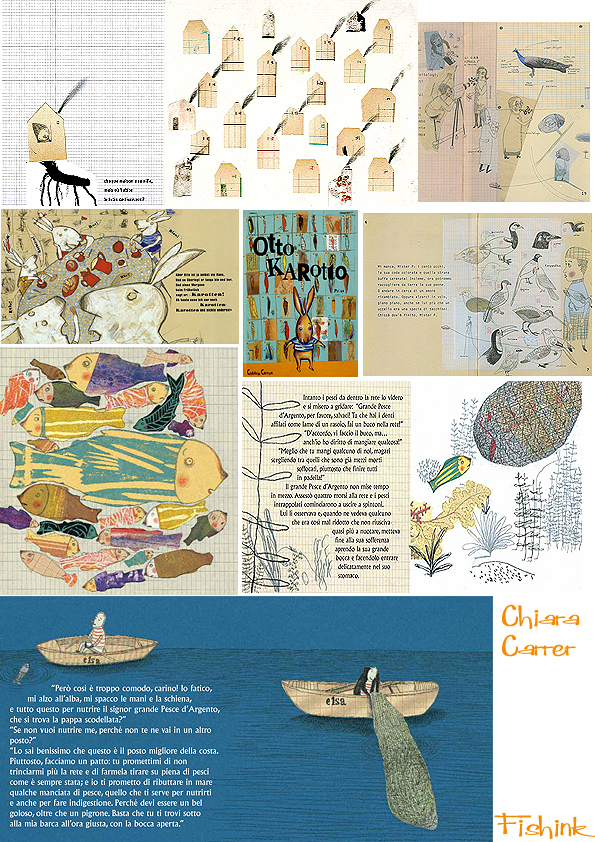
Chiara’s work reminds me a little of the style of Sara Fanelli and incorporates, sketchy drawings, collage work, lined and graph paper, loose watercolours, inks and goache.

Valeria Petrone began her art education in her native Italy and then moved to London, to pursue further studies.
Valeria zooms around on a motor scooter, dividing her time between the historical center of Rome and the more modern area of Milan. In her wonderfully successful career, Valeria juggles high profile clients like United Airlines while always working on a children’s book. So far she has illustrated over twenty books that have been published in Japan, France, Italy and the U.S. Although Valeria has won many illustration awards, it was a especially exciting to receive a 2008 Gold Medal 3×3 for her book Il Pittoré. More images from Valeria here.
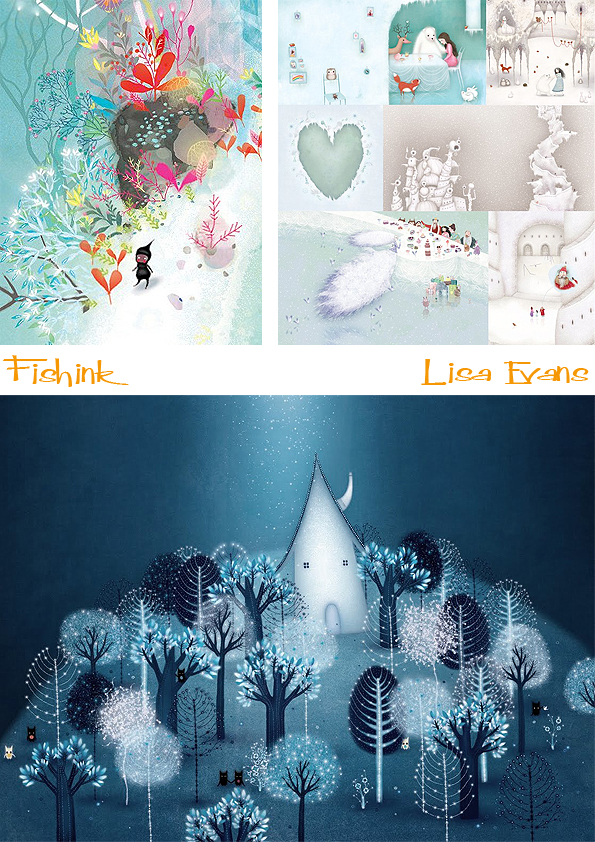
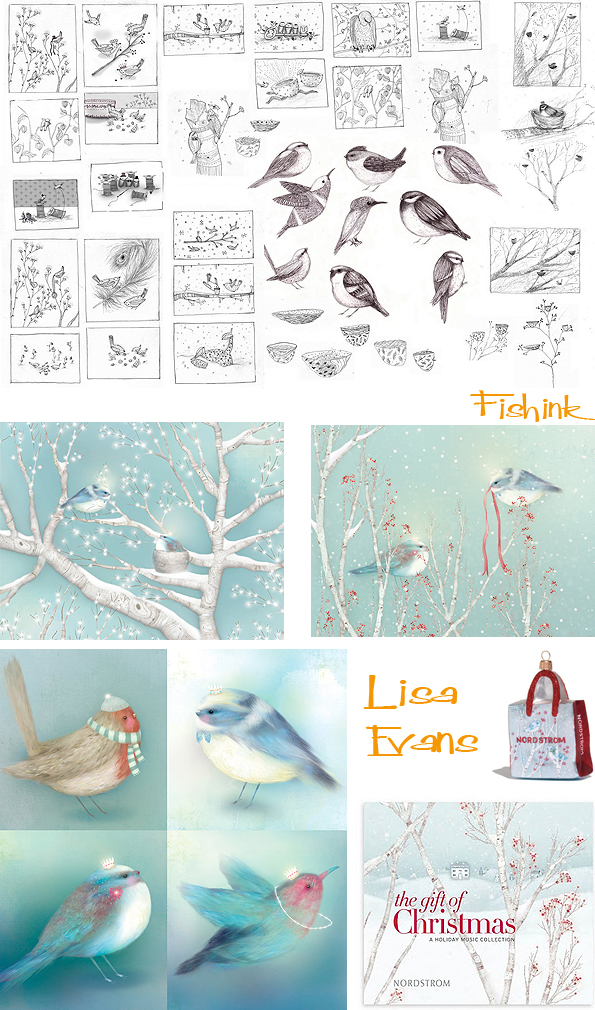
Lisa Evans . Sparkling Illustrations

Lisa Evans’ charming, evocative illustrations have attracted and captivated a range of clients as her reputation has grown. Her highly original style, which is based on a rich narrative language, produces seductive images that draw audiences in and allow for a very engaged level of communication.
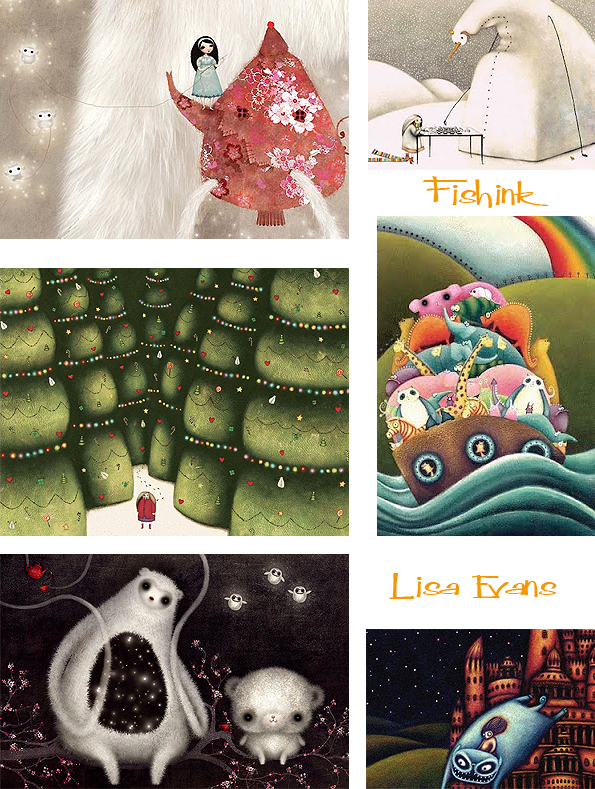
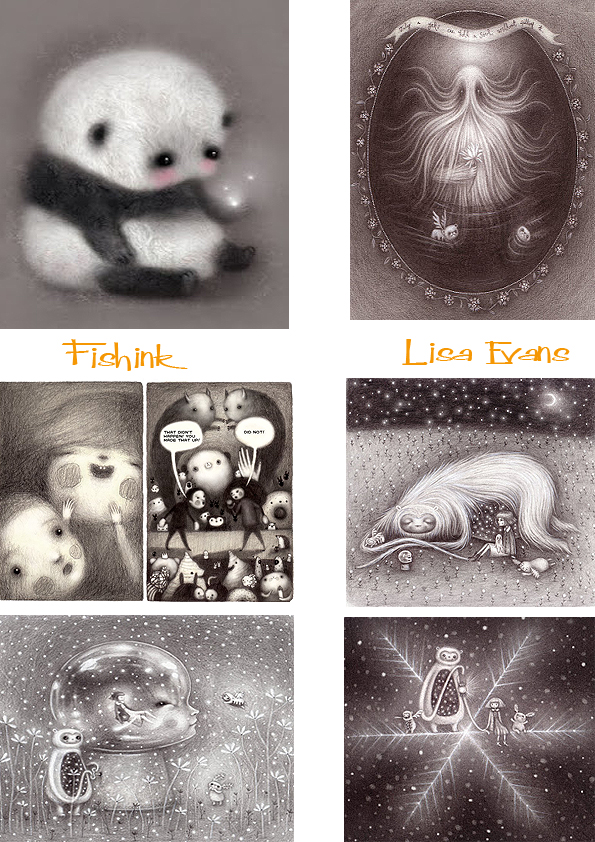
She has her dark side too, and a wonderful way of making her images ‘glow’ and ‘sparkle’, as you can see even in her pencil illustrations.

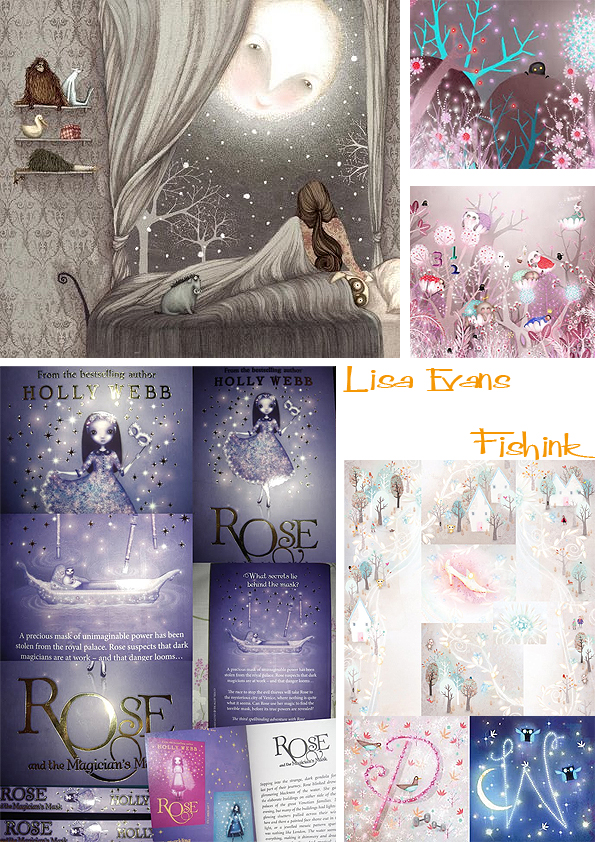
Lisa is an illustrator from Jersey (the small Jersey between France and England), currently living in Bath, UK. She’s been a freelance illustrator for 7 years, working on children’s books, advertising campaigns and editorial commissions. Alongside her commercial work she spends a lot of time working on personal projects. She works with 3D modelling ideas in Autodesk Maya and Mudbox, which is a slow process. She has also begun playing around in Game Maker, a mostly coding-free tool for creating computer games, and enjoys making her own games, as she likes the idea of creating an interactive world for her characters to live in.
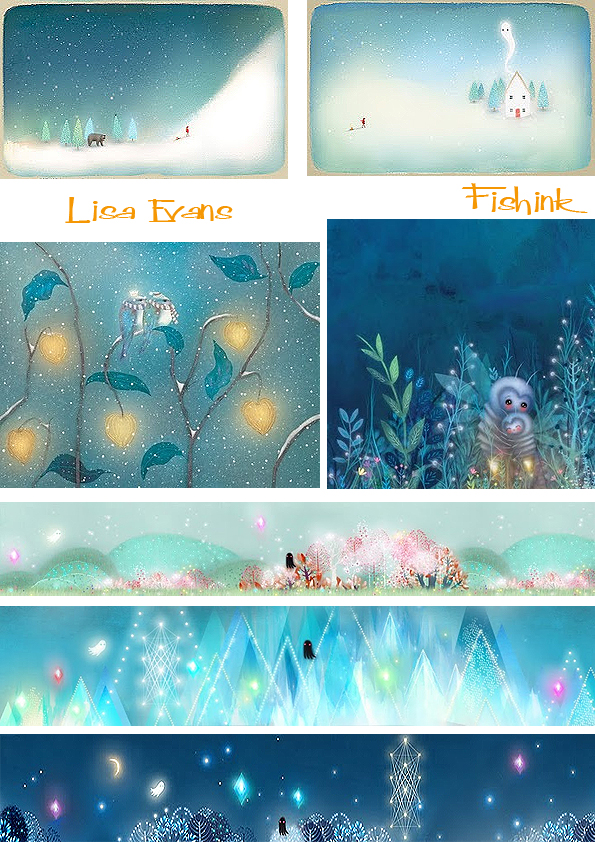
” I’m inspired by science, technology and space exploration and I’m hoping at some point this will manifest in my work. That hasn’t really happened yet! One of my goals is to find a way to communicate science through an emotional narrative, perhaps in a comic or game. That would be very satisfying! ” She’s done some beautiful bird images for US company Nordstrom, for cards and giftbags which also seem to sparkle. No wonder they keep coming back for more commissioned work, it’s beautifully created and coloured.
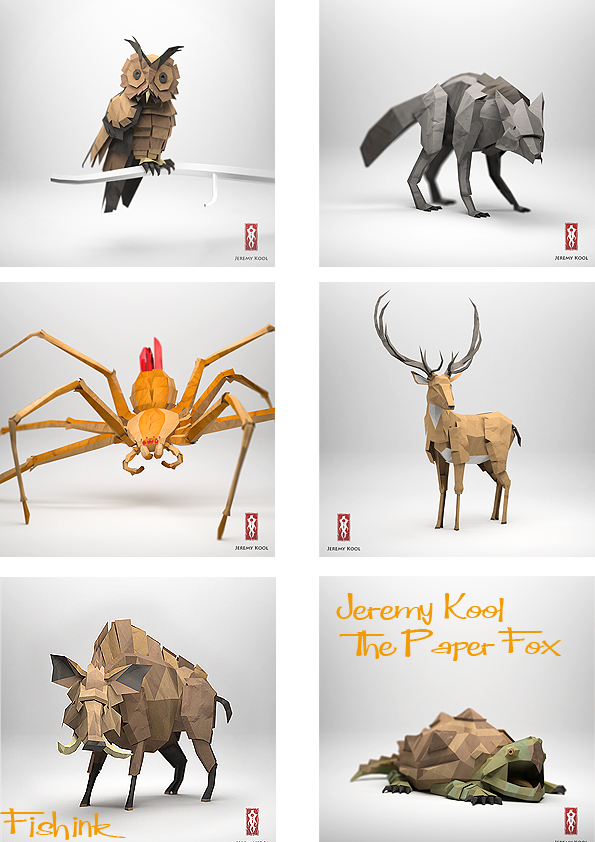
Jeremy Kool’s Paper Fox Project, with illustration from Mike Manalac.

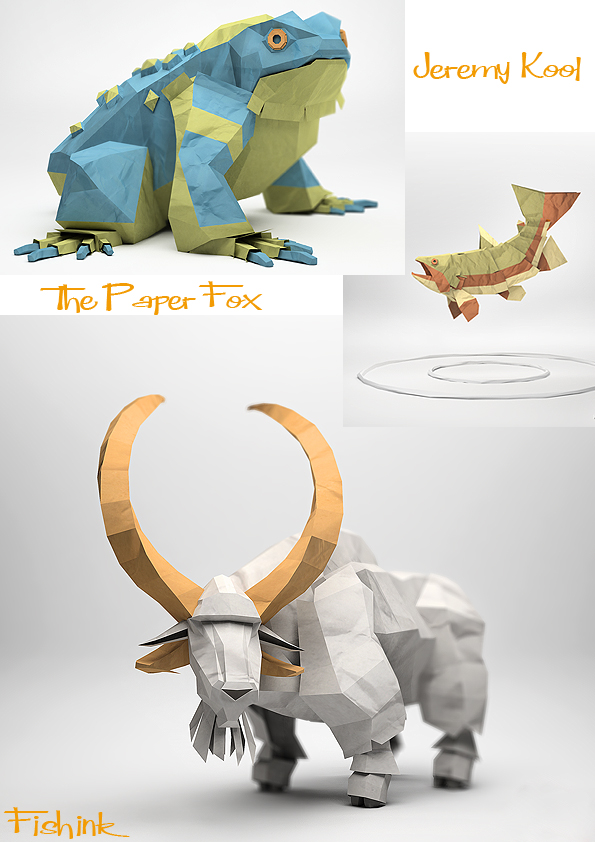
A few months ago I became aware of Jeremy Kool in Melbourne, Australia. He’s a clever animator and 3-D modeller who’s stylish, animated creations, appear to make origami sculptures come to life. Here are some of the characters.
With the help of his sister, who’s writes children’s stories, they’re in the process of creating a children’s interactive adventure book in app form, for iPad and Android tablets. Cleverly he asked people to sponsor his ideas to make the project happen and in return the sponsors got beautiful prints of the characters for their walls. Here’s the main attraction in his papery landscape.
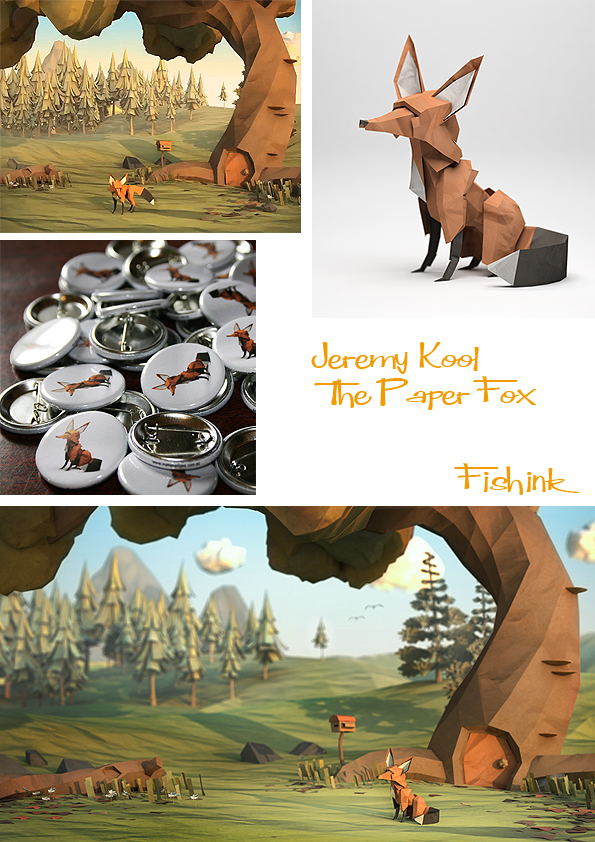
Already I think it looks amazing and feels so fresh. More Characters here.
The response to the fund-raising went so well that Jeremy has been able to enlist the help of an environment concept artist Mike Manalac, to help provide the Fox and characters with some amazing landscapes to run around in.

Here’s a few samples of Mike’s work and beautiful dreamlike illustrations.
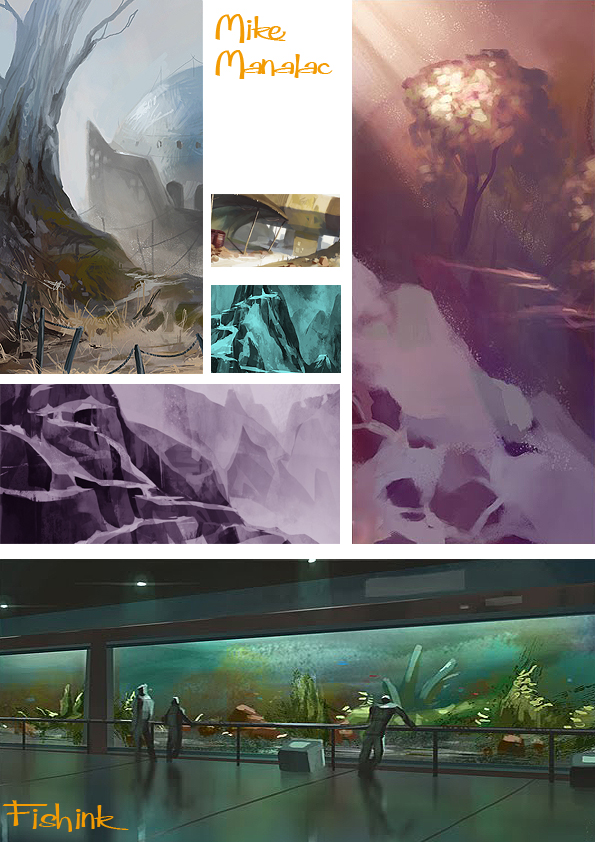
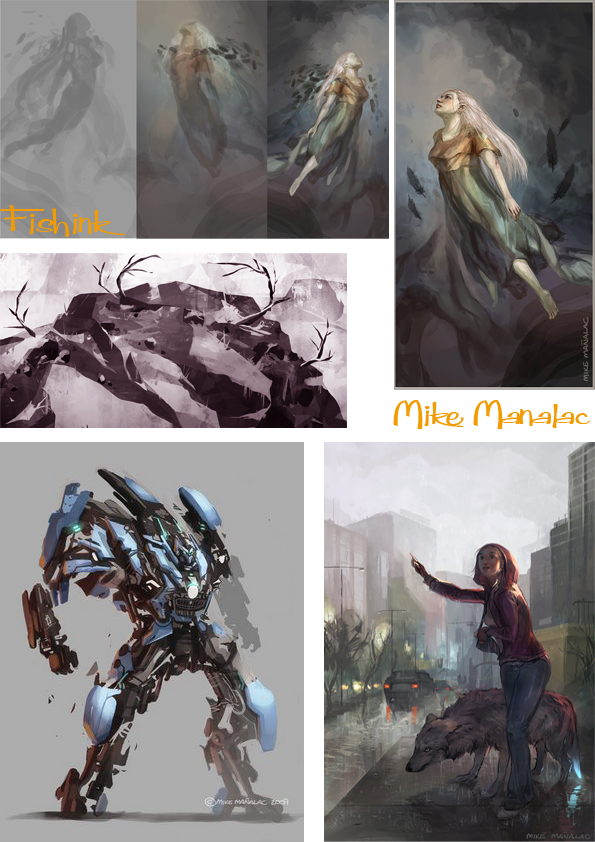
It’s great that Mike puts some of his sketchbook work on his blog too.
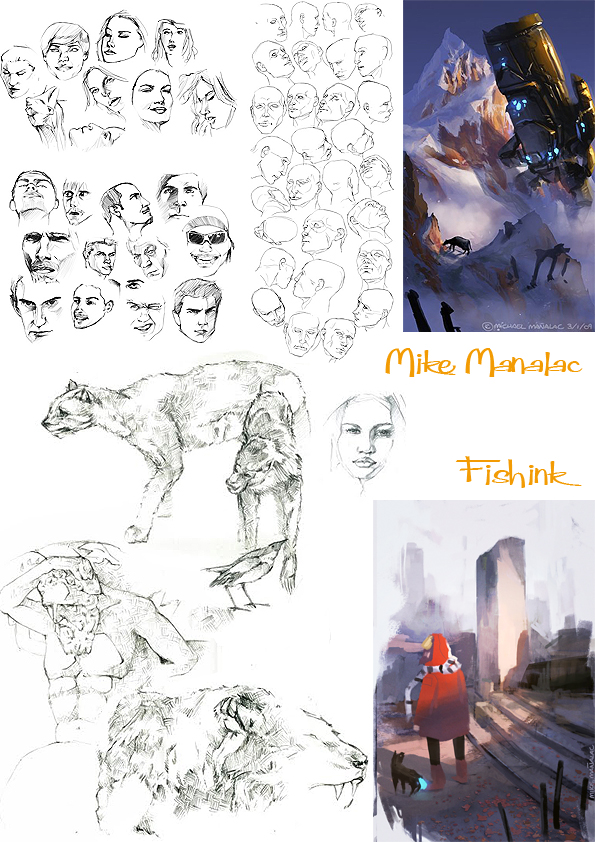
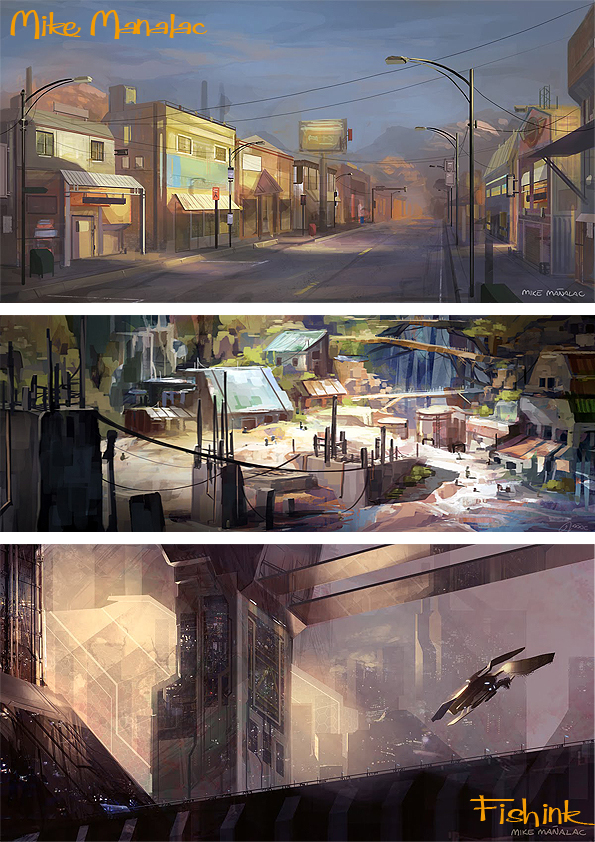
I can’t wait to see how ‘ Team Fox ‘ get along with the project and ultimately to also see the book and fox come to life. One to keep an eye on for sure.
On a different note, it’s been sooo cold here in old Blighty over the past few days, that we’ve even had the odd weather feature of freezing rain. This is the name given to rain that falls when surface temperatures are below freezing. The raindrops become supercooled while passing through a sub-freezing layer of air, many hundred feet (or meters), just above the surface, and then freeze upon impact with any object they encounter. The resulting ice, called glaze, can accumulate to a thickness of several centimetres. I took this picture of the plants in my garden to show you what I mean.
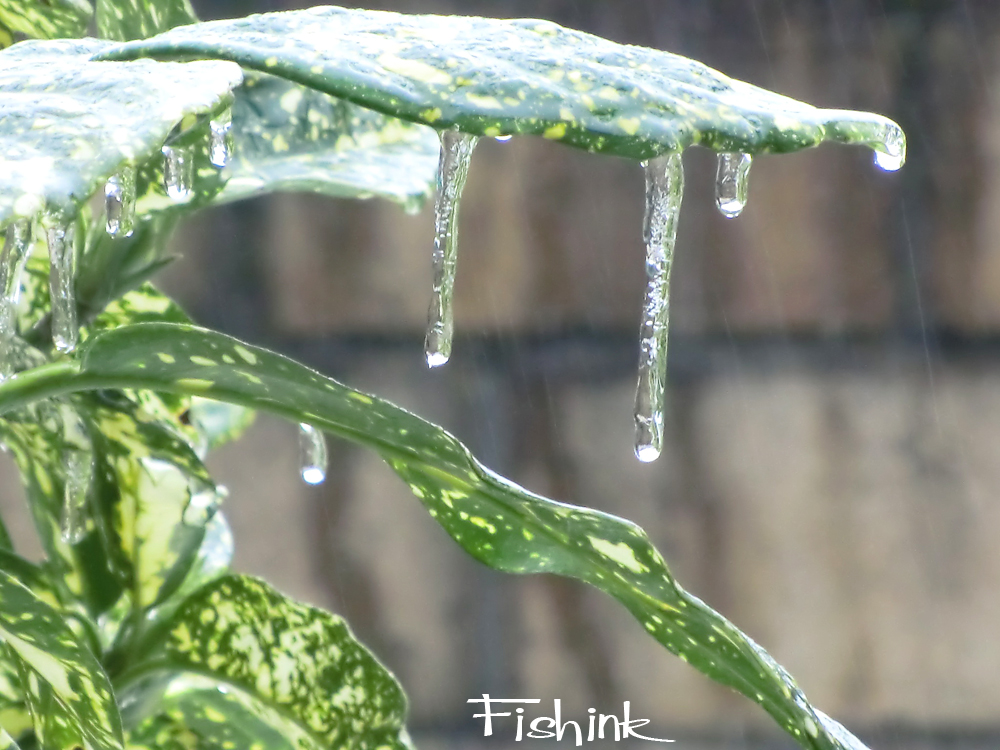
I know it’s nothing compared to what some other parts of the world are going through right now, but I just thought I’d share. Keep warm guys n gals : )
Deborah Campbell . Scottish Beach Artist
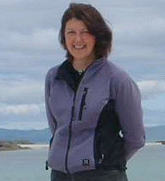
Deborah Cambell studied at Glasgow School of Art and did her degree in printed textiles. She lives in Peebles and her studio is an old police station cell. She likes nothing better than to be outdoors, walking along a scottish beach taking in the sights and surrounds of nature.
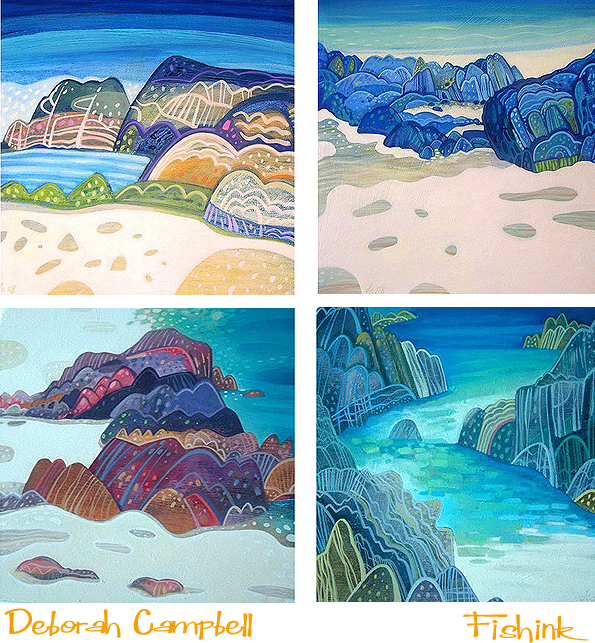
Deborah says ” I love to spend time walking and exploring the Coast of Scotland. My inspiration comes from the subtle patterns created in the sand by the wind and the sea, contrasted against the complex detail, textures and colours of the rocks. I always have my sketchbook to hand and work outside in all seasons responding directly to my subject using watercolours and acrylics. With the Scottish weather, no two days are the same and the constant shifting light makes painting outdoors an exciting and challenging process. On starting a painting I have no preconceived idea of the outcome as my desire is to let the subject lead me to my conclusion “.
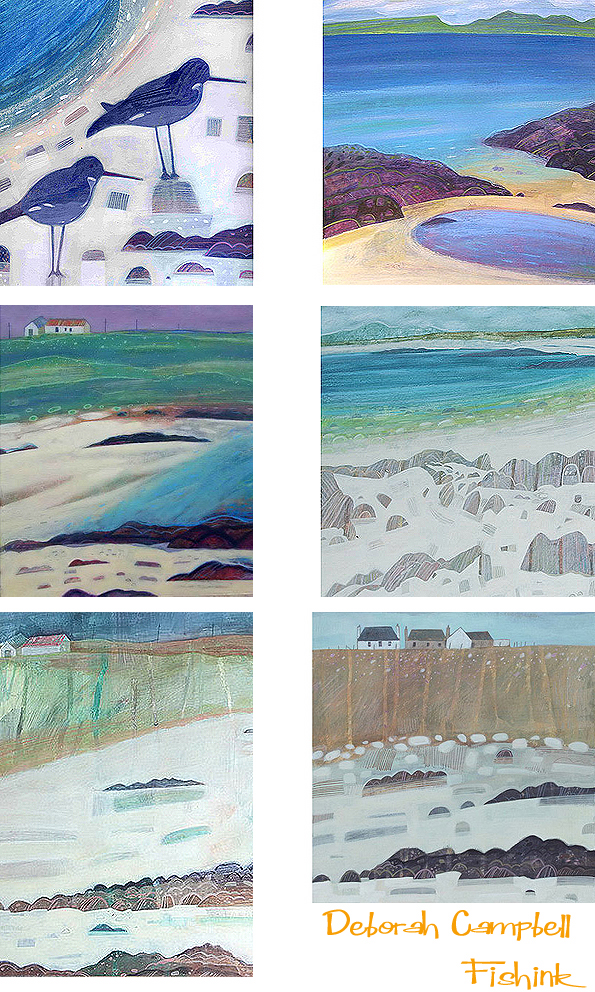
Deborah also works with schools covering a range of workshops in a variety of media like textiles, printmaking, painting, collage, mosaic and murals. Her aim is to offer a lively creative environment for children to find their own visual language through the exploration of different techniques.
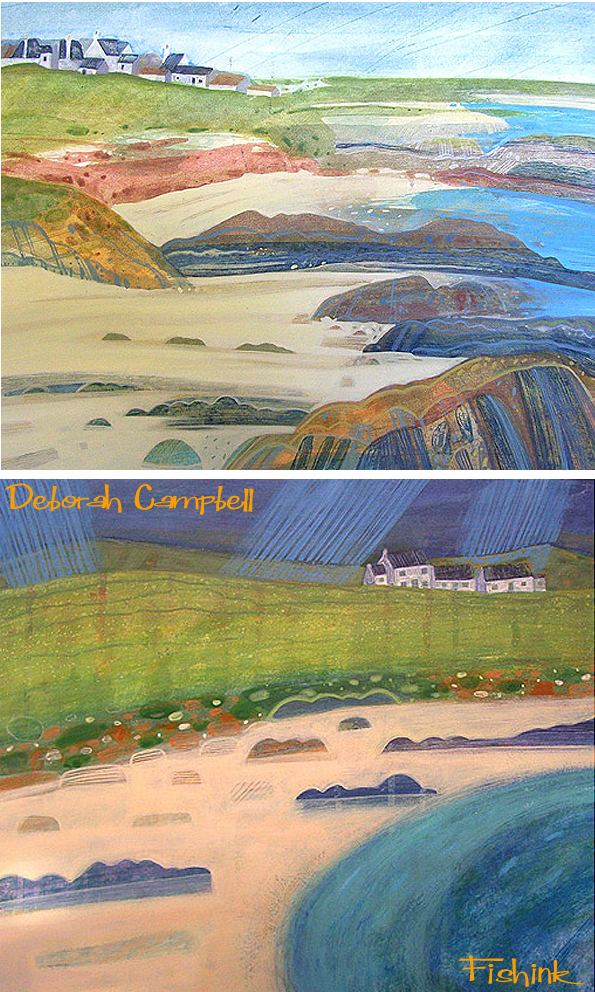
I particularly like the top image here, it’s calming colours and the formation of the rocks and coast itself, some beautiful mark making and observational painting.
Future Travel . Boy’s Toys to Space vehicles and Green transport.
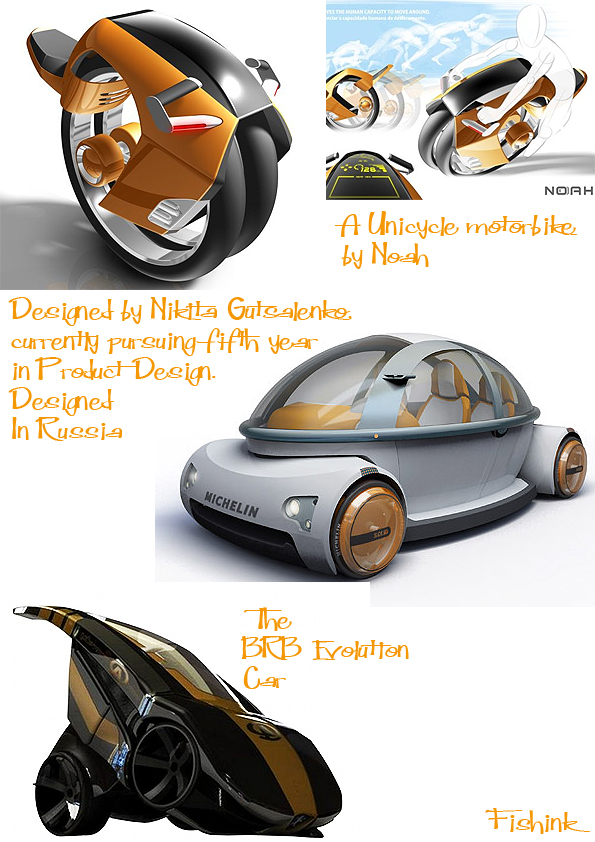
Personally the thought of watching Jeremy Clarkson effervescing, or not, over the latest batch of lad-cultured vehicles on Top Gear TV, usually leaves me feeling slightly numb and bewildered. So even though I’m not one for typically ‘wowing’ at the different makes, shapes and styles of sportscar and transport in general, somehow the thought of future technology, Space Travel or perhaps Green Transport, could be ‘the ticket’ to get me just that little bit more interested. Here’s a few ideas initially generated by artists.

And for those truck lovers amongst you, a missile on a silver painted washing up bottle lol The cabin shape could be more ergonomically streamlined I think.

Thanks to a report on PCMAG.com apparently some of these are supposed to be the ‘coolest’ of futuristic vechicles.

There’s more great ideas on the WebEcoist site regarding possible future travel modes.

Some of these start to look more like designs for Vacuum Cleaners rather than Cars !
You can’t beat a bit of out and out futuristic (not been built yet) imagined technology. Can you imagine yourself travelling in these ?
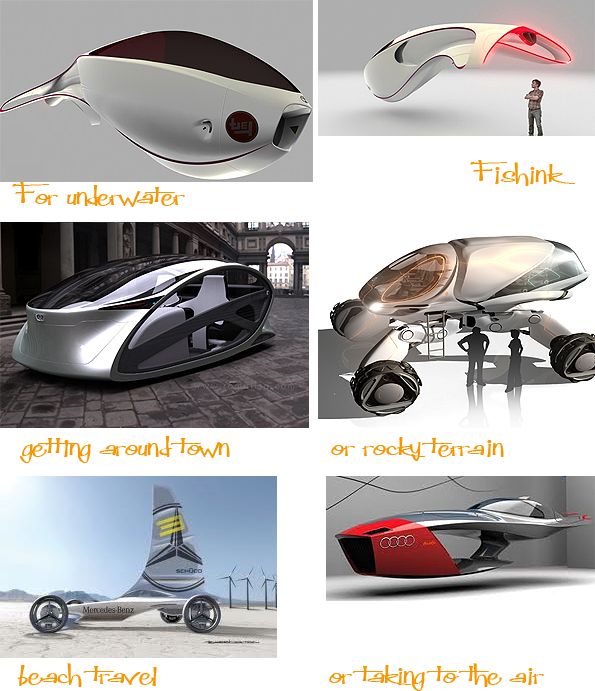
It’s funny to think that Hanna-Barbera’s ‘The Jetsons’ which aired in the early sixties had us flying around in space for it’s view of the future.

For now I think I’ll stick to travelling by foot, but I loved this Jetsons style Clip of Future Travel. Any thoughts ?
Hebden Bridge. Wintery Walks.
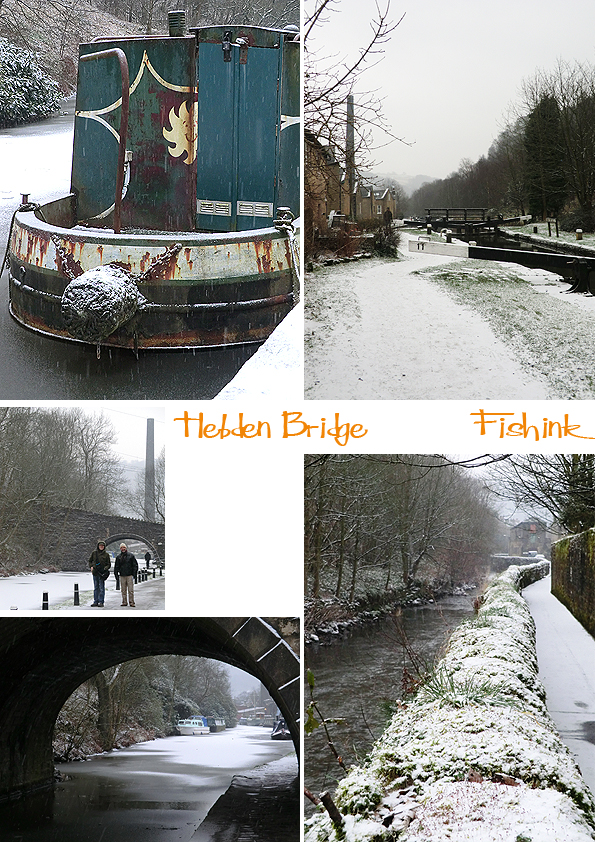
I found my way to Hebden Bridge with some friends on Saturday. For those of you who don’t know this town it’s is on the Yorkshire side of the Pennine Hills.
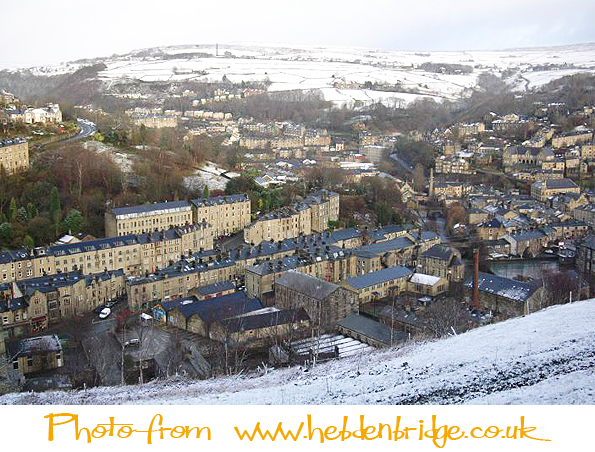
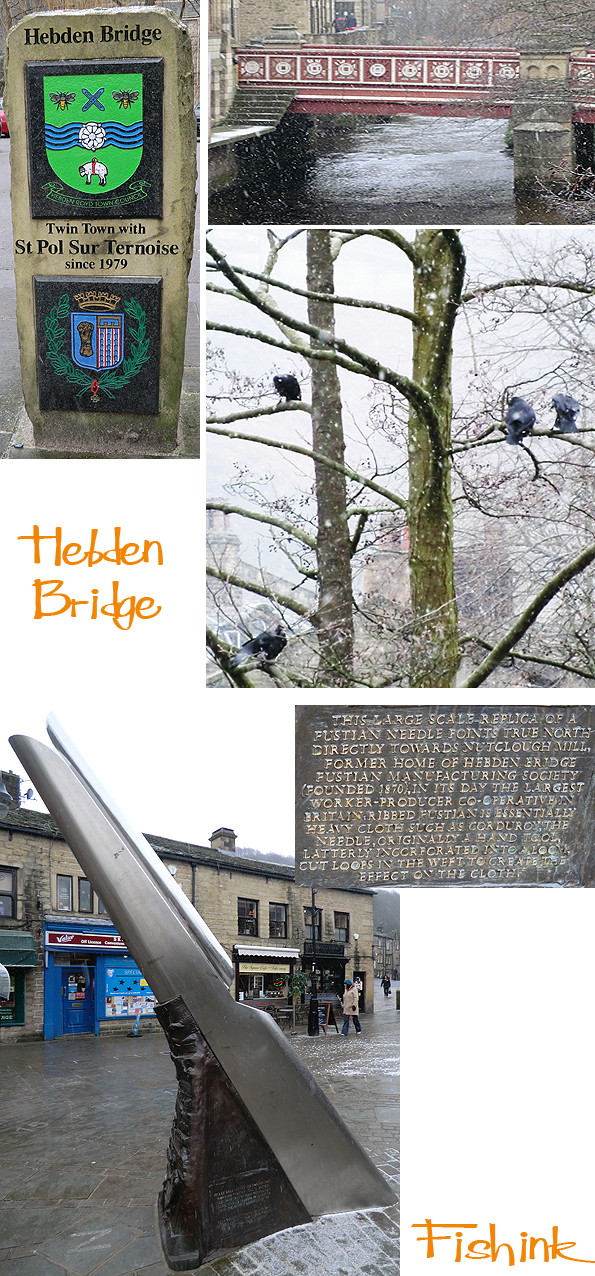
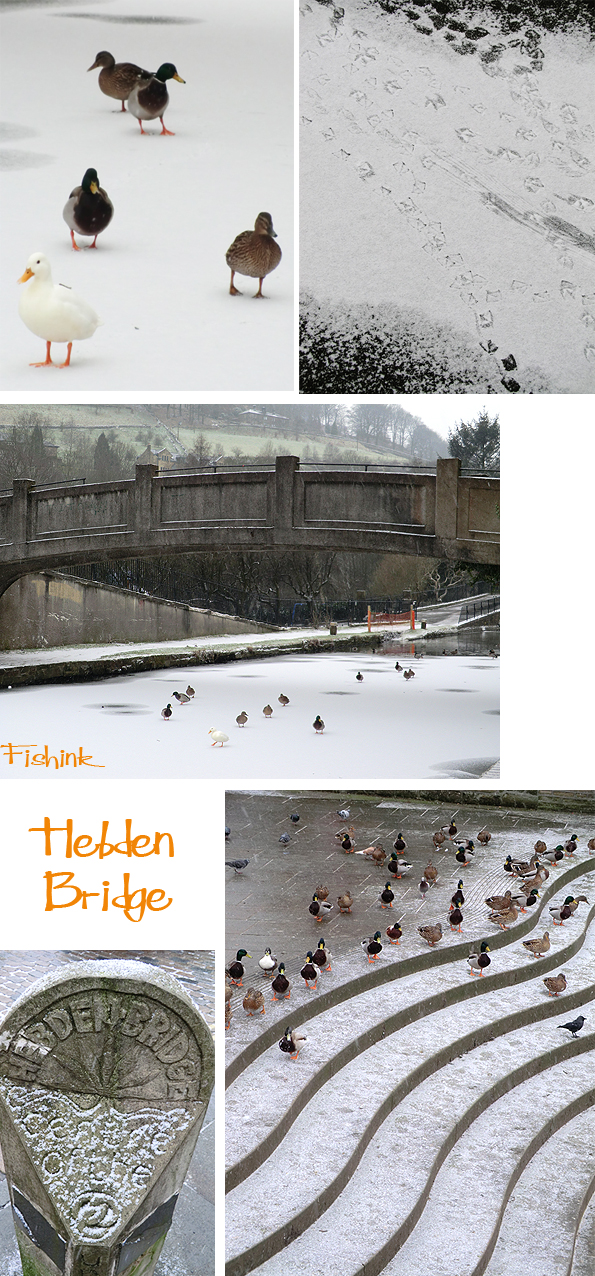
Not long ago, it was a small mill town producing wool and woollen goods. By the end of the sixties, the town was in bad shape. Shops were empty and blocks of terraced houses were being pulled down. During the seventies and eighties the town was repopulated by a motley mixture of artists, writers, photographers, musicians, alternative practitioners, teachers, green and New Age activists and more recently, wealthier yuppy types. The area has a rich literary history. The Bronte sisters wrote their famous novels just a few miles away in Haworth, the American poet, Sylvia Plath is buried at Heptonstall on the hill overlooking Hebden Bridge and the poet laureate, Ted Hughes was born in Mytholmroyd, two miles away. As you can see the snow started coming down as we got there, the ducks didn’t seem to mind too much and it did help to make it even more atmospheric.
There was great shop selling weird and wonderful memorabilia called Feathergill’s Emporium. It had many old tins for vapour remedies and some beautiful old chemist-shop shelving inside. Also a collection of stuffed toys and modern reproduction vintage children’s board games. Upstairs, tea room and crockery so something for everyone !
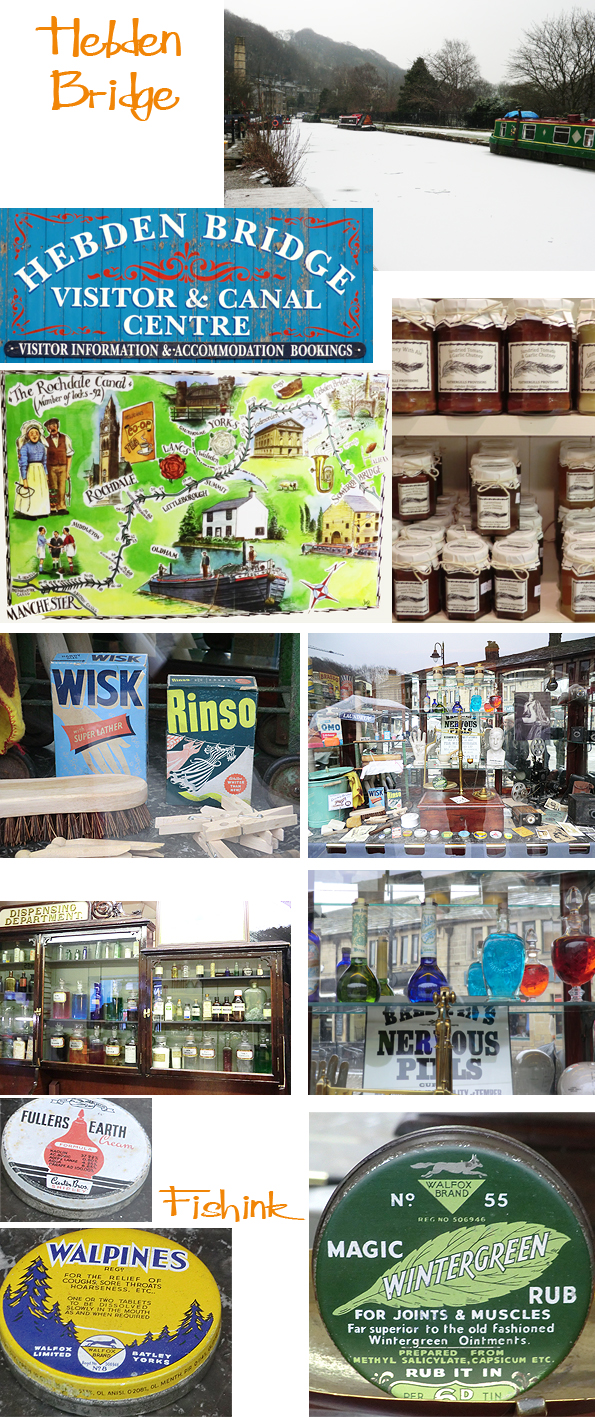

Hebden Bridge was an obvious destination for those wanting to escape the cities because life here can be a fine mixture of the urban and rural. The water from the hills powered the first mills of the Industrial Revolution. There are some picturesque views along the canal just minutes from the town centre.

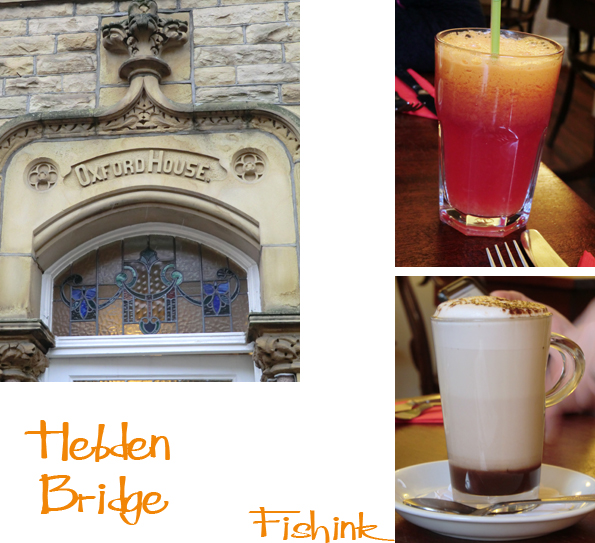
After all that cold we warmed up with some lovely zingy natural drinks and veggie food from Greens.
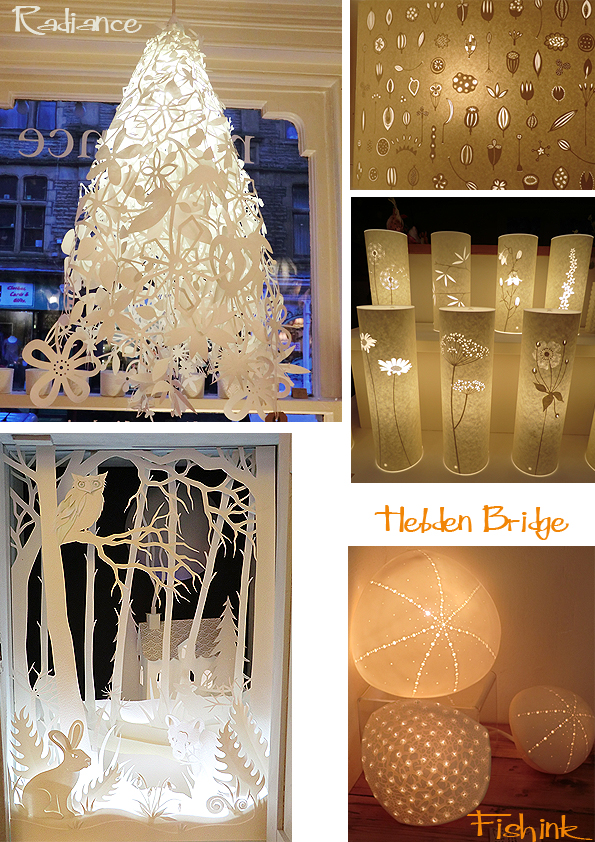
A little more retail therapy came in the form of the very smart Sung Gallery, where you can pick up contemporary ceramics, a lovely print or some wonderful hand made paper pop ups from my good friend Sarah Morpeth. A little further along the road was an amazing lighting shop called Radiance run by designer / maker Hannah Nunn, who kindly let me take these photos of her shop to show you.
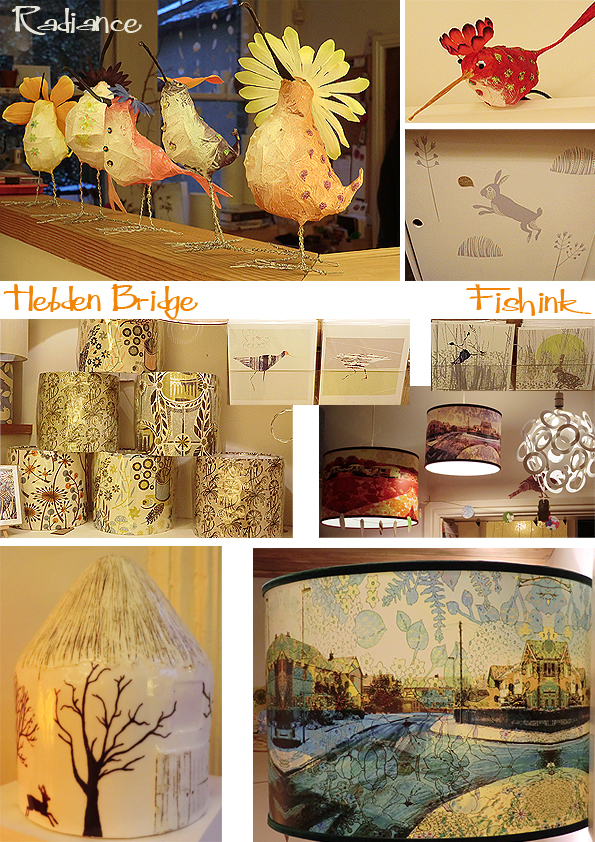
I noticed there were some fab Angie Lewin lampshades in there too, very tempting. Finally just time to look at the outside of the Arts Centre. The building appears to have been around since 1777 and the sundial 1853. It looked very christmassy with it’s lights.
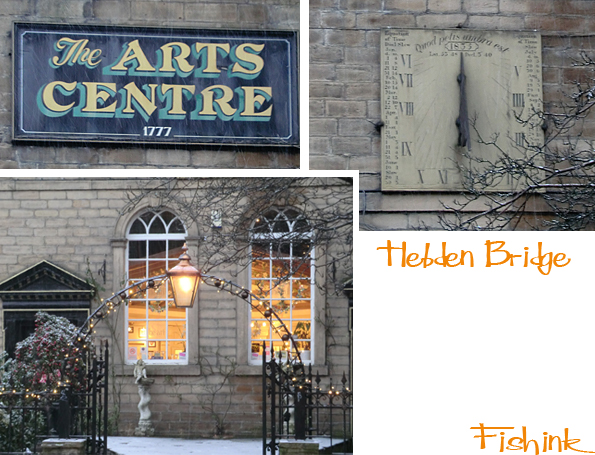
There’s so much more there that I didn’t have time to capture, so I think a return journey once the snow has gone will be in order. A great place with so much going on.

 fishinkblog.com