Bernardo Carvalho and Planeta Tangerina
Bernardo Carvalho is a co-founder of Planeta Tangerina, a company who write , illustrate and produce picture books.
He graduated in Communication Design at the Faculty of Fine Arts of Lisbon and took the Design course at the National Society of Fine Arts. He has been recognized in recent years with several awards, including two special mentions from the National Illustration Award in 2006 and 2007, and honors the Best Book Design from all over the World’sLeipzig Book Art Foundation in 2007 and 2008. With the book Quickly, slowly, he won the National Prize for Illustration 2009. In 2008, Bernardo was one of 13 Portuguese names selected for the exhibition Ilustrações.pt under the Children’s Book Fair in Bologna.
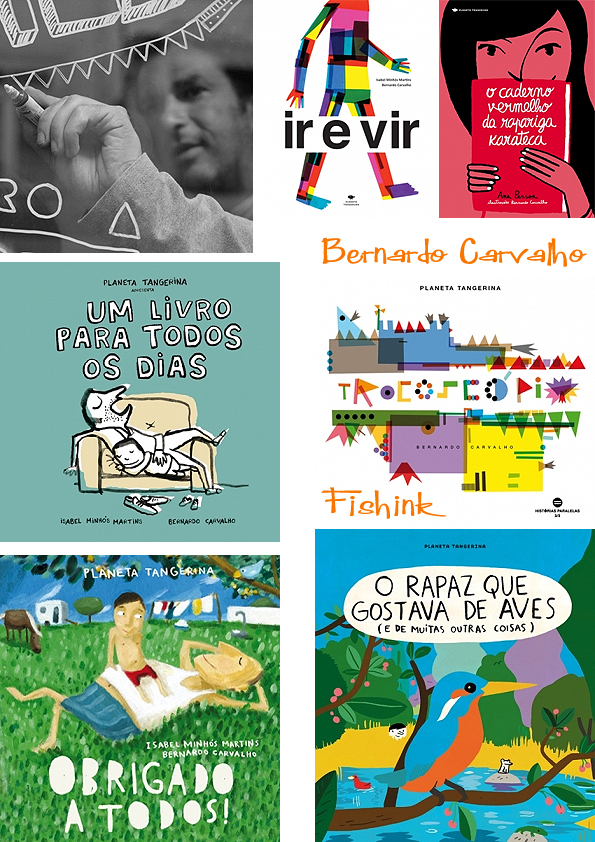
I like the description they have on their site …
At Planeta Tangerina we make picturebooks – books where the text and image come together to create a unique outcome, impossible to achieve if both modes don’t come together in harmony. By this we mean that there is no redundancy or overlapping but rather the text and image interconnect and complement each other by making adjustments and readjustments, as they seek a balance. Reading a picturebook is about reading words and images, it’s not about reading pages but instead sequences; reading picturebooks involves reading covers and endpapers, reading rhythms and changes of rhythm, reading scenes, planes, details and different representations; it involves constantly making connections between elements, appreciating the movement, the sounds, the pauses and the silence of the pages.
It is for all these reasons that we like to create picture books: on the table there are different types of ingredients and a thousand ways of mixing them, and better still no fixed recipes. We like the idea of everything being open, everything being possible. Experts say that picturebooks are “one of the most challenging areas of freedom and experimentation” and we can only agree. We try to make our way through this huge, fascinating territory with respect.
We commit ourselves at every stage of a picturebook’s production, from the filtering of ideas, to the trying out and choosing of materials. We have two house rules: that we refuse formulas and that we challenge our readers (they deserve it after all).
Our readers are not only children, but all parents and adults who enjoy picturebooks and their unique way of telling a story. We know that our books are not always the “easiest” to read, but we like to think that a picturebook is a meeting point for readers of different kinds, that some will open doors for others, that big and small readers will find their own keys to the discovery of a book.
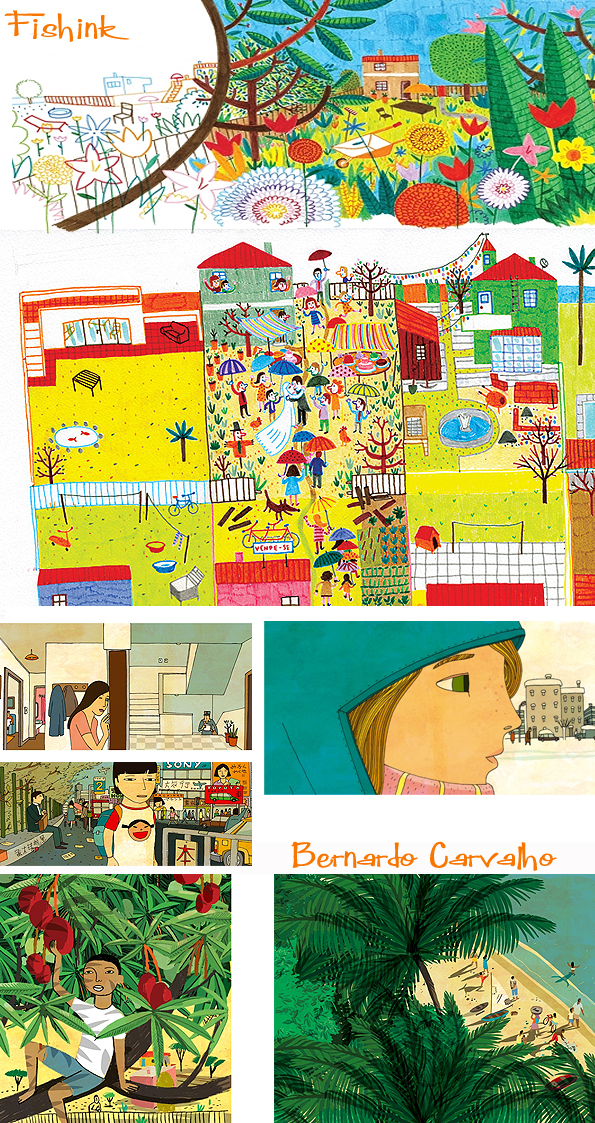
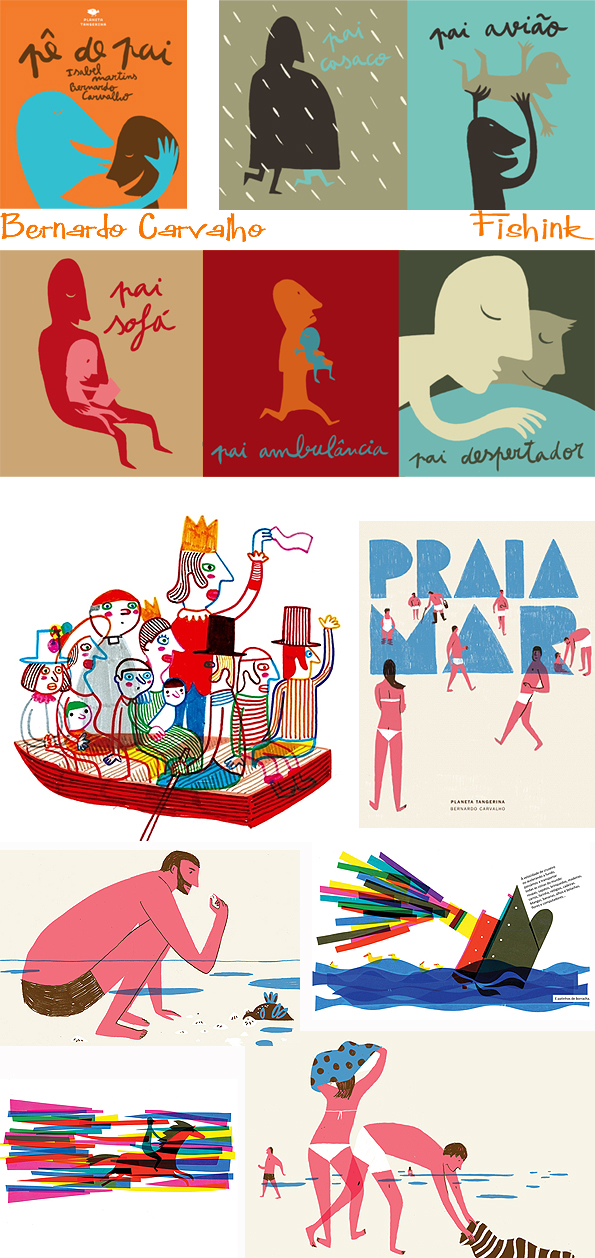
Bernardo has about 16 books to his name and such a range of styles, it would be hard to say which I like the most. Here’s a flavour of some of his books and his vast variation of illustrative techniques.
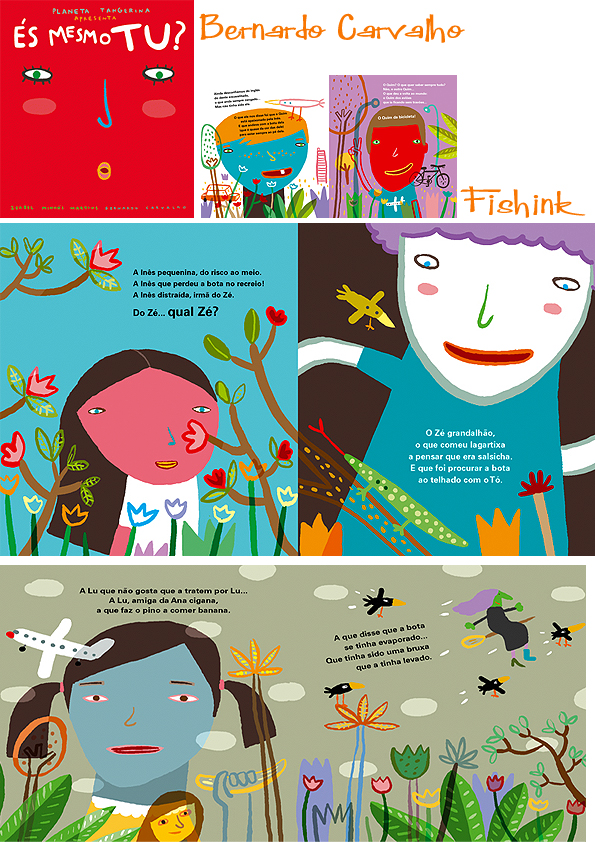

It’s quite encouraging for me, (being an artist who also has many differing ways of working), that Bernardo doesn’t find it necessary to stick to one way alone, in order to publish his work and create a name for himself.
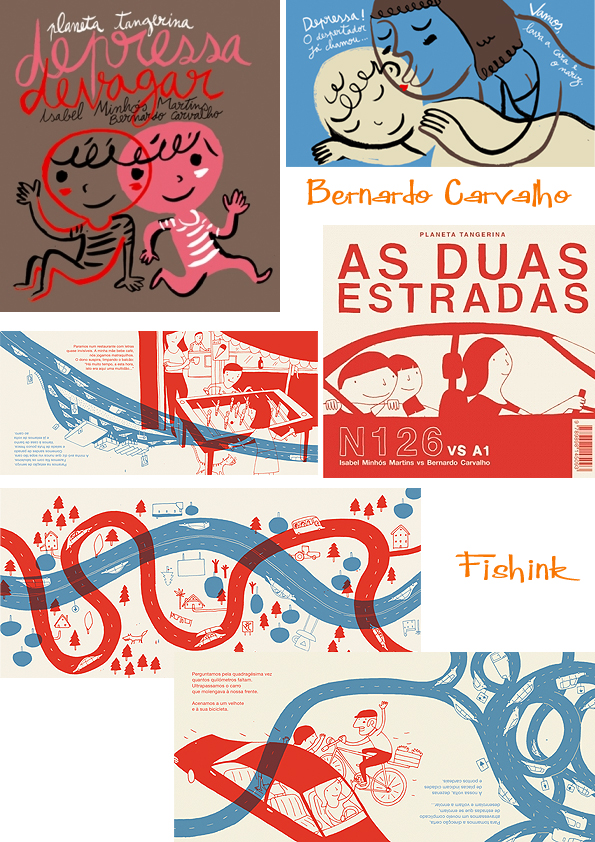
Some beautiful movement and colouration here.
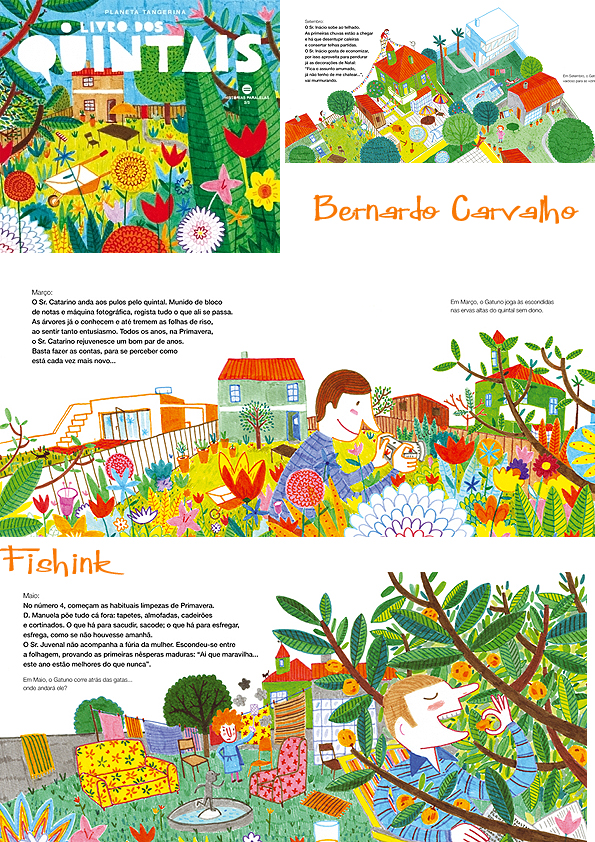
It’s hard to appreciate that this is all from the same person.
Planeta Tangerina said … When we started making books, we didn’t know much about the history of illustrated books, apart from the general knowledge of all readers with an interest in this subject. But gradually we are realizing our immense heritage and are amazed each time we make a new discovery: at the end of the day, somebody else had already been here, struggled with similar problems and tried to find new solutions. All those who came before us certainly felt that they had something to add to the books that already existed, and they did so, bringing new concerns and new ideas to their texts and images.
An interesting discovery is that technological change has always gone hand in hand with major developments in book production – in many cases even shaping those revolutions. This was the case with the introduction of color or with printing techniques, which allowed for a more flexible relationship between text and image. Another interesting discovery is that the current crisis is not the first of its kind: other crises have occurred, times when resources needed to be used as effectively as possible and solutions were needed that would provide publishers with good value for money.
Many say that this crisis is different from the others (history repeats itself but is never entirely the same). The publishing world also has to deal with markets and uncertainty and nobody knows what will happen. But while the future is uncertain, we will be here every day – as many have been before us – thinking and working, fully focused on what we put in our books. This is central to what we do – and also what we most relish.
It’s well worth checking out their array of stylish illustrators and authors here. What a lovely way to live and work.
Fishink Finds on Pinterest
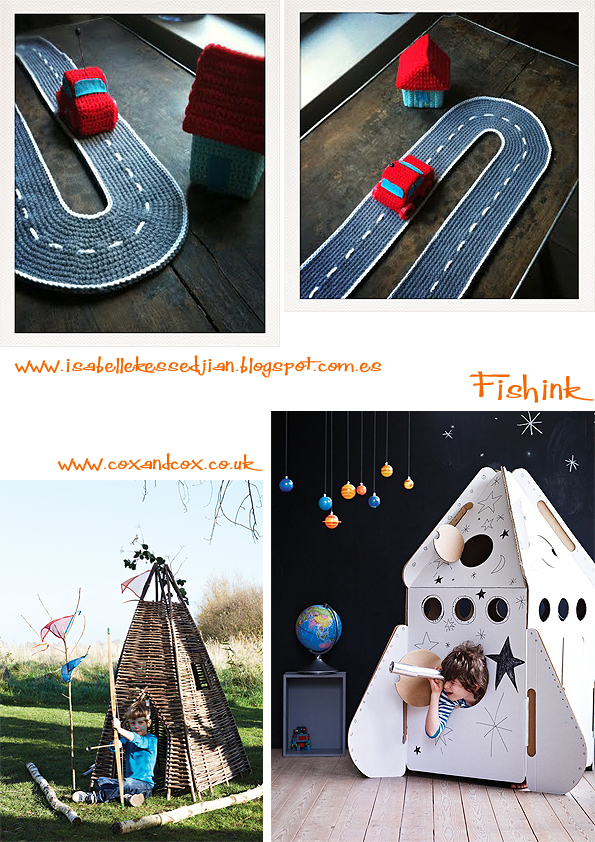
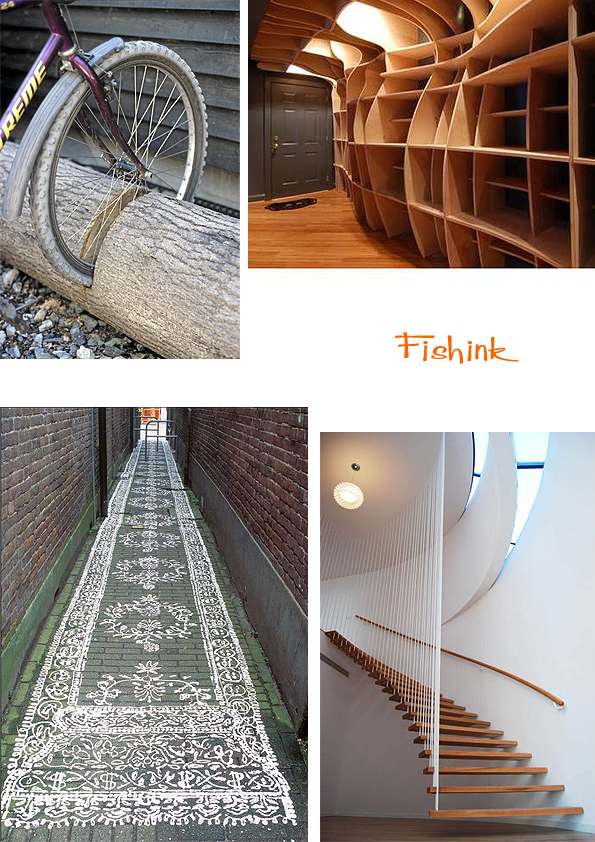
I caught myself wandering around Pinterest the other day. There are some great images and ways to loose yourself in them too. These made me smile, crocheted Scaletrix and great hideaways for little kids ( … I wonder if they do adult sized ones !)
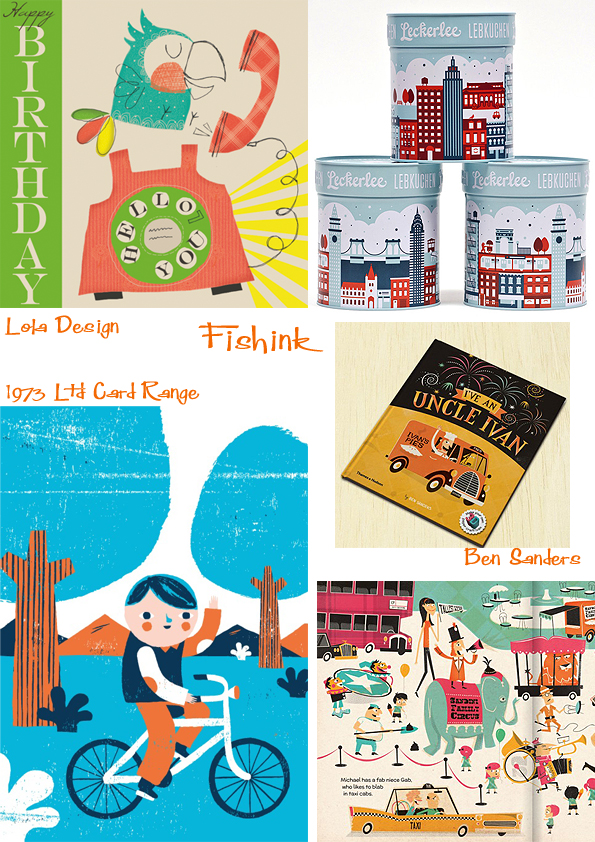
There’s always a host of beautiful Vintage Illustrations on there.
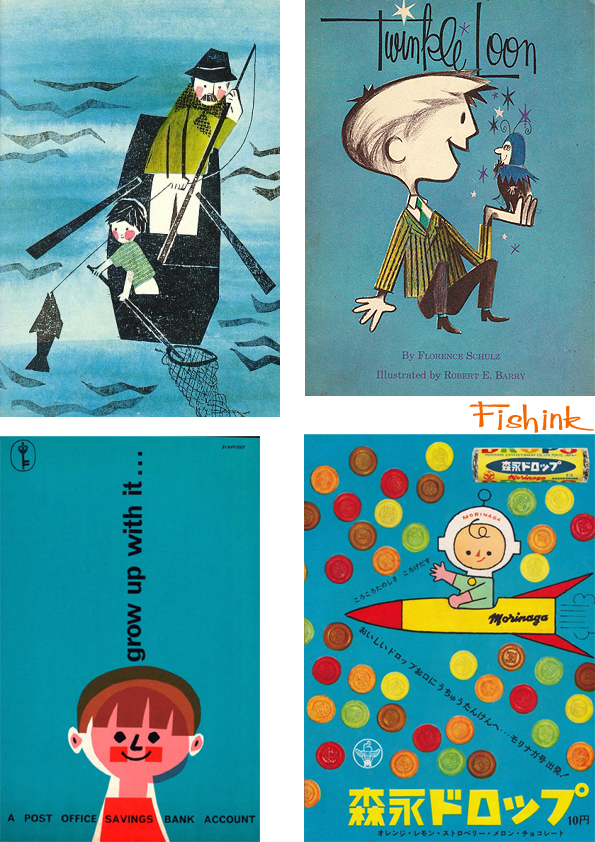
Some with a vintage feel that are new.
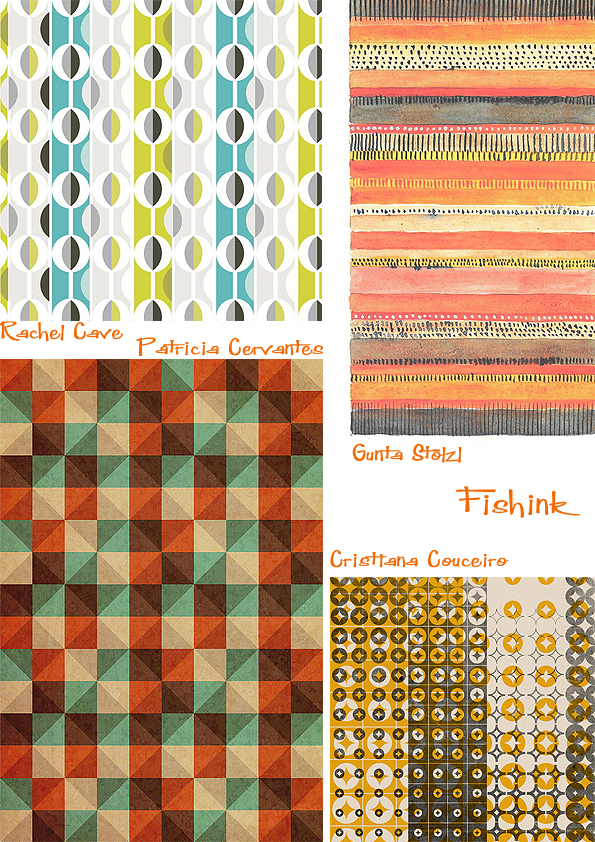
Beautiful patterns.
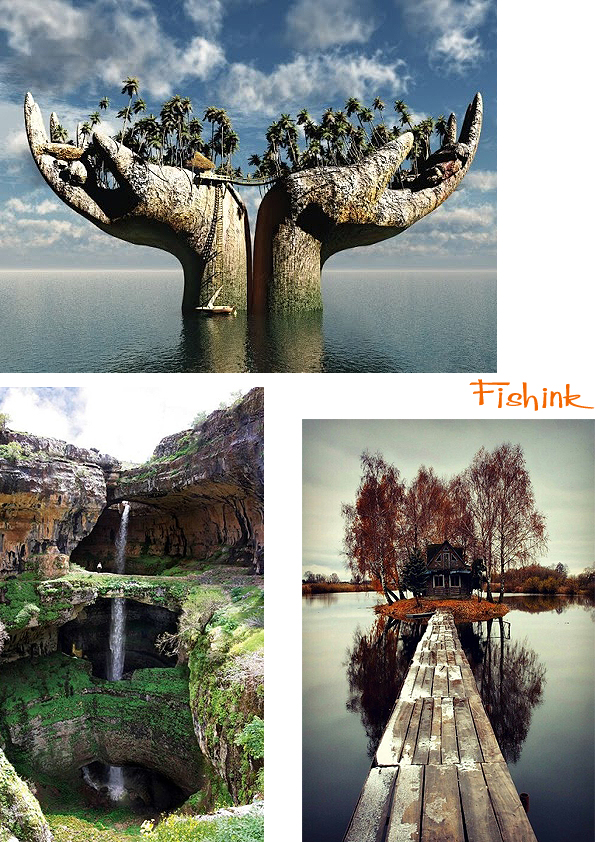
Locations to visually escape to.
Or to live in.
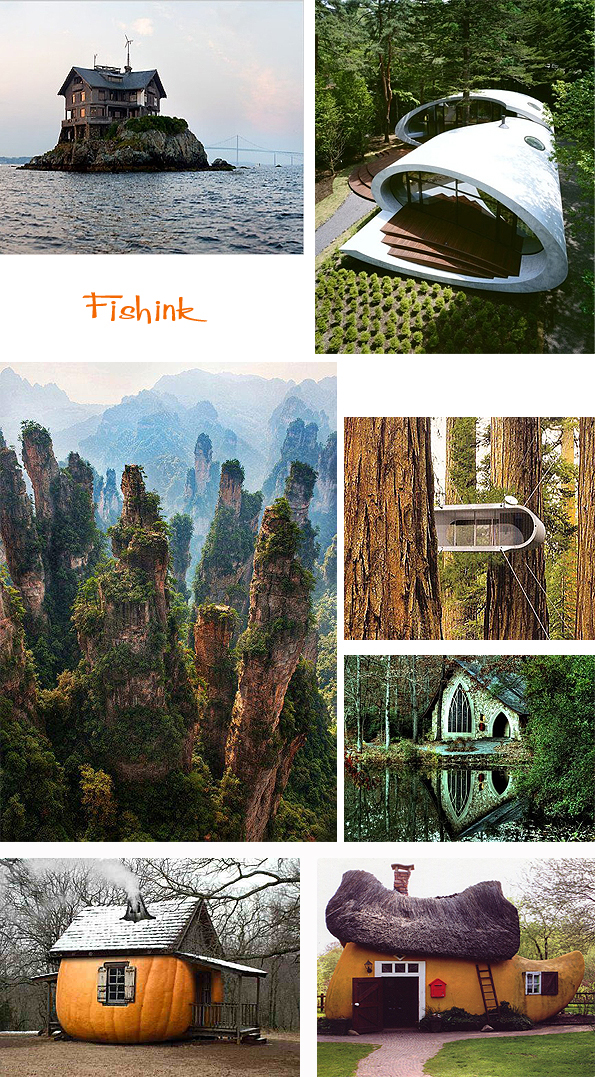
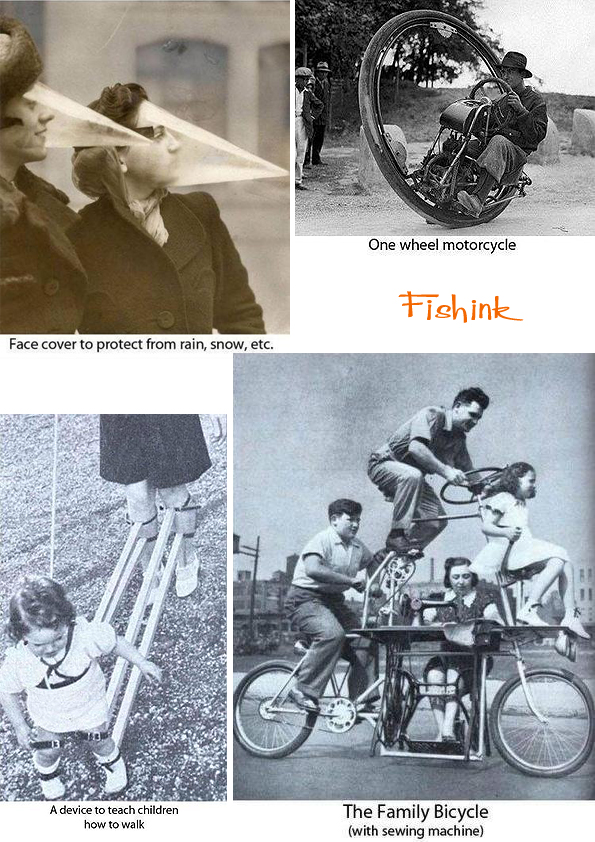
Clever inventions and creations.
Some, thankfully, that didn’t quite catch on !
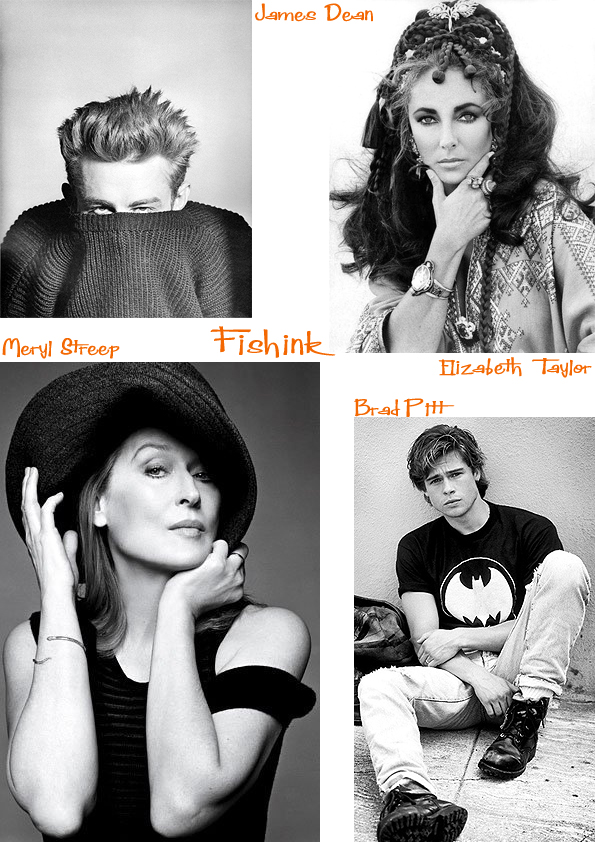
And an array of wonderful photographs. Always worth a look when you have a minute (or 3 hours !) to spare. You can find me on there here too, do feel free to follow or pin away to your hearts delight and as always let your friends know if you like this site… because they may like it too !
Ole Kirk Christiansen and his company called Lego

How many of you remember Lego ? Those plastic bricks with little connecting circular tabs on that hurt like crazy if you stepped on them barefoot ?
I, like many other kids of my time, had boxes (or often whole buckets) of Lego. Not the specific sets of today that allow you to build one item, but a whole jumbled set of large and small, coloured pieces that you could assemble into a whole host of imaginary things. I always wondered what the story was behind this phenomenal toy that is still going strong after nearly 80 years ! Here’s what I discovered.
The Lego Group began in the workshop of Ole Kirk Christiansen (born 7 April 1891), a carpenter from Billund, Denmark, who began making wooden toys in 1932. In 1934, his company came to be called “Lego”, from the Danish phrase leg godt, which means “play well”.
It expanded to producing plastic toys in 1947. In 1949 Lego began producing, among other new products, an early version of the now famous interlocking bricks, calling them “Automatic Binding Bricks”. These bricks were based in part on the Kiddicraft Self-Locking Bricks, which were patented in the United Kingdom in 1939 and then there released in 1947. Lego modified the design of the Kiddicraft brick after examining a sample given to it by the British supplier of an injection-molding machine that the company had purchased. The bricks, originally manufactured from cellulose acetate, were a development of traditional stackable wooden blocks that locked together by means of several round studs on top and a hollow rectangular bottom. The blocks snapped together, but not so tightly that they required extraordinary effort to be separated.


The first Lego wheel featured in Lego set no. 400 (above), which was released in 1962. In 1967 it was Lego’s best-selling set with an impressive 820,400 units sold. Since the 1960s, the Lego Group has released thousands of sets with a variety of themes, including town and city, space, robots, pirates, trains, Vikings, castle, dinosaurs, undersea exploration, and wild west. By the 1970s Lego was sold in Europe, North and South America and Japan: pretty much any market where people had money to spend on toys. The beautiful 1973 box and logo redesign, clearly Swiss influenced, was the first attempt at a true international standard and in 1978, Lego produced the first minifigures, which have since become a staple in most sets.

New elements are often released along with new sets. There are also Lego sets designed to appeal to young girls such as the Belville and Clikits lines which consist of small interlocking parts that are meant to encourage creativity and arts and crafts, much like regular Lego bricks. Belville and Clikit pieces can interlock with regular Lego bricks as decorative elements. While there are sets which can be seen to have a military theme – such as Star Wars, the German and Russian soldiers in the Indiana Jones sets, the Toy Story green soldiers and Lego Castle – there are no directly military-themed sets in any line. This is following Ole Kirk Christiansen’s policy of not wanting to make war seem like child’s play.
In May 2011, Space Shuttle Endeavour mission STS-134 brought 13 Lego kits to the International Space Station, where astronauts built models and see how they react in microgravity, as part of the Lego Bricks in Space program. The results will be shared with schools as part of an educational project.

I remember when Lego was simply click together coloured bricks, there weren’t any Mini Figures (minifigs) and it looked a little like this.
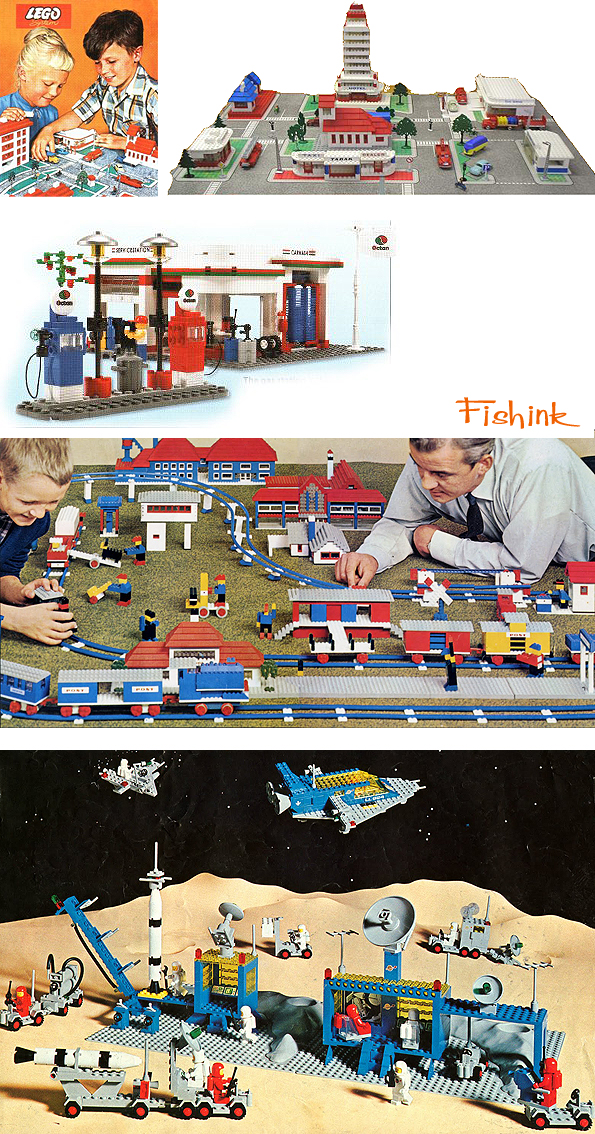
Nowdays people are going a little crazy and building all kinds of things from cars, recreations of Royal Weddings to whatever the latest film craze seems to be.

Batman, Starwars, Harry Potter, Lord of the Rings, Legends of Chima.

If you can excuse the swearing and like Starwars and Eddie Izzard then I still think his’ Deathstar canteen sketch’ is one of the funniest things around.

According to Geekologie, These images above is a 150,000-piece Lego recreation of the Battle of Helm’s Deep from Lord of the Rings. It was built by Rich-K & Big J and contains over 1,700 minifigs ! I think some people have waaaay too much time on their hands : )
Back in 2008 a German artist, Jan Vormann and his friends scoured Bocchignano, near Rome, for walls that had fallen into disrepair, and set to work rebuilding them with the brightly coloured building blocks.

To his surprise, the 25-year-old found that the children’s toy bricks were well suited to the job. “At first I thought it would be a complicated procedure to fit the pieces,” he said.”But as it turned out, the bigger plastic pieces were compatible with the smaller ones, and the Lego held itself in place without any glue whatsoever.” This started a global craze for filling in the cracks with lego and Jan started a site called Dispatchwork where if you add to a cityscape, you can send him some images and he will add them to the world map, and credit you. Now off to headquarters….
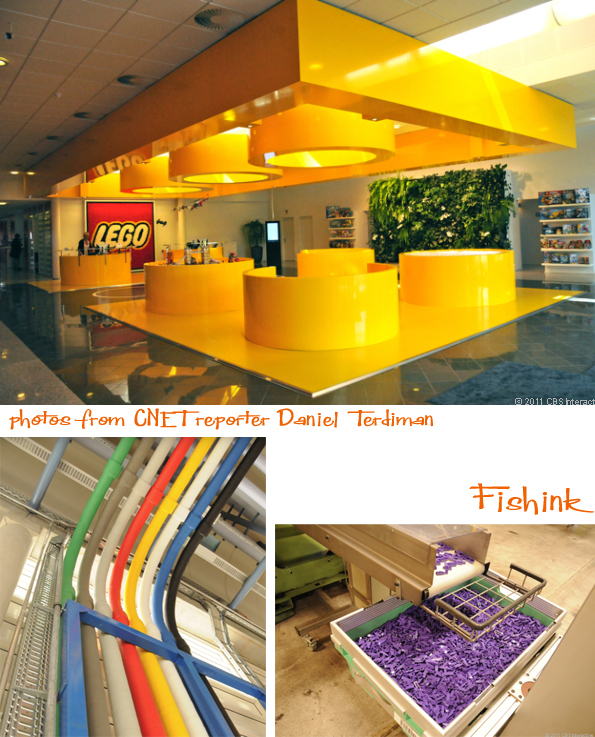
For the more techie amongst you, and yes I do know you’re out there, there is a wonderful article by CNET reporter Daniel Terdiman where you can see more about how the pieces are actually manufactured, in the factory in Denmark. It must be like the Lego version of Willy Wonka’s Chocolate Factory !
Of course don’t forget to visit Legoland for that true legofan experience of being surrounded by billions of cleverly constructed plastic bricks.
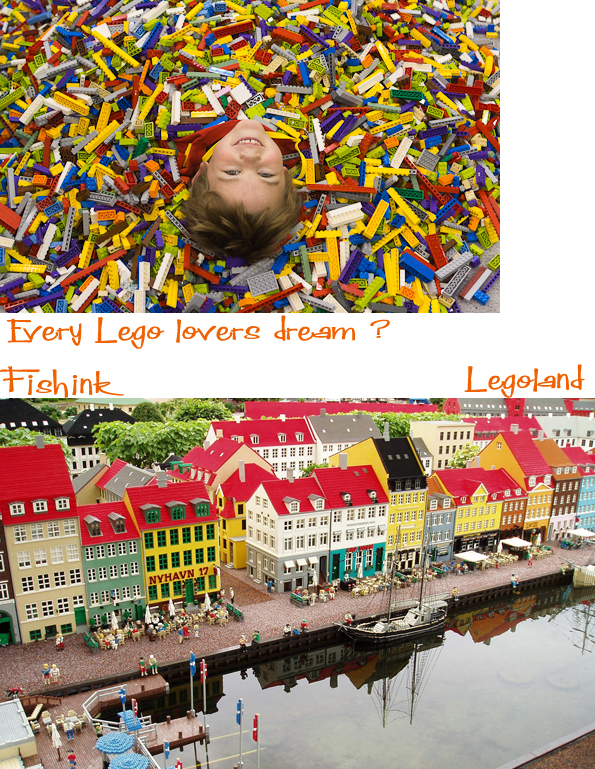
Many thanks to Wikipedia, Codex99, CNet and Lego.com for some of the images and info for this post and for the world’s biggest Lego Model check this out.

Rob Hodgson Bristol Illustrator
Rob Hodgson is a freelance illustrator currently living in Bristol, England.


Born in the seaside town of Torquay, he spent his winters enjoying the surrounding woods and spending his time drawing and making films. Perhaps that’s where he dreamt up some of these scary creatures.

A tribute to The Wicker Man reveals not only a wonderful inky, scratchy and patterned figure but a great burning fire too.

Like me, some of his inspirations include 20th Century European painters, folk music, JD Salinger, and Franco-Beligan comics, he currently works as an in house designer for Urban Graphic.
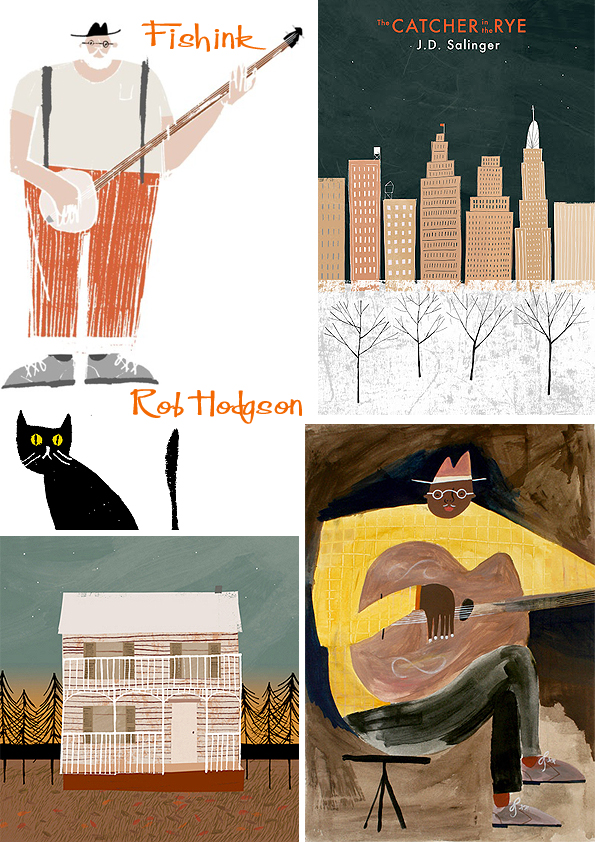

In 2011 Rob won an AOI Gold award for his work and you can find it stocked up and down the country in the Tate, V&A, John Lewis.
I approached him and asked him some questions for the FISHINK readers.
How did you come to be an illustrator, where did you train and what are your key inspirational artists.
Children’s Vintage Book Covers
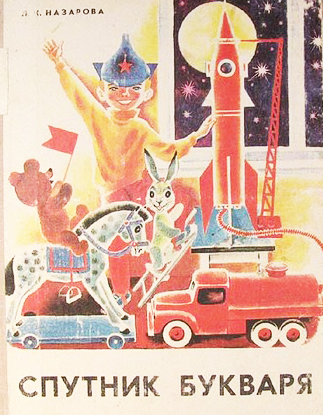
I’ve been sifting through some more vintage book covers to assemble another great selection for you.

It’s fascinating to see just how much the format and notion of ‘what makes a good cover’ varies.

Travel themes seem to crop up over and over again, and I somehow feel that the authors writing ‘Eggs Of Things’ struggled with their title somewhat !

A wonderful array of colours, shapes and textures.

Off to distant lands and chicken’s on bicycles, just can’t be beaten lol

A bit of space thrown in for good measure ! The Mrs Pickerell Goes To Mars cover made me smile as that was the name of my art teacher at school.

I wonder if the inside of The Shape of Towns book was as colourful as it’s exterior ?
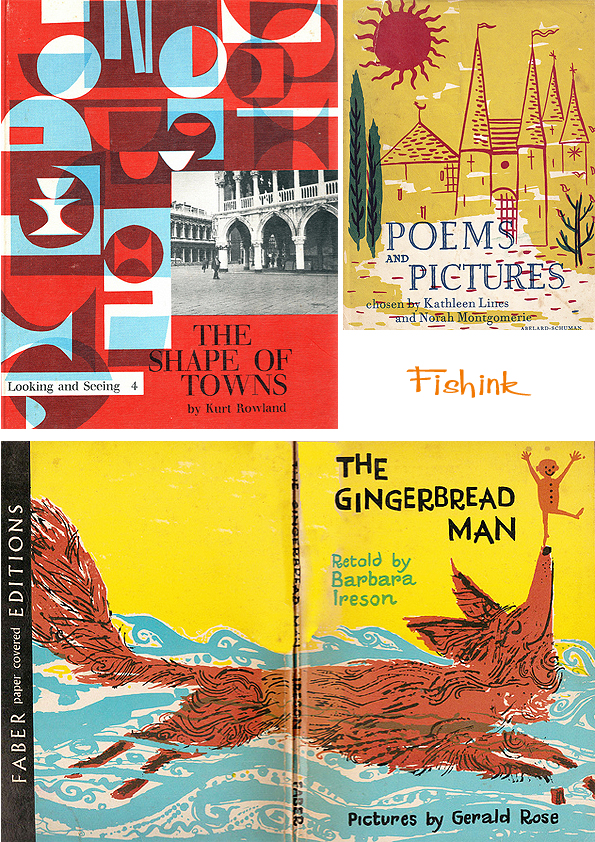
I particularly like the ‘stitchery’ on the Robert Louis Stevenson cover. Hope these made you smile and stirred some old memories too.

If you did enjoy looking through these try typing the words Vintage Children’s Books into the search function on my blog and you’ll find a few more similar posts.
Norman Parkinson . Style in Fashion Photography

Norman Parkinson was born Ronald William Parkinson Smith was born in 1913 in London. He began his career in 1931 as an apprentice to the court photographers, Speaight and Sons Ltd. He was renowned for capturing the times that he was shooting in, and that covered almost a 60 year time period. These black and whites are absolute classics.
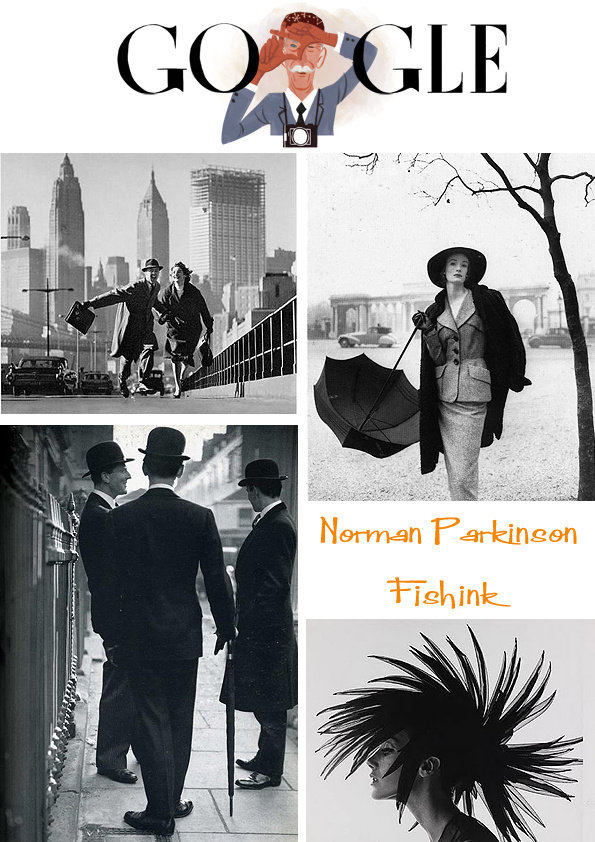
In 1934 he opened his own studio together with Norman Kibblewhite, in London’s Piccadilly.From 1935 to 1940 he worked for Harper’s Bazaar and Bystander magazines. During the Second World War he served as a reconnaissance photographer over France for the Royal Air Force. From his early days as a photographer up to his death he remained one of the foremost British portrait and fashion photographers. His work, following the lead of Martin Munkacsi at Harper’s Bazaar, revolutionised the world of British fashion photography in the ’40s by bringing his models from the rigid studio environment into a far more dynamic outdoor setting.

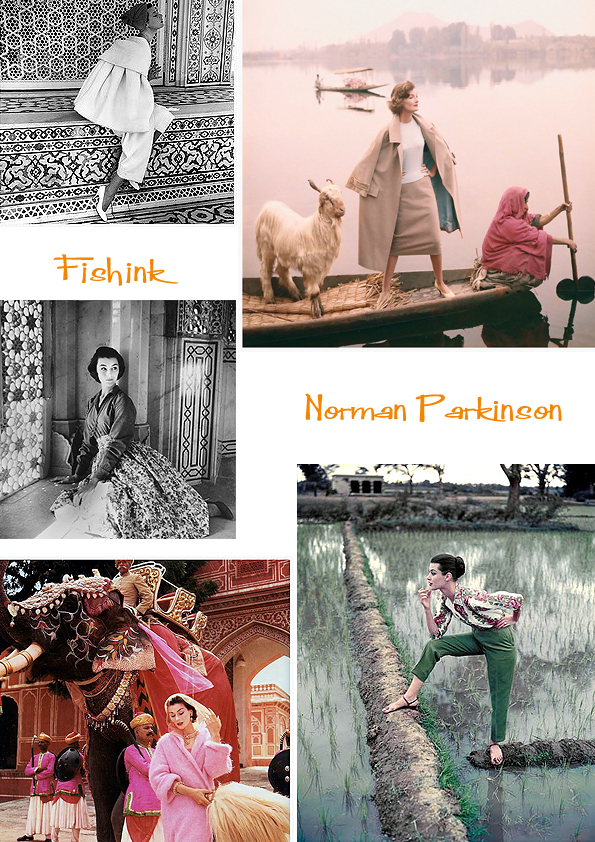
I love his eye for detail and colour here. He was such a perfectionist when it came to composing the shot, he knew precisely what he wanted and even dissuaded the model from thinking for herself. He would place them exactly where he wanted in order to create the picture in his mind. Such beautiful observations
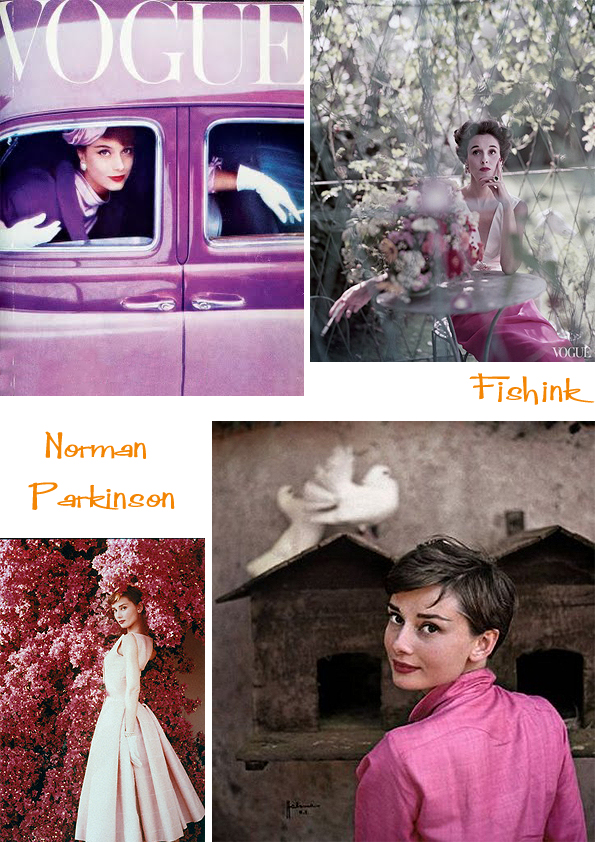

In 1947 he married the actress and model Wenda Rogerson, who often appeared in his work. From 1945 to 1960 he was employed as a portrait and fashion photographer for Vogue. As well as magazine work he also created celebrated calendars featuring glamorous young women. Also when the royal photographer, Cecil Beaton, died in 1975, Parkinson took over.

He expected his models to be brave and courageous in their part too.

Of course he photographed the celebrity element of the time. Even showing Brian Ferry an image of Jerry Hall which clinched the decision for him to want her on the cover of his ‘Siren’ album and to subsequently offer her an engagement ring.
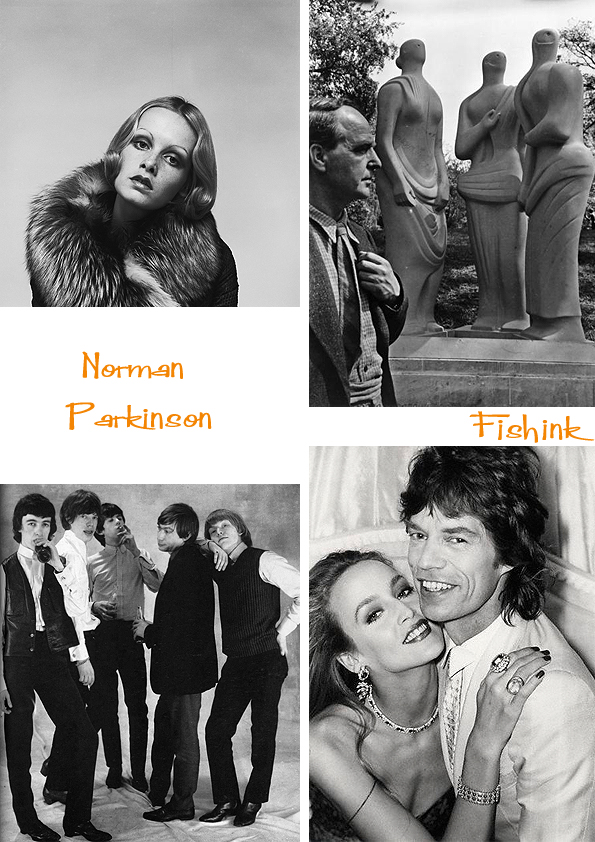
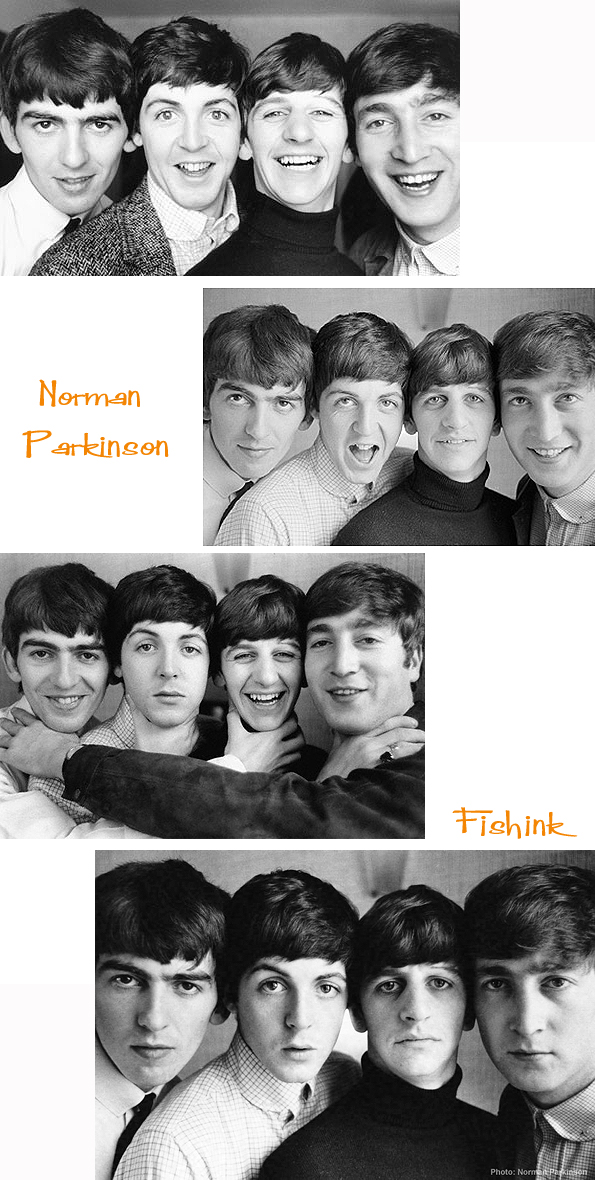
A few more famous faces.
He shot all over the world and even went out of his way to discover new locations that hadn’t previously been seen.
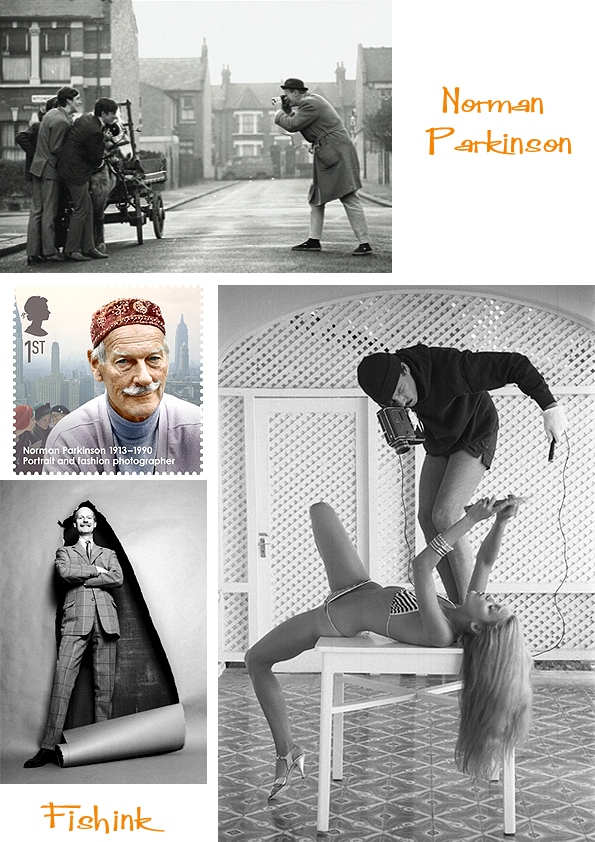
He knew how to get his shot and wasn’t shy of appearing before the lens himself. From 1960 to 1964 he was an Associate Contributing Editor of Queen magazine. In 1963 he moved to Tobago, although frequently returned to London, and from 1964 until his death he worked as a freelance photographer. The National Portrait Gallery remarked that he is one of the few photographers who’s work has been in constant demand, over such a long period of their career (nearly 60 years). Proving how much Norman had a feel for not only the times but also what his public wanted. He wrote in his autobiography “My aim was to take moving pictures with a still camera”. Parkinson took his models outside the confines of the studio and photographed them as real women in real life situations “If ever I took memorable pictures….it would have been because I insisted on seeing the clothes live, walked in, whirled and twirled in. “ A truly talented gentleman.
There are currently two exhibitions of Parkinson’s work one at the National Theatre until the 27th May and another exhibition on until the 12th May in Bath.
Manchester and Tracey Thorn.
I’ve been spending a little time in Manchester City centre of late with various meetings and this and that.
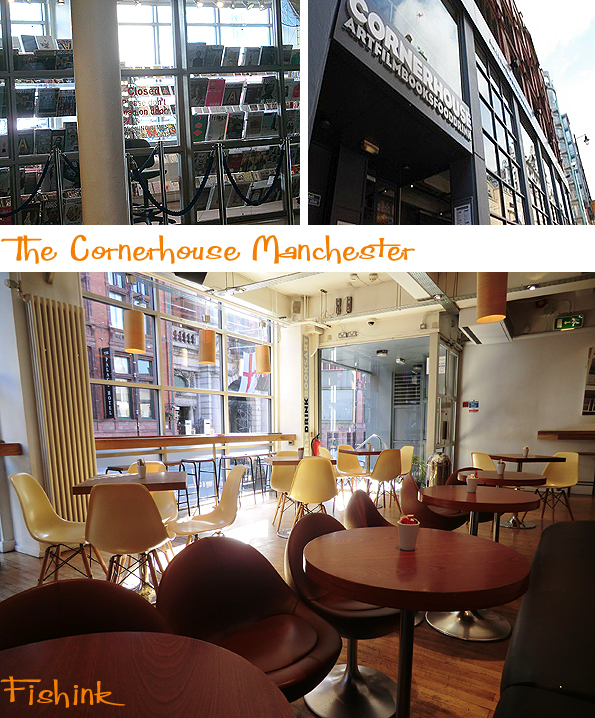
I was lucky to get a range of my Fishink Cards and Notebooks into the shop in the Cornerhouse so now you can purchase them in Manchester too !
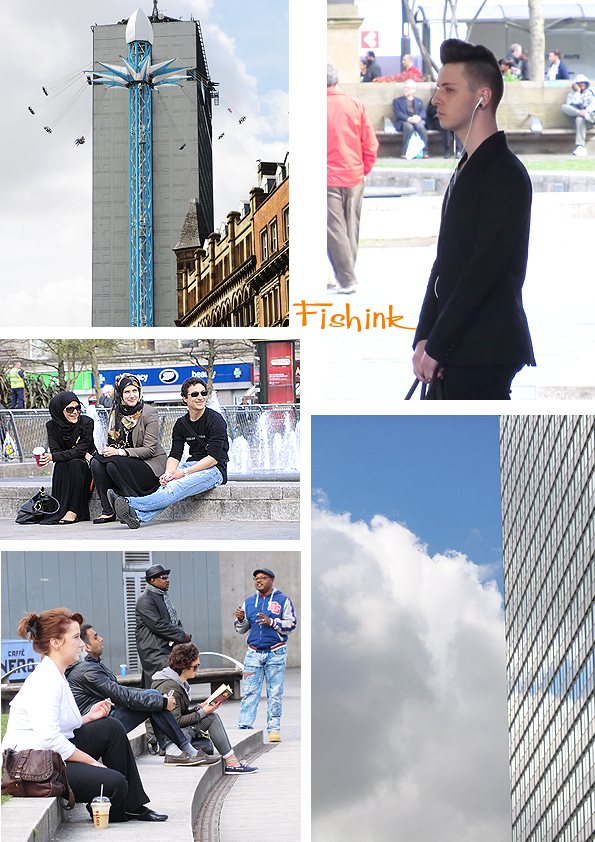
There were some people exploring the highlife, some trendy types and some just soaking up the sunshine.
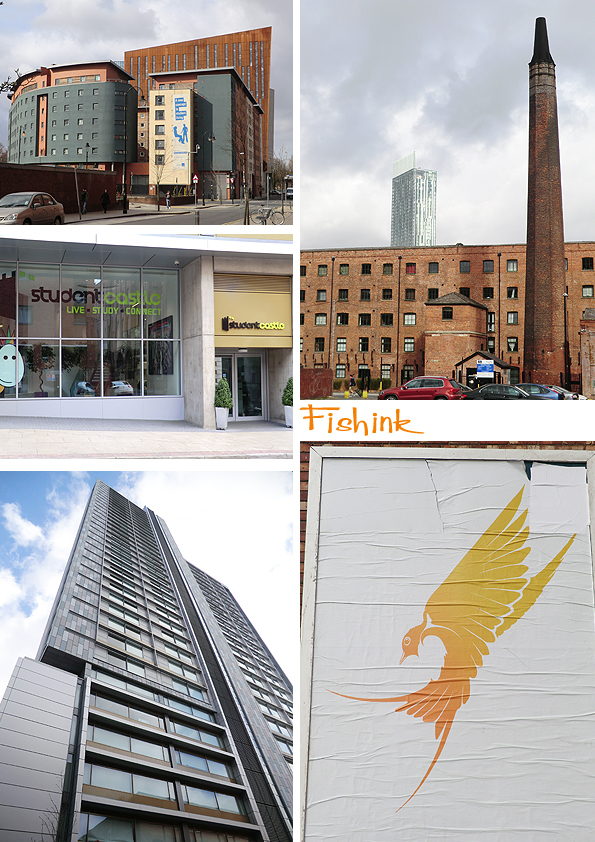
The more recent university buildings are impressive in their rusted textures, shapes and acute angles. Here where the old meets the new and Student Castle, a huge towering accommodation block with 48 ensuite bedrooms, each with a double bed, internet connection, a shared fitted kitchen and a lounge provided with a leather sofa/flat screen TV ! A bit different to my memories of being a student lol
More interesting graffiti on the streets of Manchester.
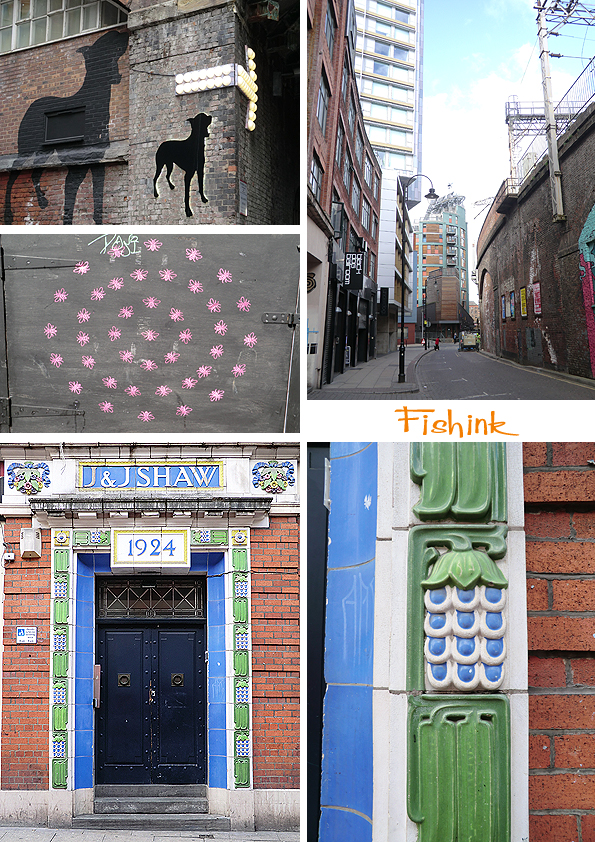
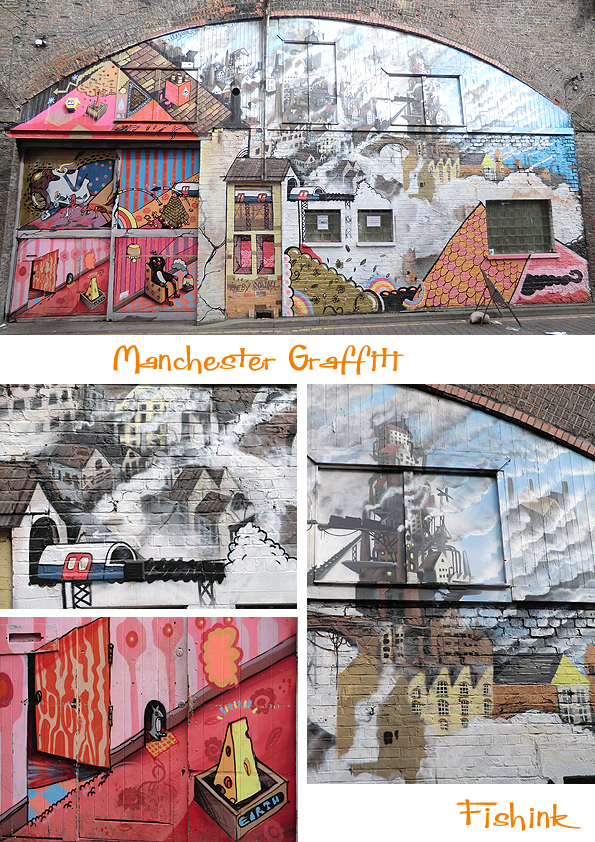

This flowering cherry tree certainly added a wash of colour to this sunny scene on Tib Street.

Thurdays evening I was lucky to meet with another of my teenage hero’s, namely Tracey Thorn, one half of the group Everything But The Girl who was touring with her new book called “Bedsit Disco Queen – How I grew up and tried to be a Popstar’. The band adopted the name Everything but the Girl from the slogan of the well-known shop in Hull called Turner’s Furniture.
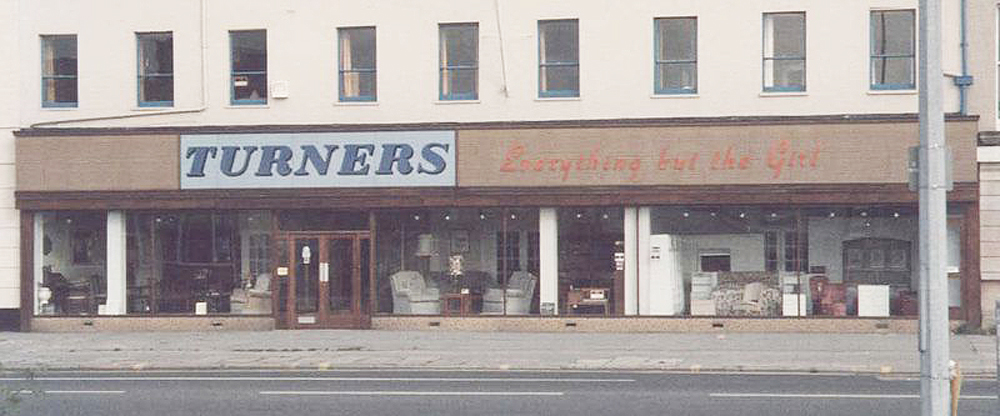
Photo by Nick Cooper (1985)
The store had originally built a window sign, that read, “for your bedroom needs, we sell everything but the girl”, the last part of which was later added to the shop’s main signage. It was such a refreshing evening as Tracey is very honest and down to earth in her recollections of the music industry.

In Tracey’s words: ‘I was only sixteen when I bought an electric guitar and joined a band. A year later, I formed an all-girl band called the Marine Girls and played gigs, and signed to an indie label, and started releasing records. Then, for eighteen years, between 1982 and 2000, I was one half of the group Everything But the Girl. In that time, we released nine albums and sold nine million records. We went on countless tours, had hit singles and flop singles, were reviewed and interviewed to within an inch of our lives. I’ve been in the charts, out of them, back in. I’ve seen myself described as an indie darling, a middle-of-the-road nobody and a disco diva. I haven’t always fitted in, you see, and that’s made me face up to the realities of a pop career – there are thrills and wonders to be experienced, yes, but also moments of doubt, mistakes, violent lifestyle changes from luxury to squalor and back again, sometimes within minutes.’
Dave Haslam was conducting the question and answer session and then the audience got the chance to ask her questions directly before she ended by signing books and keepsakes. I had always been a big fan of her music but particularly the album “Eden” which was released back in 1984, so I asked her to sign that. We also bought a copy of the book so I will look forward to discovering more in the weeks to come. Thanks for a great evening Tracey.

If you’ve not heard this epic album, be sure to grab yourself a copy. A wonderful light pop – jazz indulgence.
Andrew Ludick Colourful Ceramics

Andrew Ludick trained initially as an illustrator at Columbus College of Art before focusing on ceramics. Originally from the USA, Andrew moved to Ireland about 13 years ago.
He says ” I first worked with clay in college, at the time I was studying illustration and couldn’t take as many ceramics classes as I wanted to so it had always been in the back of my mind as something I would eventually get into. After I came to Ireland I slowly made a change from painting and drawing to working with clay. Because my wife is a potter it was a real easy changeover, all the materials and equipment were readily available.” He has developed a wonderfully distinctive style.
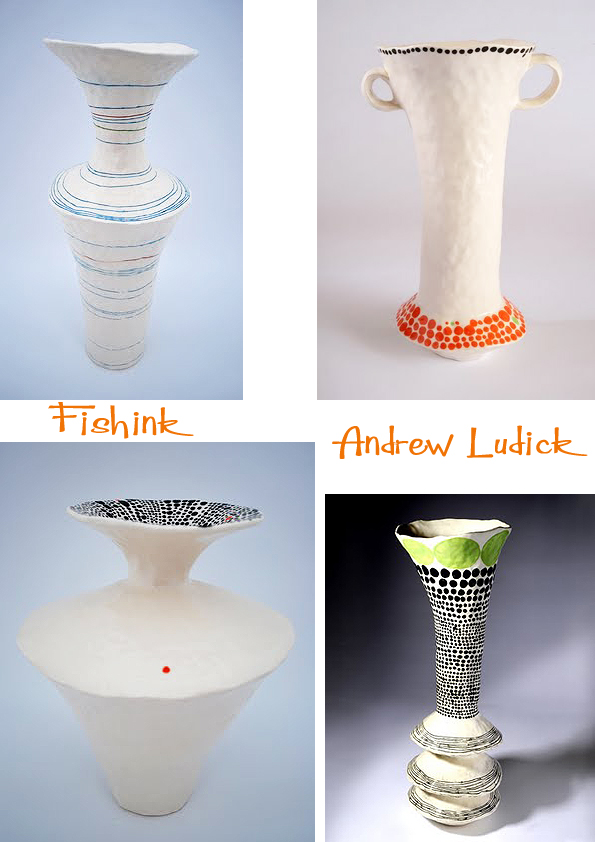

His work is inspired by a variety of artists and media, notably the paintings of Paul Klee and the music of Lester Young and Thelonious Monk. Ludick also cites Native American and African art forms as key influences.


Ludick’s approach to making is both intuitive and organic. He uses white earthenware clay, letting his pieces naturally evolve through the processes of coil building and pinching. Allowing the material to dictate, he embraces the meditative aspect of the work, so that a natural progression takes place from clay to vessel. After firing, he treats the newly crafted form as a blank canvas to be decorated with colourful shapes and patterns. The finished piece is covered in a clear transparent glaze, deepening the colours and sealing the clay so that the vessel can be used for functional purposes containing food or drink.

Strangely with a post called Fishink, I don’t know what first caught my eye about Andrew’s work lol.
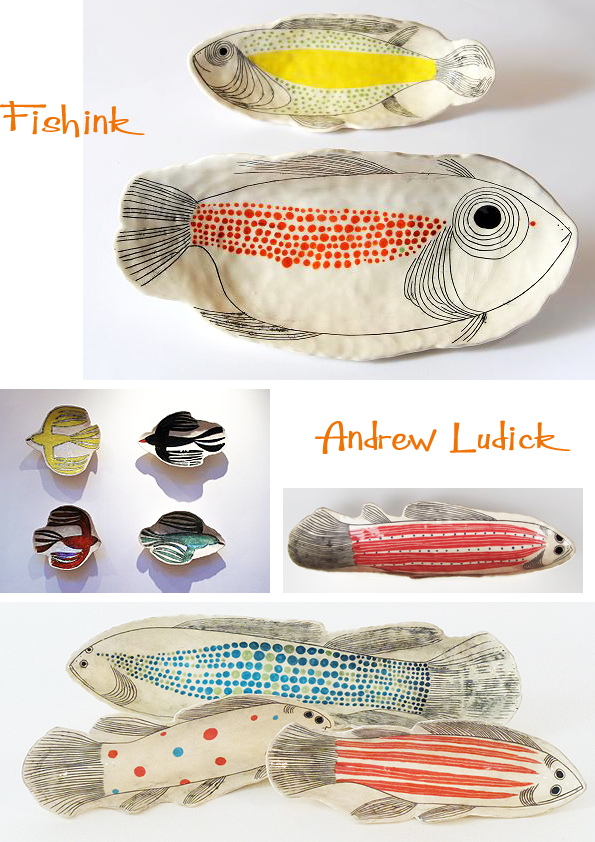
Sharing his studio with fellow potter and wife Rosemarie Durr in Castlecomer, Co. Kilkenny. The retail space which sits alongside the studio, stocks their own work in addition to a selection of homewares and gift ideas.

Thanks to the Irish Design Shop and Irish Craft Portfolio for a few images and comments taken from their sites. More info and images here on Andrew’s blog.
Kveta Pacovska . An Illustrator from Prague
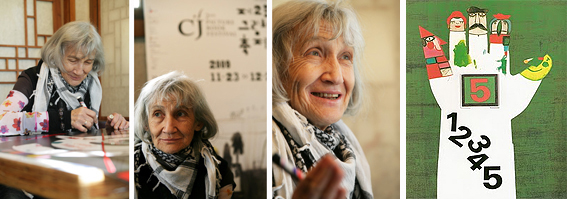
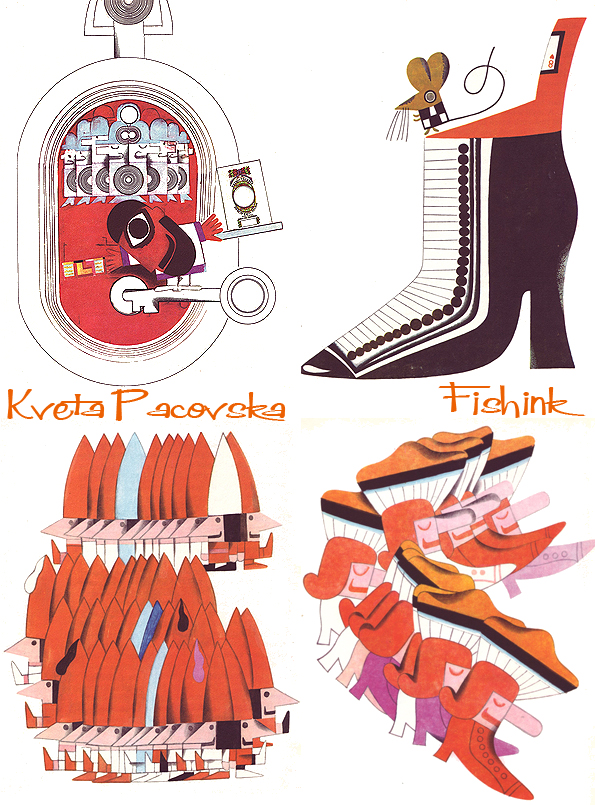
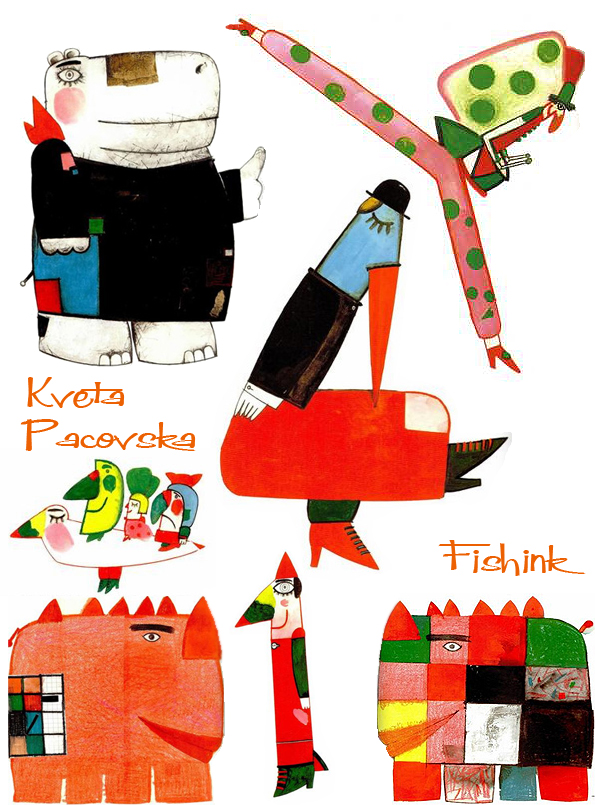
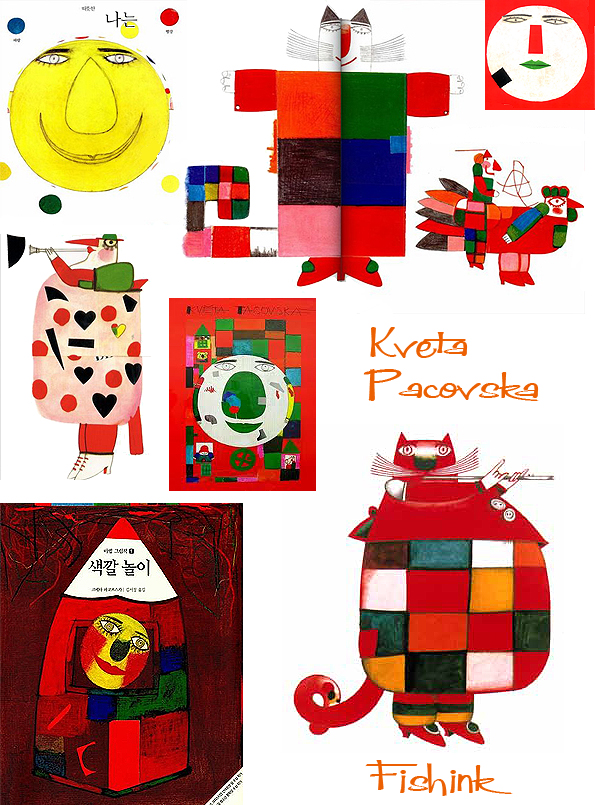
Kvĕta Pacovská (born July 28, 1928) is an 84 year old artist and illustrator. She majored in Graphic Art in the Prague School of Applied Arts and mainly worked in graphics, conceptual art and artist book fields. She won the biennial, international Hans Christian Andersen Award for Illustration in 1992, recognizing her “lasting contribution to children’s literature”. Her picture books still captivate children’s minds of all over the world with fantastic color combining, geometrical composition and unique stereoscopic beauty.
She was famous as a graphic designer and has had more than 50 exhibitions since 1961 when she started drawing picture books for her own children. As a mother, she worked with a great zeal to show her children her work and for the last 50 years, she wrote approximately 50 picture books. It was Kveta’s love and responsibility for helping her children’s future, and her memories and respect for her own grandmother (who gave her an initial interest in picture books), that formed two of the driving forces creating a desire for Kveta to illustrate her own picture book world.
Kveta says “In great music, there is original rhythm. That music is in a harmony that any other music cannot copy. The music with a beautiful and harmonious melody, is pleasant for even children and old people and it’s the same with my pictures. I don’t want to draw a picture book just repeating the same patterns.” She said that whenever she started new work, she tried to always make it feel like it was her biggest idea. Her philosophy is that the most important thing for the picture book is a love for the children. Without thinking and feeling for the child audience , the imagery would be lifeless and the picture books themselves…dead. As a Graphic designer she has lectured in the Academy in Berlin from 1992 to 1993 and in 1999, and received an honorary doctor’s degree of design from Kingston University, England.
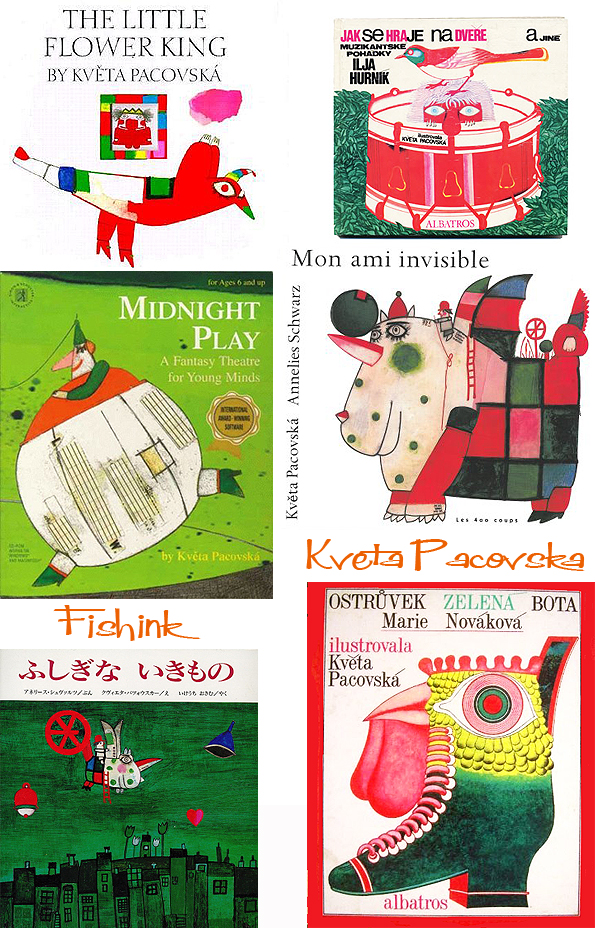
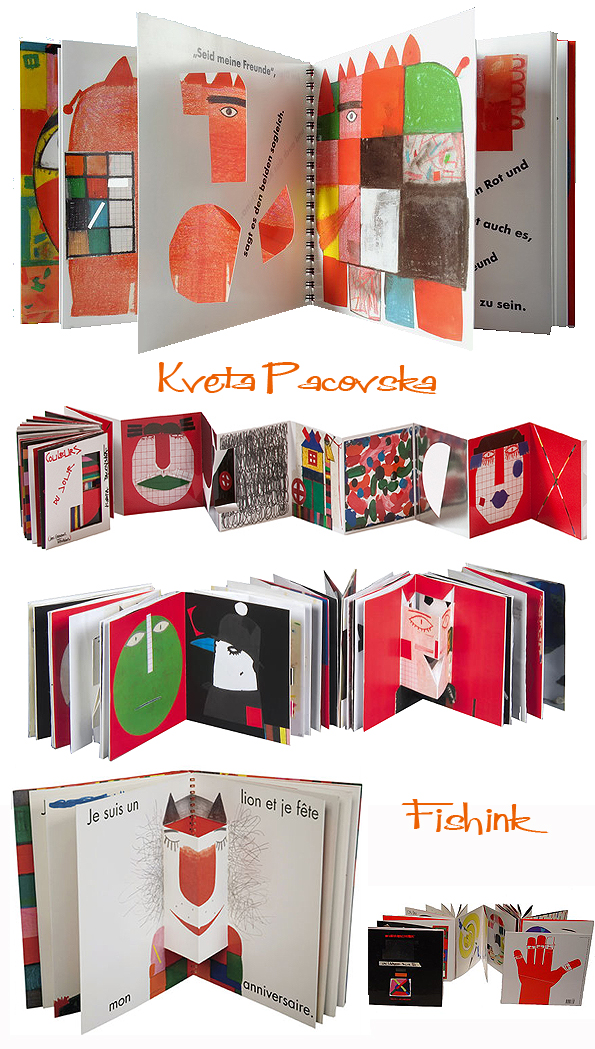
Her works surpassed the limitation of paper book and ascertained the possibility of picture book as a 3-dimensional artistic object. She achieved recognition and was awarded the Deutsche Ugendliteraturpreis in 1991, The Hans Christian Andersen Awards in 1992 and Johann Gutenberg award, the most honorable prize for book designers, in 1997.
The work, which made her become world-famous, is an experimental book design (as below) that she has been doing since 1950’s. Her book form is beyond the limit of a fixed book and print production. It suggests a new possibility of the book as an object which is three-dimensional and stimulates the senses. These books induce the instinct for play by using interesting materials such as Aluminum and tracing paper. These experimental books give children lots of possibilities to develop their imaginations and encourage their own creativity.
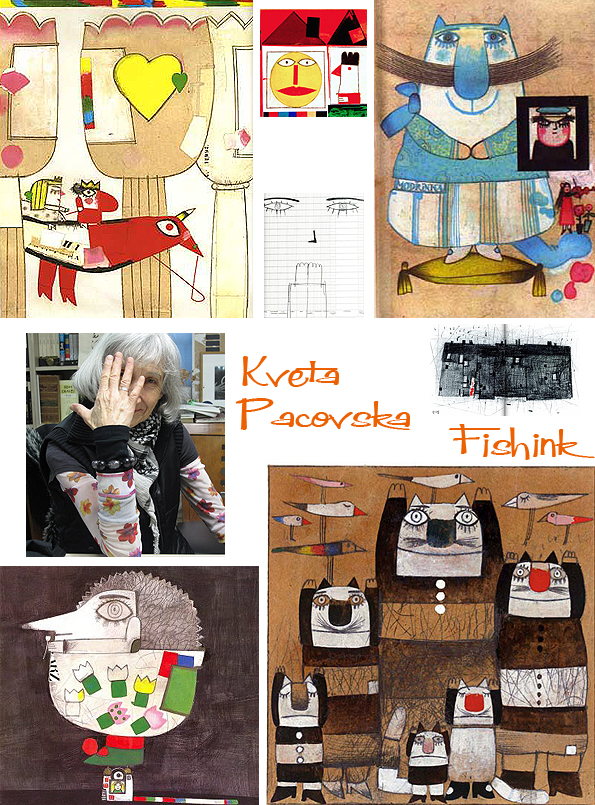
She strikes me as the funkiest 85 year old I’ve seen for a long time. Superb work Kveta.
Cybele Young . Paper Sculpture Artist
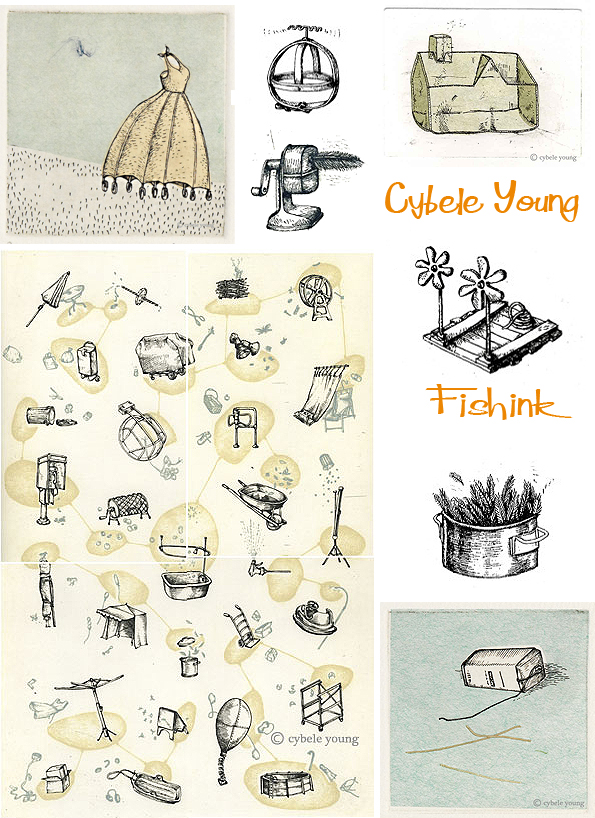
Cybele Young is an artist who after studying Sculpture and Printmaking at the Ontario College of Art and Design, has taken Japanese Washi papers to new limits.
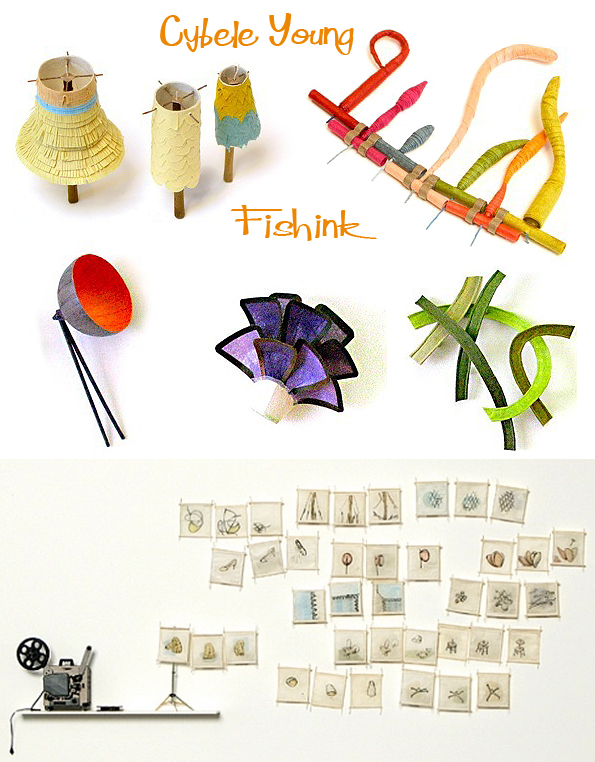
Washi, she says, is “strong and sensitive, beautiful and subtle, challenging and patient, understanding and inspiring, honest and loyal – a soulmate you can crumple into a ball.”
Cybele finds herself inspired by mundane everyday situations which spring into life through her delicate sculptural creations.
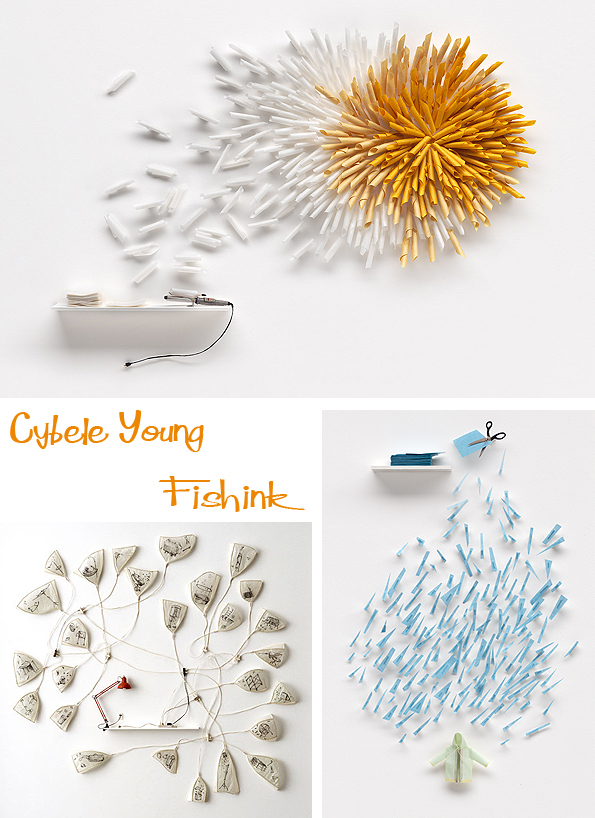
Her individual pieces get combined into new ‘communities’ which are placed together to interact and make fresh relationships, not unlike how seemingly insignificant moments in our day can come together to form unexpected outcomes.

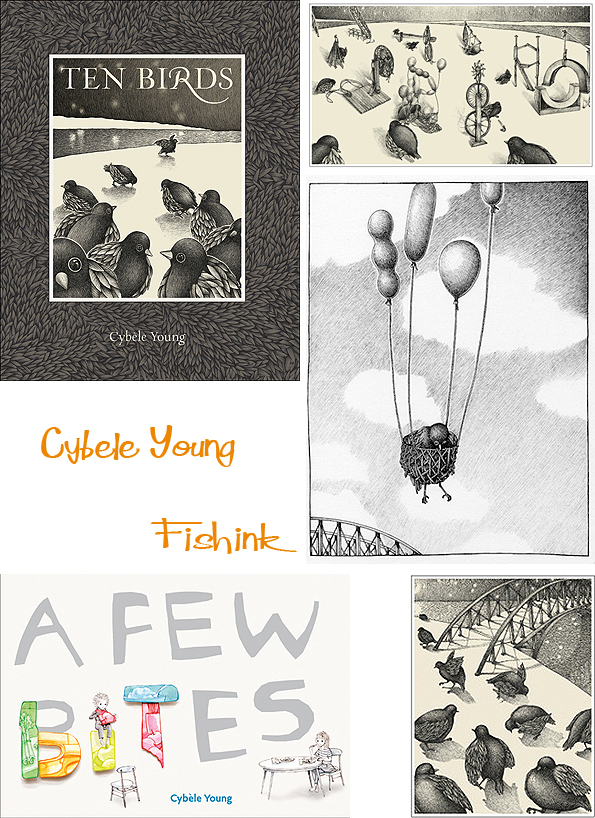
Two years ago Cybele won the Governor General’s Award for Children’s Illustration for her book ‘Ten Birds’.
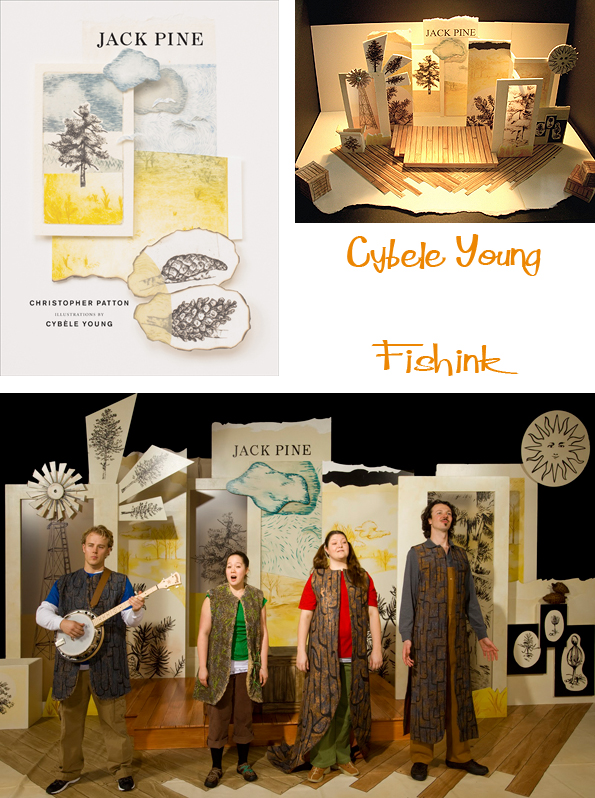
She also illustrated ‘Jack Pine’ , the picture book by Christopher Patton, upon which a children’s opera was written.
We can marvel at the detail and intricacy in her work and I love her small video moments of the pieces moving about seemingly of their own accord. This one is called ‘Fated Compositions’ because each sculpture ends it’s 3-D life by going through a press.
and here are few more of her films, some etchings and some final Japanese Washi pieces.


 fishinkblog.com